Crime & Safety
'A Lot Of People Are Going To Understand:' How Economic Grievance, Tech-lash Erupted In Violence In CA
There have been attacks on an AI CEO's home, shootings and warehouse blazes over the last few weeks.


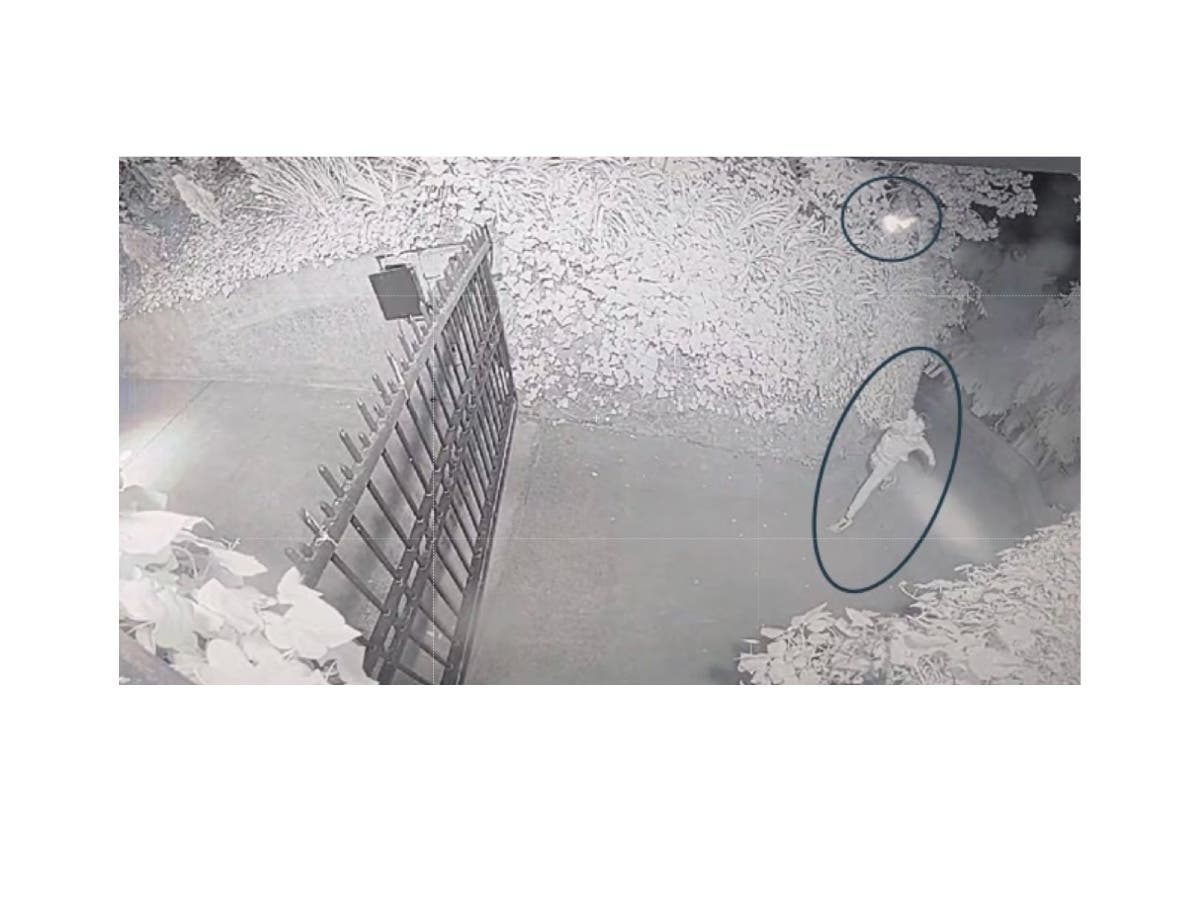
A man quickly slides back his thumb, igniting the spark of the lighter. Within minutes, the massive Kimberly-Clark warehouse goes up in flames, causing $650 million in losses.
The arson fire this month at the 1.2 million-square-foot warehouse in Southern California took mere moments to start.
According to prosecutors, it was ignited and filmed by 29-year-old warehouse worker Chamel Abdulkarim, who saw himself sparking an anti-capitalist backlash and compared himself to Luigi Mangioni, the accused murderer of United Healthcare CEO Brian Thompson.
"All you had to do was pay us enough to live," a man police identified as Abdulkarim is heard saying as he filmed himself burning up inventory inside the warehouse on April 7.
Find out what's happening in Across Californiafor free with the latest updates from Patch.
“There goes your inventory. Should have paid us more...I just cost these [expletive] billions... All you had to do was pay us enough to live. Pay us more of the value we bring. Not corporate. Didn’t see the shareholders picking up a shift. A lot of people are going to understand."
Within minutes, police arrested Abdulkarim, who was waiting to be cuffed. He was charged with aggravated arson, a special allegation of causing more than $10 million in damages, and six counts of arson — one for every pallet he is accused of setting on fire.
Find out what's happening in Across Californiafor free with the latest updates from Patch.
The blaze was just one of several attacks across the Golden State this month and across the United States in recent weeks linked to anti-capitalist and anti-tech sentiments.
Thomas Zeitzoff, a professor at American University's School of Public Affairs, told Patch there is a growing backlash in the country against the wealthy elites, particularly related to tech.
"There is a deep unease and growing skepticism about the tech industry in the US about how much power they have and how much political influence they have, especially AI," Zeitzoff said. "There are a lot of potential drivers for this kind of thing."
Both the right-wing and left-wing may take these opportunities to politicize movements, but the data doesn't support that any one side is tied to recent attacks.
Zeitzoff says while people should tread carefully when ascribing motivations to suspects in these cases, he thinks there could be three trends happening: the anti-wealth movement, which has been around for a long time, the new anti-technology sentiment and the online memeifcation of people such as Mangione, making him look like a folk hero of sorts.
A few days after the warehouse fire, another would-be arsonist garnered headlines when he tried to firebomb the San Francisco home of OpenAI CEO Sam Altman, according to authorities.
Texas resident Daniel Moreno-Gama, 20, is accused of writing a manifesto where he described his plan to kill Altman and listed the names of other potential AI leaders he wanted to target.
According to interviews and the manifesto, Moreno-Gama saw himself as part of a movement, someone whose actions would inspire others.
He drove from Texas to San Francisco, where he hurled a Molotov cocktail at Altman’s home, setting an exterior gate aflame, authorities said.
According to the San Francisco Police Department, he was arrested an hour later at the OpenAI headquarters after threatening to burn down the building.
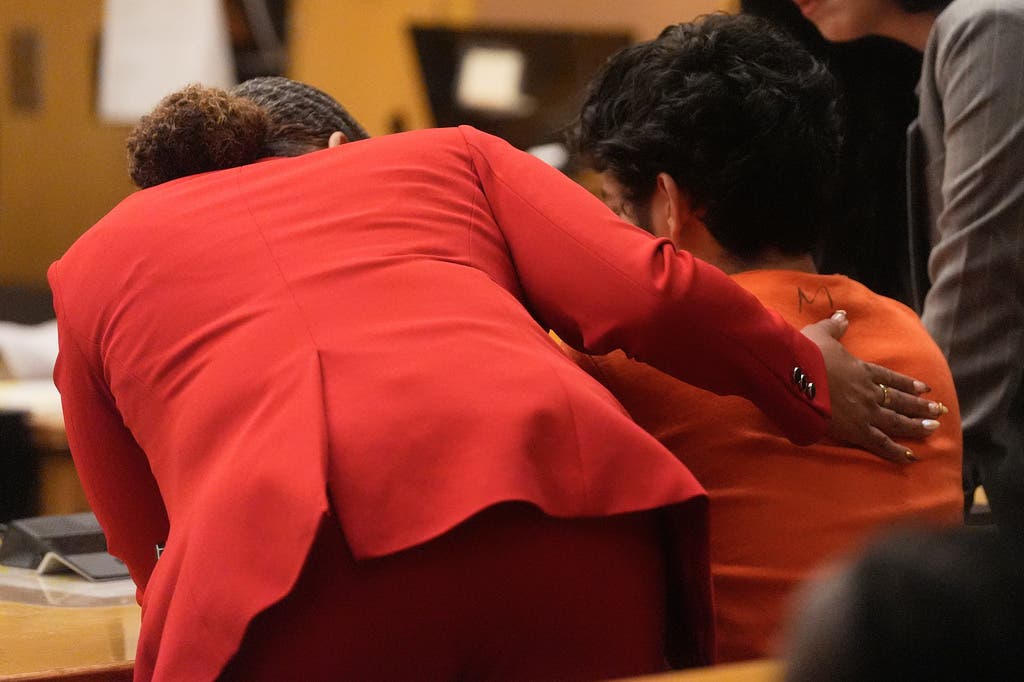
"If I am going to advocate for others to kill and commit crimes, then I must lead by example and show that I am full sincere in my message," he wrote in his manifesto, according to the FBI, which said the 20-year-old was driven by anti-AI sentiments.
Within hours of the attack on his home, Altman posted a blog addressing the firebombing.
He opened with a picture of himself and his toddler son “to dissuade the next person from throwing a Molotov cocktail at our house, no matter what they think about me.”
Then he acknowledged the fear that prompted the attack.
"AI will be the most powerful tool for expanding human capability and potential that anyone has ever seen. Demand for this tool will be essentially uncapped, and people will do incredible things with it. The world deserves huge amounts of AI and we must figure out how to make it happen,” he wrote. “It will not all go well. The fear and anxiety about AI is justified; we are in the process of witnessing the largest change to society in a long time, and perhaps ever. We have to get safety right, which is not just about aligning a model—we urgently need a society-wide response to be resilient to new threats.”
Such language can capture the attention of actors fed up with the status quo and the elites, who are intent on taking matters into their own hands, said Zeitzoff.
"The rhetoric of the CEOs themselves is that they're going to revolutionize the world and have also said that their tech is a massive threat," Zeitzoff said. "I think it's unfortunate but not surprising to see more actors start to target those folks."
The AI backlash or techlash, as it's sometimes called, has been building for years, Alondra Nelson, who led the Biden administration’s Office of Science and Technology Policy, told Rolling Stone.
“The negative sentiment around AI has been growing steadily, and what’s changed is that the public has developed both the vocabulary and the lived experience to name what’s bothering them,” Nelson said. “Energy costs, job displacement, discrimination, the concentration of power in a handful of companies, harm to our young people and a profound sense of a lack of agency and empowerment in the face of all of this.”
Both high-profile Golden State attacks coming so close together caught the attention of federal investigators, who said there has been a string of anti-tech, anti-capitalist attacks nationwide.
Just the day before the warehouse fire in Southern California, thirteen bullets were fired at the home of an Indianapolis councilmember on April 6. On his doorstep, a note read "No Data Centers."
The violence comes as skepticism of extreme wealth and unfettered AI expansion is showing up in city halls and ballots across the country.
This month, the Bay Area’s Oakley City Council enacted a ban on data centers, mirroring similar bans enacted in cities across the country. A town in Missouri recently voted out all incumbent city council members who approved a $6 billion data center deal. And in California, a ballot measure to tax the rich with a one-time tax on billionaires appears headed for the November ballot.
Zeitzoff said attacks such as the one against Altman are different than those like the Tesla or Data Center takedown movements.
Instead, it seems to be people taking matters into their own hands because they're fed up with the status quo and the elites, Zeitzoff said.
Regardless of their motivation or political ideologies, federal officials have vowed to make an example of suspects who seek to spread terror with high-profile bombings and arson.
Bill Essayli, the first Assistant United States Attorney for the Central District of California, said that in burning down a warehouse filled with retail products, Abdulkarim's actions are an attack on America's values.
"America is founded on capitalism," Essayli said. "Anyone who attacks our values, our way of life, our system, which provides goods and services to the most people, we're going to come after aggressively."
More California News:
- 'He Was A Hero': CA Father Drowns Trying To Save Son's Life
- As Snakebite Deaths Spike In CA, One Wrangler Is On A Mission To Save People...And Snakes
- Mysterious Deaths, Disappearances Of CA Scientists A 'Grave' National Security Concern: What To Know
- Grocery Store Sex Assaults Among 6 Attacks By Same Sex Offender In 1 Day: Police
- Mom Of Boy, 14, Who Critically Injured Vietnam Vet In E-Moto Hit And Run Charged: DA
- Cause of Death Revealed For Teen Found Dismembered In D4vd's Tesla
- World's Smallest Deer, Born At San Diego Zoo Safari Park
- Viral Video Shows 'Goofball' SMC K-9 Getting Head Stuck In Cone
- Deputy Loaned AR-15 Rifle, Ammo To High School Student: Sheriff
- Tornado Touches Down In CA, National Weather Service Confirms
Get more local news delivered straight to your inbox. Sign up for free Patch newsletters and alerts.