Community Corner
Installing a New Automatic Gate in San Francisco? Here's Why the Fire Department Requires a Knox
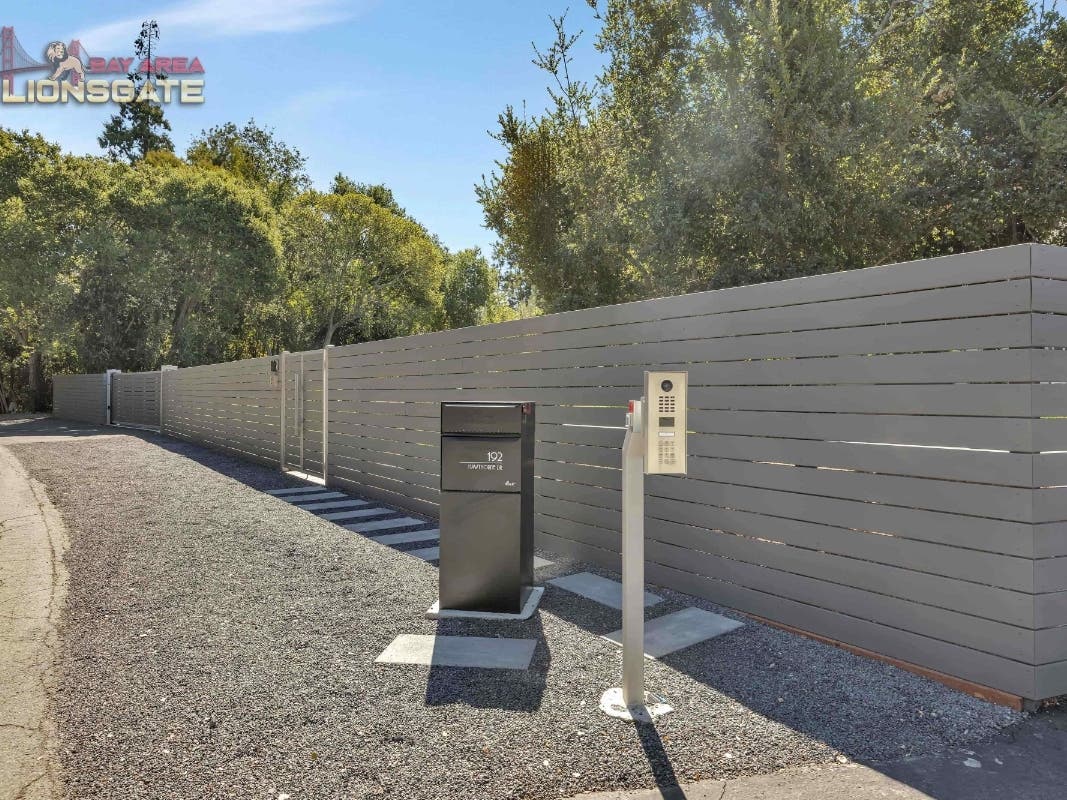
Automatic gates in San Francisco often require Knox access to meet fire code and ensure emergency responders can enter quickly.
This is a paid post contributed by a Patch Community Partner. The views expressed in this post are the author's own, and the information presented has not been verified by Patch
San Francisco loves its automatic gates. They line the driveways of Noe Valley, guard the courtyards of Pacific Heights, and seal off hillside lots in Twin Peaks. What many owners learn only at permit time is that the fire department has a say in how those gates open, and that say usually comes down to a small device from a company called Knox. Skip it, and your new gate may not pass inspection.
This article was prepared by the Patch San Francisco editorial team and draws on a recent first-person essay by an industry expert. In a Medium piece titled "The One Key to Your Gate I Never Get to Hold," gate contractor Tom Roash explains the one key on every job he is never allowed to touch. Tom Roash is Co-Founder and COO of Bay Area Lions Gate, a licensed gate and access control contractor serving the Peninsula area (Palo Alto, Mountain View, San Jose, Santa Clara County, and the wider Bay Area). He installs and wires these systems for a living, which makes his take worth translating for San Francisco property owners.
.jpeg)
Why Fire Departments Require Knox Access
The reasoning is blunt. A locked gate is a barrier, and when firefighters or paramedics respond to a call, that barrier stands between them and someone who needs help. They do not wait for it. They cut the chain, pry the frame, or break the operator to force their way through, and the damage runs into the thousands.
Knox is the alternative. A Knox Box is a small, tamper-resistant lockbox, and for an automatic gate the more common device is a Knox Key Switch wired straight into the gate operator. A responder turns the key, the gate opens, and nothing gets destroyed. Under the California Fire Code that San Francisco enforces, the fire code official is authorized to require a key box or gate key switch wherever secured access could slow a life-saving response. Roash's company published a detailed guide to Knox Boxes and key switches for automatic gates that walks through how each device is ordered, mounted, and wired, which is useful if you want the full technical picture before you permit a gate.
.jpg)
Who Holds the Knox Key
This is the part that surprises people. Not the homeowner. Not the contractor who installed the gate. The master key stays with the fire department, and nobody else.
The Knox Box is part of a national rapid-access system. As the background on the Knox Box system explains, it is a proprietary lockbox used by fire and emergency services across the country, opened only with a department-held master key. Every jurisdiction runs its own keying, and the device is tied to your exact address and responding agency. San Francisco has gone further with an electronic eKey system: the box opens only for authorized SFFD personnel, and the key requires a PIN before it releases, logging who opened it and when. That design is deliberate. It means no installer, no owner, and no stranger can ever pop the box.
A Gate Is More Than Emergency Access
Knox solves one problem. It is not the whole job. A legal automatic gate in California has to account for far more than letting firefighters in.
The big one is UL 325, the safety standard governing powered gate operators and entrapment protection. Photo eyes, safety edges, and a properly configured operator all have to work so the gate cannot close on a person, a pet, or a vehicle. Knox is the emergency-access layer. It does not replace any of that, and it does not override UL 325. A correct installation carries both at once: the everyday safety devices that protect the public, and the Knox device that protects responders on the rare day it matters.
The practical takeaway for San Francisco owners is simple. Ask your fire department about Knox before you build, order the genuine device against your jurisdiction, and make sure whoever wires it keeps your gate fully UL 325 compliant. Getting all of that right in one pass is exactly what professional automatic gate installation is for. Done correctly, the gate keeps the wrong people out without ever keeping the right people out.
This post is an advertorial piece contributed by a Patch Community Partner, a local brand partner. To learn more, click here.