Politics & Government
Guilford Selectmen Approve Continued Food Scrap Collection Service At Transfer Station
The Guilford Board of Selectmen met last week.


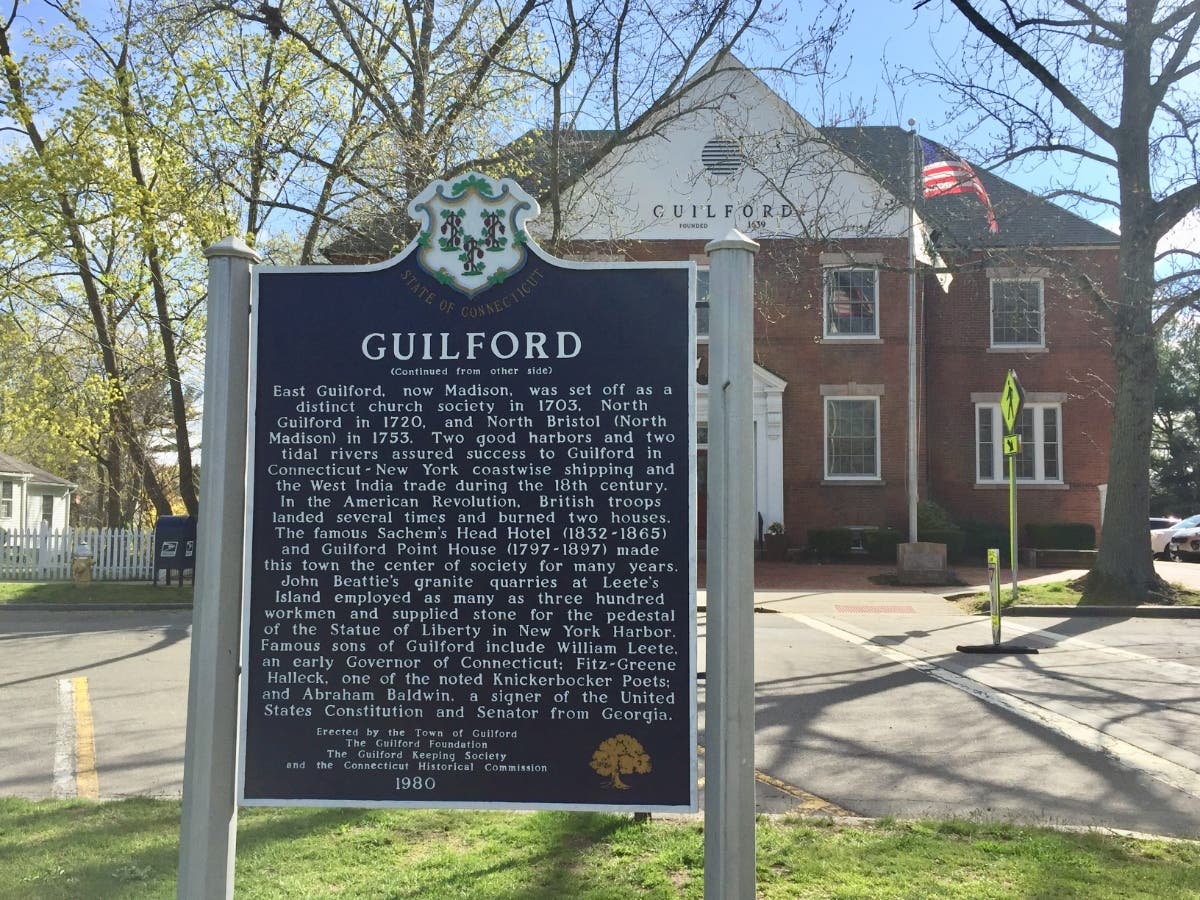
GUILFORD, CT — The Guilford Board of Selectmen voted unanimously July 20 to approve a new agreement with Blue Earth Compost to continue the town's food scrap collection program at the Madison-Guilford Waste Transfer Station.
The board approved the agreement in a 4-0 vote, with Selectman Louis Federici absent. Under the agreement, Blue Earth Compost will provide food scrap collection services for $828.25 per month.
According to meeting minutes, Town Engineer Janice Plaziak said food scraps collected through the program are transported to Quantum Biopower, an anaerobic digestion facility in Southington. There, the material is converted into methane gas used to generate electricity, while the remaining solids are processed into compost.
Find out what's happening in Guilfordfor free with the latest updates from Patch.
Plaziak said the town's food waste diversion program has reduced the amount of trash generated at the transfer station by allowing residents to separate food scraps from other waste. She said food scraps are heavy because of their moisture content, making them costly to dispose of as municipal solid waste and unsuitable for incineration.
Plaziak also noted that Guilford's current trash disposal contract expires next year. She said disposal costs have increased significantly and municipal solid waste tipping fees are expected to continue rising. According to Plaziak, unit-based pricing has substantially increased both food scrap diversion and single-stream recycling.
Find out what's happening in Guilfordfor free with the latest updates from Patch.
First Selectman Matthew Hoey said Connecticut has faced additional waste disposal challenges since the closure of the Materials Innovation and Recycling Authority processing facility, meeting minutes noted. He said much of the state's municipal waste is now transported to landfills in states including Pennsylvania and Ohio, increasing hauling costs.
Hoey said he and other municipal officials have been working with the Councils of Governments and the Connecticut Conference of Municipalities to encourage the state to address waste disposal challenges.
Get more local news delivered straight to your inbox. Sign up for free Patch newsletters and alerts.