Community Corner
The Neuroscience Behind Cannabis Addiction and Misuse
This article was written by Jeremy, Senior at Jonathan Law High School and MPC Intern.

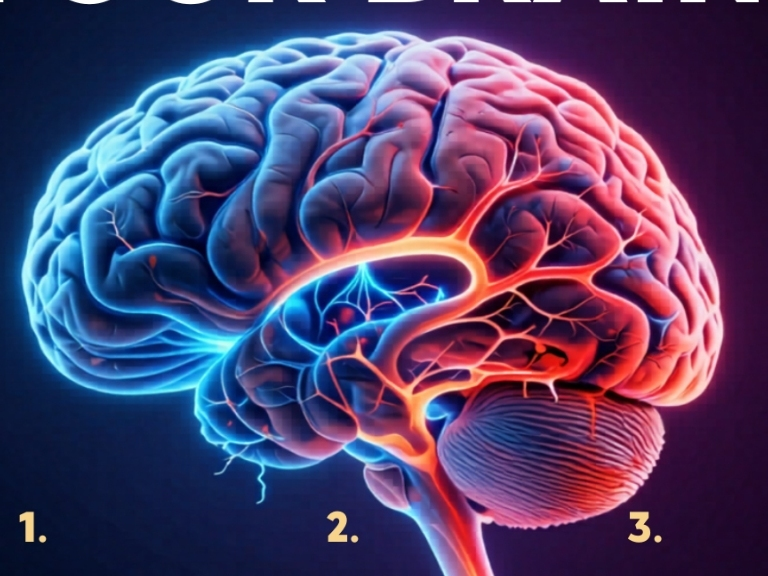
Cannabis is one of the most commonly used drugs in the United States, especially among teenagers and young adults. Many people believe cannabis is harmless, but research shows that regular misuse can affect the brain in serious ways. Scientists have spent years studying how cannabis changes brain activity, memory, emotions, and decision making. Understanding the neuroscience behind cannabis addiction can help people make healthier and safer choices.
The main chemical in cannabis that affects the brain is called THC, which stands for tetrahydrocannabinol. THC changes the way brain cells communicate with each other. It attaches to special receptors in the brain that are part of the body’s endocannabinoid system. This system helps control mood, memory, appetite, learning, and stress. When THC enters the brain, it can disrupt these normal functions.
Cannabis also affects the brain’s reward system. The reward system releases a chemical called dopamine, which creates feelings of pleasure and motivation. When someone repeatedly uses cannabis, the brain may begin to depend on those dopamine releases. Over time, the brain can become less sensitive to natural rewards like exercise, hobbies, or social activities. This can increase the risk of addiction and unhealthy habits.
Find out what's happening in Milfordfor free with the latest updates from Patch.
Teenagers are especially vulnerable to the effects of cannabis because their brains are still developing. The brain continues to grow and change until around age twenty five. Regular cannabis use during adolescence may affect attention, memory, learning, and emotional control. Studies have also shown that heavy cannabis use in teens can increase the risk of anxiety, depression, and other mental health challenges.
Another important part of the brain affected by cannabis is the prefrontal cortex. This area helps people make decisions, control impulses, and think about consequences. THC can interfere with these functions, making it harder for someone to focus or make safe choices. This is one reason why driving under the influence of cannabis can be dangerous.
Find out what's happening in Milfordfor free with the latest updates from Patch.
Some people may develop cannabis use disorder, which is a medical condition where a person struggles to stop using cannabis even when it causes problems in their life. Signs can include cravings, difficulty cutting back, loss of motivation, and problems at school, work, or home. Like other addictions, cannabis misuse can affect relationships, responsibilities, and overall mental health.
Scientists continue to study cannabis and its long term effects on the brain. While some cannabis based medications may help certain medical conditions when prescribed by doctors, misuse and frequent recreational use can still carry risks. It is important for young people and families to understand the difference between medical use and misuse.
Education and prevention play an important role in protecting mental health and brain development. Communities, schools, and families can help by encouraging honest conversations and sharing accurate information about substance use. By understanding how cannabis affects the brain, people can make informed decisions that support their health, safety, and future goals.
“Cannabis and Teens.” Centers for Disease Control and Prevention, U.S. Department of Health and Human Services, 27 Feb. 2024, https://www.cdc.gov/cannabis/health-effects/cannabis-and-teens.html
“Health Effects of Cannabis.” Centers for Disease Control and Prevention, U.S. Department of Health and Human Services, 16 Apr. 2024, https://www.cdc.gov/cannabis/health-effects/index.html
“How Cannabis Affects Brain Health.” Centers for Disease Control and Prevention, U.S. Department of Health and Human Services, 16 Apr. 2024, https://www.cdc.gov/cannabis/health-effects/brain-health.html