Neighbor News
GEO-Targeted Advertising with Mobile LED Trucks: How Route Strategy Impacts Results
Route planning isn't logistics, it's strategy. Discover how smarter GEO-targeting turns mobile LED ads into measurable results.

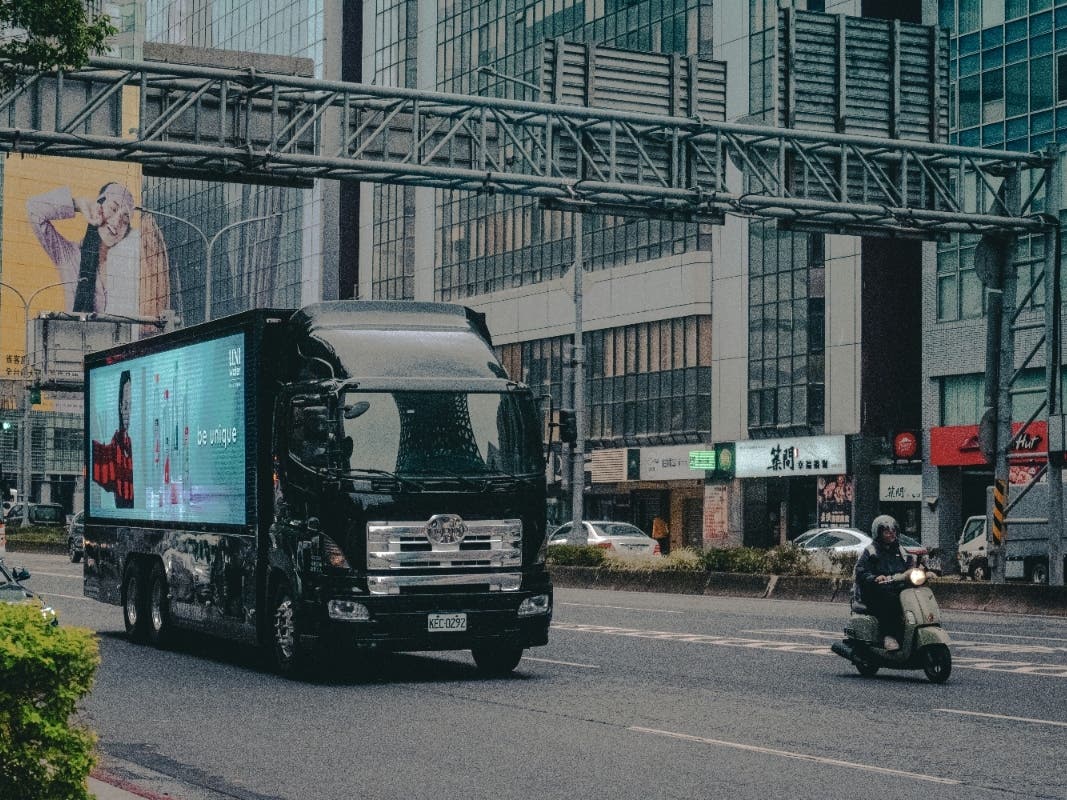
Most brands usually go for fixed placements like billboards when they consider using geo-targeted advertising. They pick a location that they believe their customers frequent, put up their ad, and hope the right audience passes by. The problem is, people don’t behave that way in real life.
They move across different parts of the city, influenced by events, their daily commute, their shopping habits, and much more. As such, foot traffic looks completely different at 8 a.m. than it does at 8 p.m. So even if you pick a great location, you’re still only catching a slice of your audience.
Mobile LED Billboard Trucks Change How Geo-Targeting Works
Instead of just choosing a static spot in the city, mobile out-of-home (OOH) advertising lets you focus on specific neighborhoods, certain times of day, events, and traffic patterns, following where attention already exists instead of waiting for it.
Find out what's happening in Duluthfor free with the latest updates from Patch.
The route itself is part of the strategy. Let’s take a look at how.
How Route Strategy Drives Ad Performance
Geo-targeting is very much about where your ad shows up. However, mobile billboard trucks add another layer to how your ad moves throughout the day.
Find out what's happening in Duluthfor free with the latest updates from Patch.
There are various strategies for optimizing your ad routes to ensure you get maximum return on investment (ROI) on your marketing budget.
1. Time-Based Targeting
Not all traffic is the same. Your morning commuter is focused on getting to work, while an evening one is thinking about what to have for dinner, what’s needed at home, and so on. Similarly, weekday audiences behave differently from weekend crowds.
On the other hand, events create their own timing windows. There’s a before, during, and after mindset.
A strong route strategy takes all of this into account. It puts your message in front of people at the right moment, not just the right place.
2. Density Targeting
Then there’s volume.
Some areas naturally pull more attention, such as busy intersections, event zones, and retail clusters. These are places where people slow down or spend time, which gives your message a better chance to land.
Instead of putting a static ad in a single high-traffic location, route-based campaigns move your message through multiple high-density areas. This ensures maximum visibility throughout the day.
3. Repetition and Frequency
Seeing an ad once is easy to ignore. However, if a person sees an ad on the way to work, later in the day, and maybe again that evening, they’re definitely going to recognize it.
The Rule of 7 is a marketing principle that states a person typically needs to see an ad at least seven times before they take action. However, modern research suggests that this number may be even higher with the internet’s influence.
A good route strategy makes that possible, as circulating through the same corridors not only reaches more people, but also reaches them more than once.
Matching Routes to Campaign Objectives
This is another strategy, but it deserves its own category because once you start working with route-based advertising, it becomes clear pretty quickly that different goals need different movement patterns.
Brand Awareness
Route strategy shifts to reach and repetition across a wide area when the goal is awareness. Your mobile LED trucks should expand outwards instead of staying in one concentrated area, covering multiple neighborhoods, commercial districts, high-traffic corridors, and even advertising markets.
The idea is to build familiarity across different parts of the city so the message starts to feel present everywhere. The more varied the exposure, the stronger the recall over time.
Event Promotion
Event campaigns tend to work differently because timing matters just as much as location. In this case, routes tighten up and loop around event venues and high-energy areas like entertainment districts and nightlife zones. Basically, places where crowds are already forming or preparing to gather.
This concentrated movement increases visibility right where decisions about attendance are actually happening.
Retail Activation
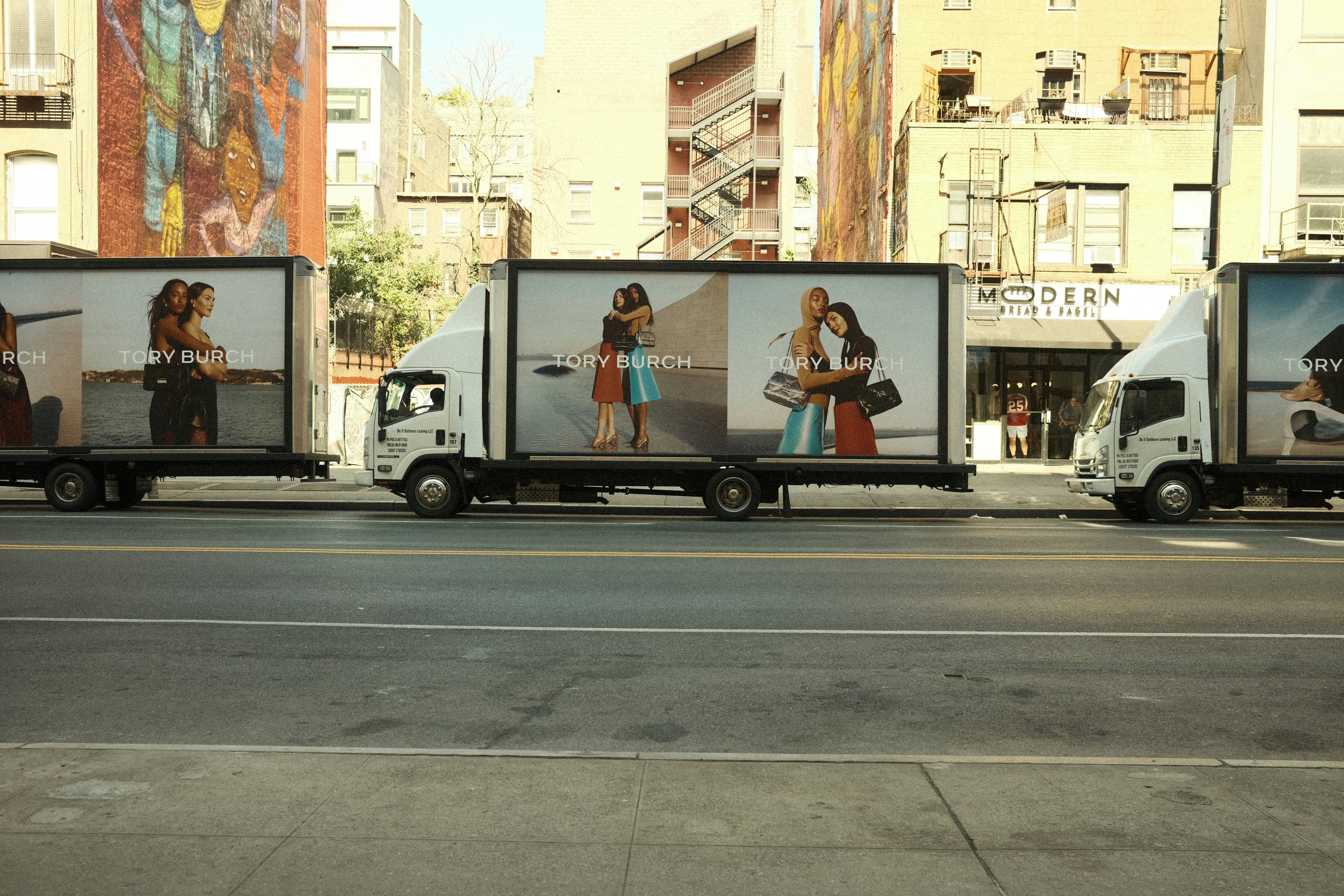
When shopping, people are more likely to be influenced when your brand is seen in the immediate decision-making environment. As such, proximity is the best route strategy for retail-driven campaigns.
Mapping mobile LED trucks close to brand stores, shopping centers, and sometimes even competitor locations has been shown to increase foot traffic and sales.
Political Campaigns
These types of messages rely heavily on consistency and geographic relevance. Routes are typically mapped around specific districts, key neighborhoods, and different streets where voters move daily.
Repetition within defined areas makes sure the message becomes familiar and harder to ignore over time.
Matching Routes to Your Target Audience
The same idea applies when you shift from objectives to audiences, because different groups of people move through cities in very different ways.
Professionals
For example, for business-to-business (B2B) or corporate audiences, routes are mapped toward business districts during the heaviest commuter hours (7–9 a.m. and 4–6 p.m.), convention centers, and downtown core areas.
These are the environments where professionals are already in work mode and are more receptive to campaigns tied to services, policies, or announcements.
Families
The rhythm changes completely for retail and family audiences. You’re looking at shopping centers, residential neighborhoods, weekend activity zones, and entertainment zones where people are spending time together.
The key is to reach people in the environments where their attention already sits.
The Advantage of Mobile LED Trucks Over Static Digital Billboards
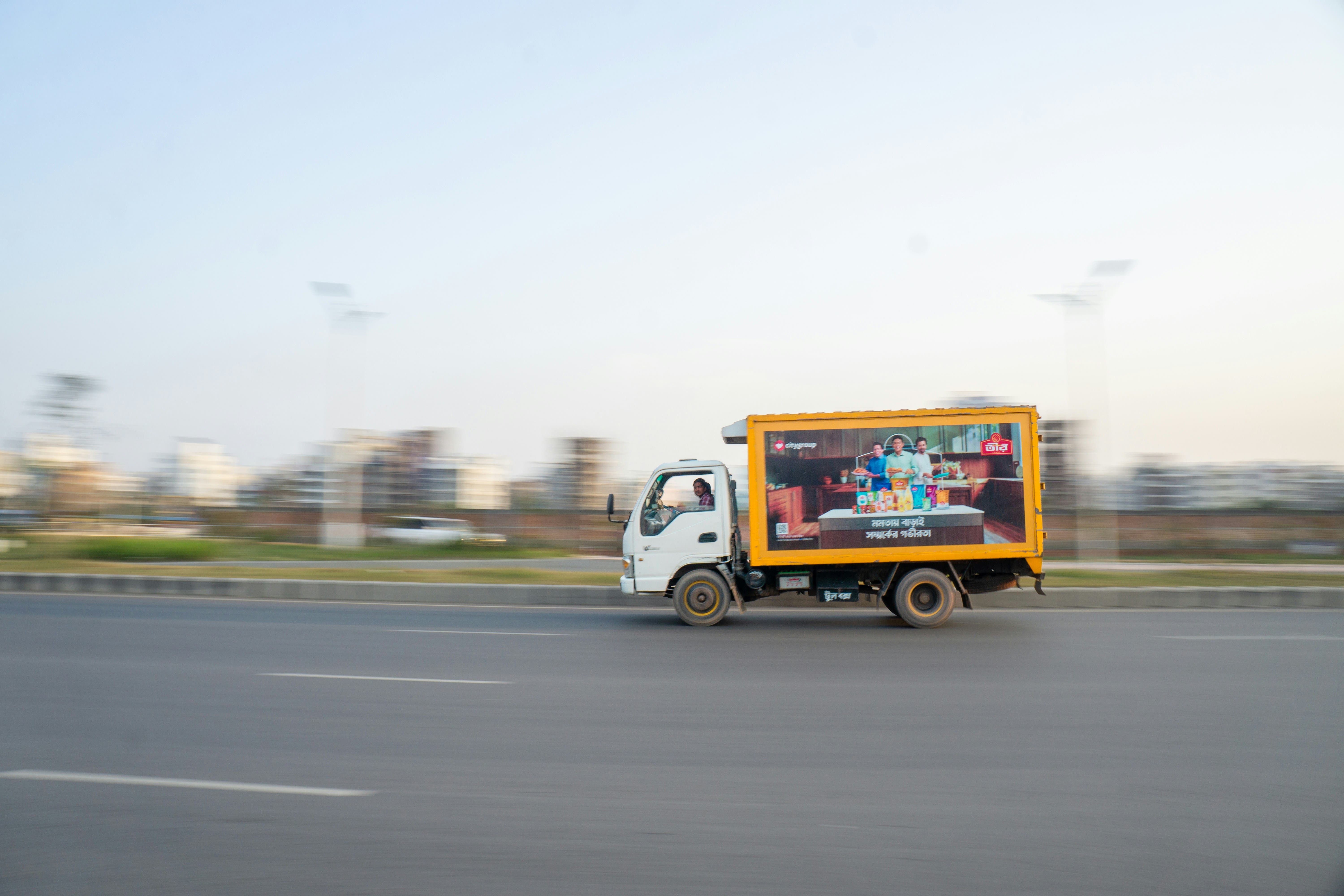
The pros of mobile LED trucks are pretty clear from the routing strategies above. However, the real advantage is the level of control it gives you.
Because these campaigns are route-based, messaging can shift depending on where the truck is and who it’s reaching in that moment.
For example, you might run a coffee promotion near offices during the morning rush, then switch to a happy hour message as the truck moves toward an entertainment district later. Ads can even be programmed to change or turn off the moment the truck leaves a specific zone.
No other OOH advertising channel gives you that kind of advantage.
Takeaway: Use Movement to Your Advantage
A great route strategy brings together timing, placement, context, and repetition in a way static ads simply can’t.
If you’re not sure your ads are showing up in the right places and at the right times, mobile LED trucks might just be what your brand needs.