Health & Fitness
Salmonella Outbreak Hits Michigan: What To Know
Officials said the outbreak is tied to backyard poultry, specifically baby poultry such as ducklings and chicks.


Michigan health officials warned residents Monday about three ongoing salmonella outbreaks affecting the state and 30 others.
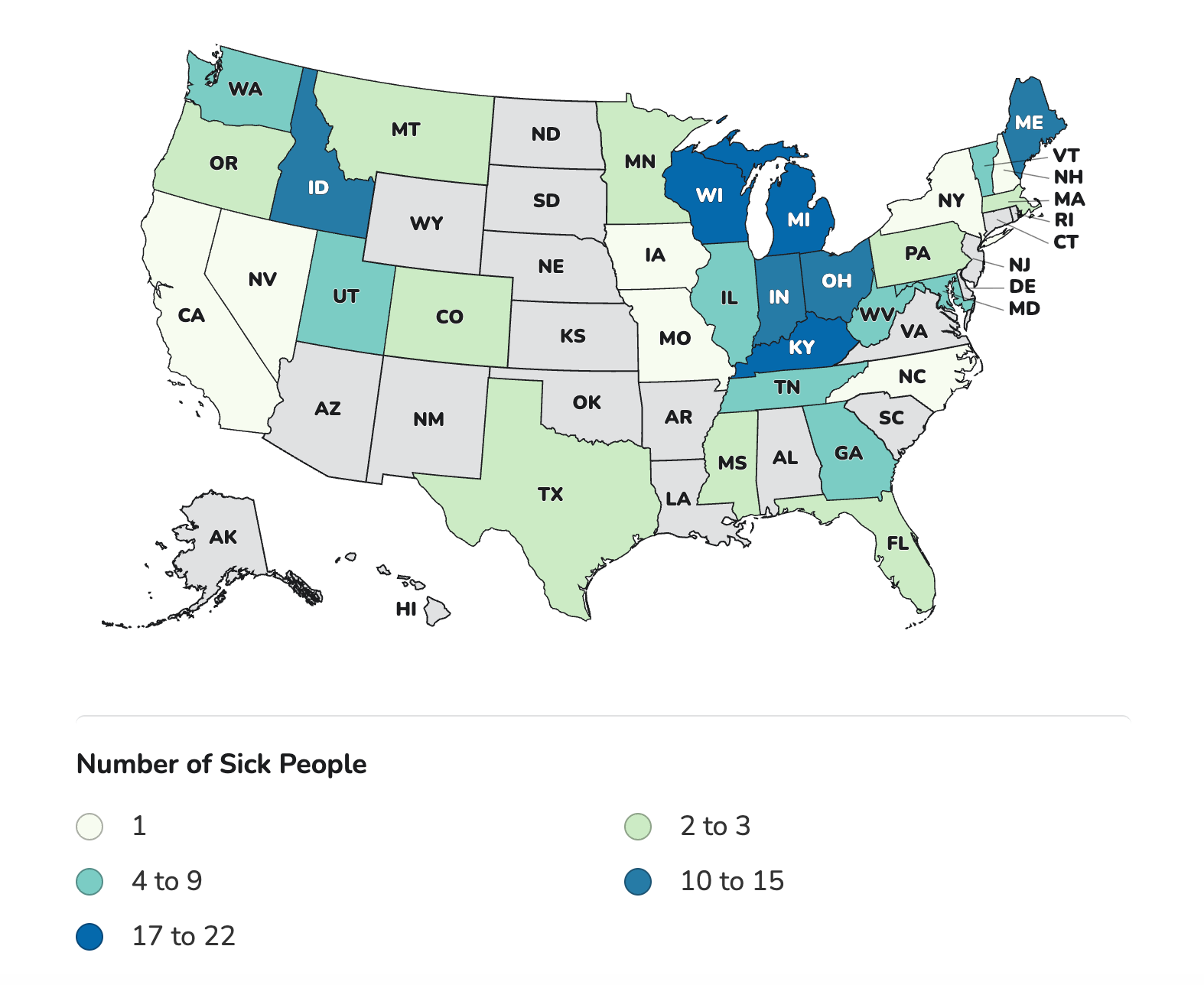
As of Monday, 184 people across 31 states have been confirmed to be infected with one of the three strains: Salmonella Enteritidis, Salmonella Mbandaka and Salmonella Saintpaul.
One person from Washington has died, officials said.
Find out what's happening in Across Michiganfor free with the latest updates from Patch.
Michigan is home to 21 cases, all from the Salmonella Saintpaul strain, though officials believe that number is much higher because not all cases get reported.
They added that more than a quarter of those cases are in children younger than 5 years old.
Find out what's happening in Across Michiganfor free with the latest updates from Patch.
Only Kentucky, with 22 cases, has reported more salmonella infections connected to the outbreak.
Officials said the outbreaks are connected to backyard poultry, specifically baby poultry such as ducklings and chicks. They said salmonella bacteria is commonly found in the droppings of poultry, as well as the bird's feathers, feet and beaks.
The bacteria can also be found in the birds's cages, coops and their habitat.
Officials added the birds can carry the bacteria without appearing sick.
"While raising baby chicks and ducks can be fun and educational, poultry owners should be aware that chickens and other birds can carry germs that can impact human health," Michigan Chief Medical Executive Natasha Bagdasarian. "Washing your hands thoroughly before and after handling chicks and other poultry protects both you and your family from the risk of salmonella."
People can become infected with salmonella when they handle poultry or their cages and coops. The germs can then be moved onto the hands, shoes and clothing of those who handle the birds.
In the largest outbreak, officials said people are reporting contact with backyard poultry. Michigan health officials said they are working with the CDC and other states to find the source of the outbreak.
CDC
If a person becomes infected with salmonella, it can cause diarrhea, vomiting, fever and abdominal cramps lasting four to seven days or more. Infections can be especially serious for the very young, the very old and those with weakened immune systems.
Health officials recommend the following steps for people who raise backyard poultry:
- Children younger than 5 years old, older adults or people with weakened immune systems should not handle or touch chicks, ducklings or other poultry because they are more likely to become severely ill.
- Remain outdoors when cleaning any equipment associated with raising or caring for poultry, such as cages, feed, water containers and other materials.
- Wash hands thoroughly with soap and water before and after touching birds or anything in their environment. Adults should supervise handwashing for young children.
- If hands cannot immediately be washed, use hand sanitizer until they can be washed thoroughly with soap and water.
- Always keep poultry away from areas where food or drink is prepared, served or stored, such as kitchens or outdoor patios.
- Do not eat, drink or touch anything to your mouth without thoroughly washing hands after handling poultry or something from their environment.
- Do not keep live poultry inside the house where people live, eat or sleep.
- Do not kiss or snuggle backyard poultry, especially chicks.
Get more local news delivered straight to your inbox. Sign up for free Patch newsletters and alerts.