Politics & Government
Some In Minneapolis City Council Wants Humans Behind The Wheel Of Robotaxis
A new ordinance would protect thousands of driving jobs, but not everyone thinks it's the right fix.


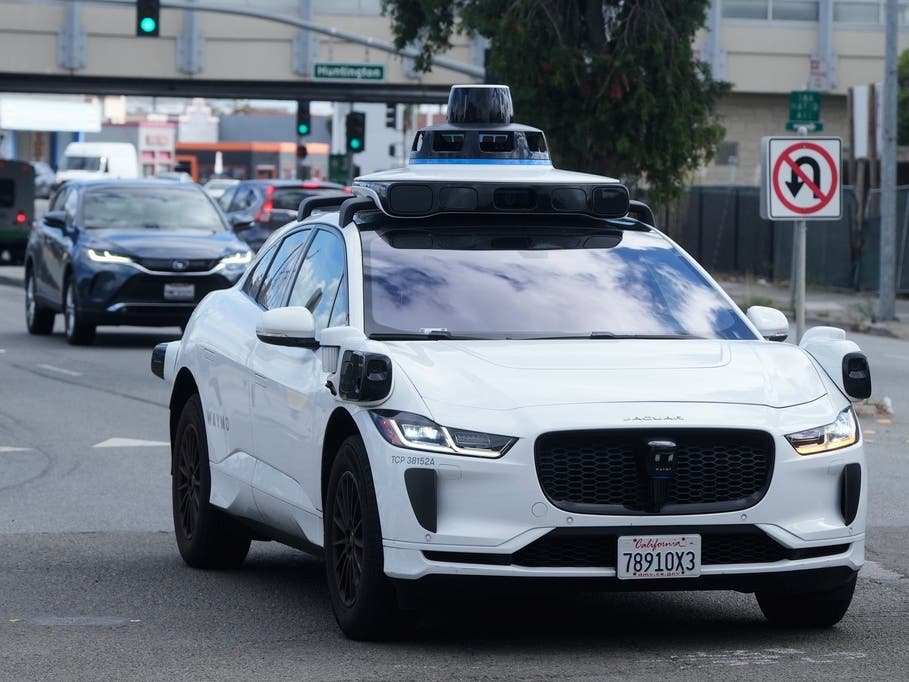
MINNEAPOLIS, MN — Four Minneapolis City Council members want a human in the driver's seat of every robotaxi operating in the city.
A proposed ordinance called "Workers Drive Minneapolis" would require companies like Waymo, Tesla and Zoox to get a city license before running commercial self-driving cars in Minneapolis.
Waymo vehicles currently operate with no human driver at all in San Francisco, Phoenix, Austin, and other U.S. cities.
Find out what's happening in Minneapolisfor free with the latest updates from Patch.
Every vehicle would need a licensed human safety monitor behind the wheel, paid at least minimum wage, with immediate access to the controls.
Fully remote operation would be banned outright.
Find out what's happening in Minneapolisfor free with the latest updates from Patch.
City leaders say the rule would protect more than 10,000 rideshare drivers, many of them immigrants and workers of color, from losing income to automation.
If it passes, the ordinance takes effect in October 2027.
Council Minority Leader Robin Wonsley, Vice President Jamal Osman, and Members Jason Chavez and Aurin Chowdhury introduced the measure.
"Workers Drive Minneapolis is about public safety and protecting immigrant workers from losing their jobs to automation," Wonsley said. "Rideshare drivers and their families are invested in our city and our communities. Big Tech companies are not."
"Requiring a trained person in the vehicle is a reasonable safeguard," Osman said. "Eliminating jobs does not make something a good deal for our city."
Rideshare driver Abdullahi Abshair said robotaxis cannot do what he does for passengers, from helping someone who is intoxicated get home safely to simply listening on a hard day.
The ordinance has union backing from ATU Local 1005, SEIU Local 26, Teamsters Joint Council 32, Our Streets and the Minnesota Uber Lyft Drivers Association.
Not everyone agrees a human-in-the-seat rule is the right answer.
According to MPR News, advocates for blind and disabled Minnesotans have testified to state lawmakers that robotaxis could expand transportation options for riders who have faced discrimination from some human drivers.
The Star Tribune reported that some researchers are skeptical of Waymo's own safety claims, which cite far fewer serious injury crashes across more than 127 million driverless miles.
Meanwhile, a separate bipartisan bill at the Capitol, backed by Waymo, would set statewide rules for self-driving cars and block cities from writing their own, a measure that could override Minneapolis's ordinance if it passes.
Public hearings for the Minneapolis ordinance are set for Sept. 22 and 29, with a possible council vote on October 1.
Get more local news delivered straight to your inbox. Sign up for free Patch newsletters and alerts.