Politics & Government
Public Housing Can Be A Form Of Civic Infrastructure
Especially when you treat tenants as partners.

March 1, 2026
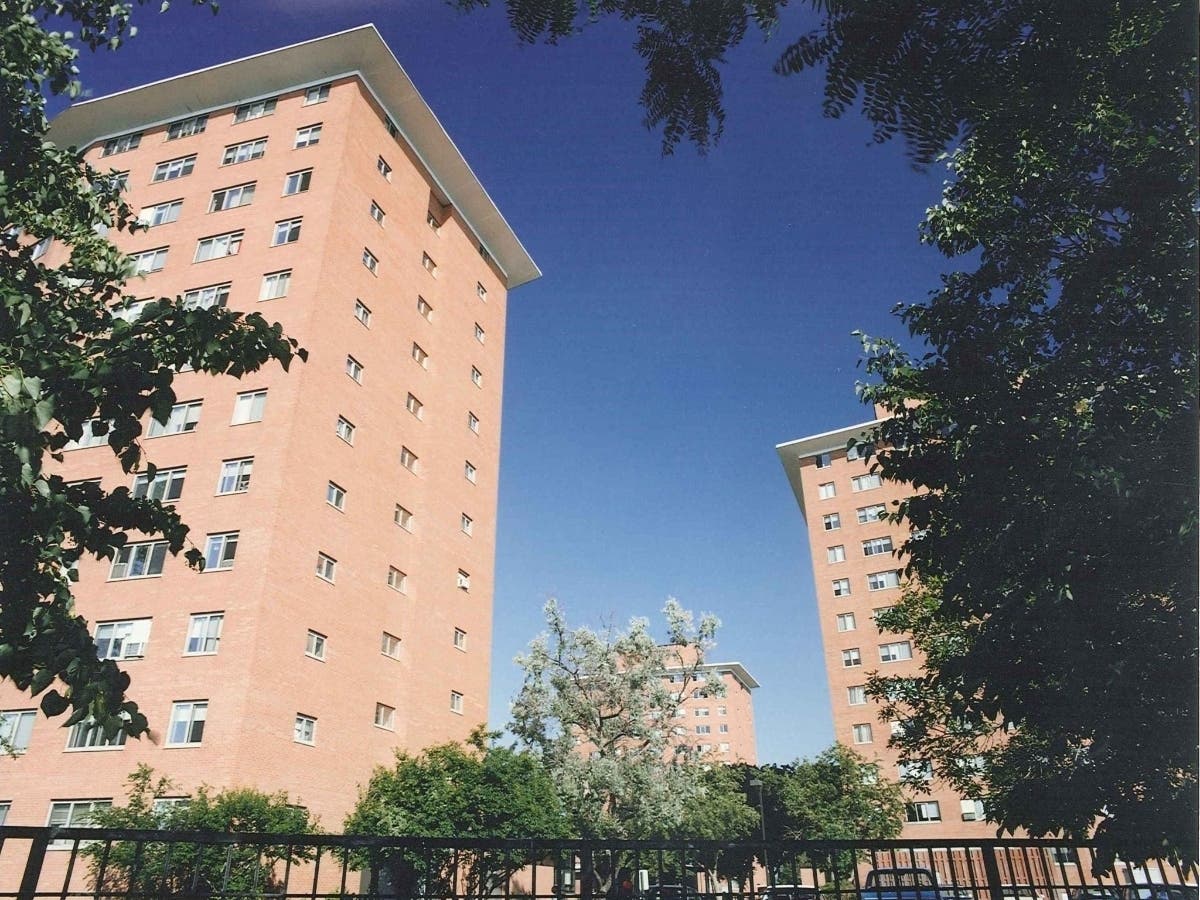
As headlines warn of fraying civic life and rising isolation, I see something different in the minutes before a resident council meeting in a Minneapolis public high-rise. I watch the quiet choreography of community coming to life.
Find out what's happening in Minneapolisfor free with the latest updates from Patch.
If I brought you with me, you might think you were witnessing something extraordinary. I see what is ordinary: a neighbor translating softly so everyone can follow along; someone pouring coffee without being asked; a resident pausing to check on someone who has not been seen in a few days. No one calls it mutual aid or delivers a speech about solidarity. “Mutual Aid” is a way of life here. Our public housing residents take care of each other, the way they always have.
In a high-rise, your well-being is tied to your neighbor’s. When you share elevators, hallways and walls, you learn quickly that stability is collective. If someone is isolated, the whole building feels it. If someone is afraid, that fear travels. When someone steps up to help, that strength spreads just as quickly.
Find out what's happening in Minneapolisfor free with the latest updates from Patch.
In January, as national conversations about immigration enforcement intensified, Minneapolis residents stepped up to support immigrant neighbors. People offered rides, shared verified information in multiple languages, and asked a simple question: What do you need? For many observers, it felt like a remarkable moment. For those who live in public high-rises, it felt familiar.
High-rise residents do not build community only in moments of crisis. We rely on systems built over decades. Resident council leaders circulate accurate updates. Neighbors translate conversations in real time. When someone misses a gathering, someone checks in. When tensions rise, trained leaders step forward to de-escalate. When one building learns something important, others hear about it.
For more than 40 years, the Minneapolis Highrise Representative Council has strengthened resident leadership so that people who live in public highrises have real influence over the safety, quality and future of their communities. Residents elect leaders, run councils, coordinate safety initiatives, and collaborate directly with housing authority leadership and public agencies. We are embedded within the system. We sit at decision-making tables and bring the collective voice of residents with us.
Belonging in a high-rise is not sentimental. It makes a system that is otherwise hard more survivable. The high-rise council connects building-level leadership with citywide coordination and civic participation. When residents are organized across buildings, isolation decreases. When neighbors know one another’s names and strengths, buildings function better. When tenants feel comfortable speaking up, problems are addressed earlier and solutions are more durable.
Decades of organizing have shown that the most effective way to strengthen public housing is to treat tenants as partners in governance — not passive recipients of services. When residents are informed about elections, housing policy and budget decisions, they participate with clarity and confidence. They vote. They serve on committees. They hold agencies accountable. Democracy does not begin at City Hall for residents of Minneapolis public highrises. It begins in the community room.
Public housing communities are often described in terms of scarcity and need. Those realities are real, but they tell only part of the story. These buildings are also places of organization and civic participation. Seniors help one another navigate bureaucracy. Immigrants translate for elders who speak a different language. Residents understand that if one person is left out, the whole building feels the impact.
That everyday leadership produces results. When resident leadership is strengthened, buildings become safer and more connected. When tenants are treated as partners, public systems function more effectively. Organized resident networks reduce isolation, improve communication and create stability that no outside agency can manufacture.
The salt of Minneapolis lives in high-rises. Our Southside buildings are full of Southsiders. Our North and Northeast buildings are full of Northsiders and Nordeasters. Many of the people who built this city’s civic culture, including union members, church leaders and block captains, now live in these buildings.
There are lessons here for our city and state.
When neighbors are connected and trusted as leaders, public systems work better. If we are serious about rebuilding civic life and strengthening democracy, we would do well to look inside our public highrises. Residents have been modeling participatory governance for decades in a system they created by hand. The question is whether we are willing to learn from them.
The Minnesota Reformer is an independent, nonprofit news organization dedicated to keeping Minnesotans informed and unearthing stories other outlets can’t or won’t tell..