Community Corner
Kirkwood Woman Credits Asking Questions For Her Lung Cancer Hope
One important question to ask: What are the new and innovative options available in small-cell lung cancer today?
This is a paid post contributed by a Patch Community Partner. The views expressed in this post are the author's own, and the information presented has not been verified by Patch.
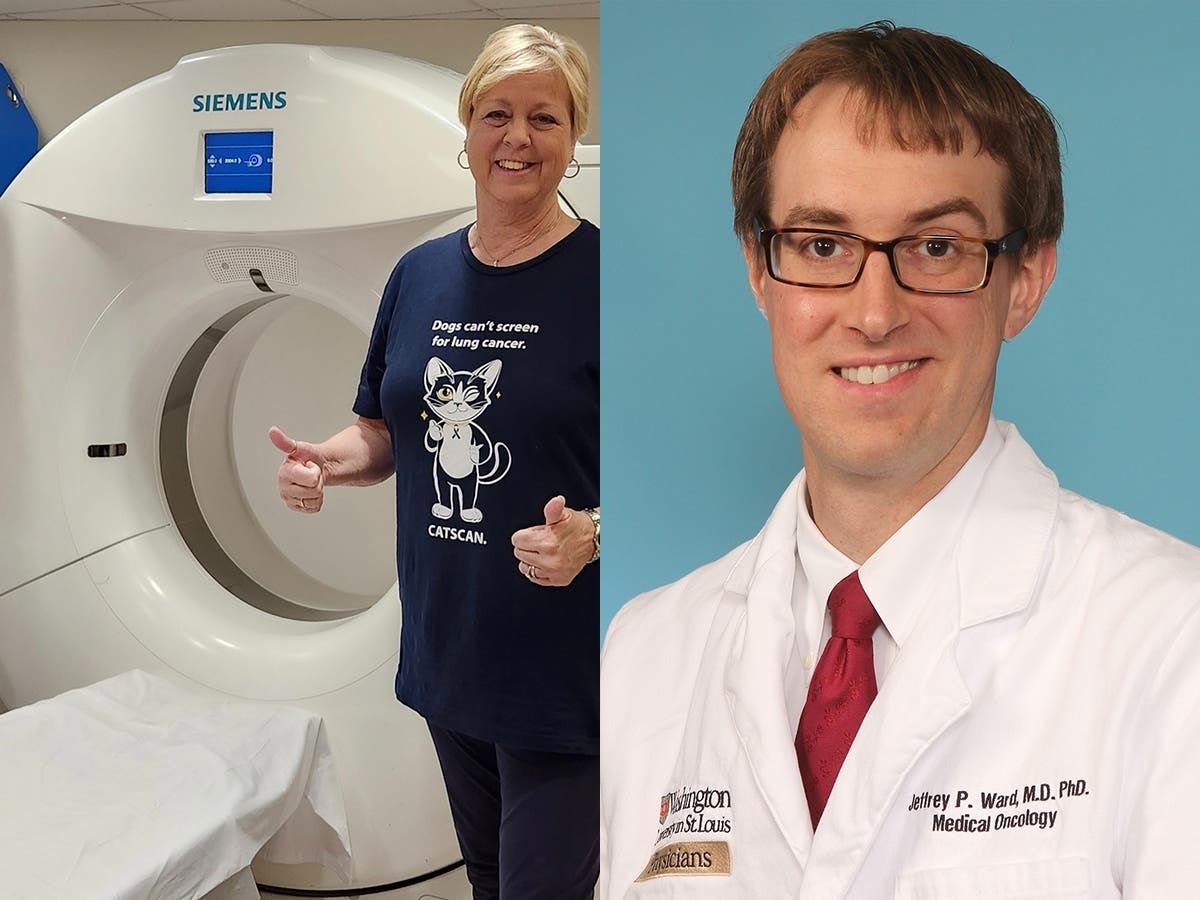
Kirkwood resident Wendy Brooks was newly retired in 2021 and looking forward to watching her three young grandsons grow.
“I was starting to have quite a few different upper respiratory infections, bronchitis, episodes,” Wendy says.
Wendy was exposed to radon growing up, exposed to silicon dust at work, and had been a smoker. According to the Lung Cancer Foundation of America(LCFA), in 2025, lung cancer caused more deaths than breast, prostate, and colorectal cancers combined. Wendy lost her father to lung cancer in 2013.
“It was something that was always in the back of my mind that probably puts me at a higher risk of lung cancer than others,” Wendy says.
Wendy shared her concerns with her primary care physician. Although at the time Wendy was too young to meet the recommended screening requirements, she and her doctor pushed for testing. In 2018, Wendy began annual low-dose CT screenings. In 2023, screenings showed small-cell lung cancer. Small cell is an aggressive form with historically fewer treatment options than other types of lung cancer. However, recent advances in innovative treatments for small-cell lung cancer offer patients reason to hope.
“We have much more effective treatments now than even five years ago,” says Dr. Jeffrey Ward, thoracic medical oncologist and associate professor of medicine at Washington University School of Medicine and Siteman Cancer Center.“It's not an automatic hospice diagnosis. I have more patients living longer and living well than ever before. Things have changed really, really fast."
As new treatments get FDA approval, it can be hard for patients and doctors to know all of the options.
“Keep pushing," Wendy says. “And ask what are the new and innovative treatments that are available today?”
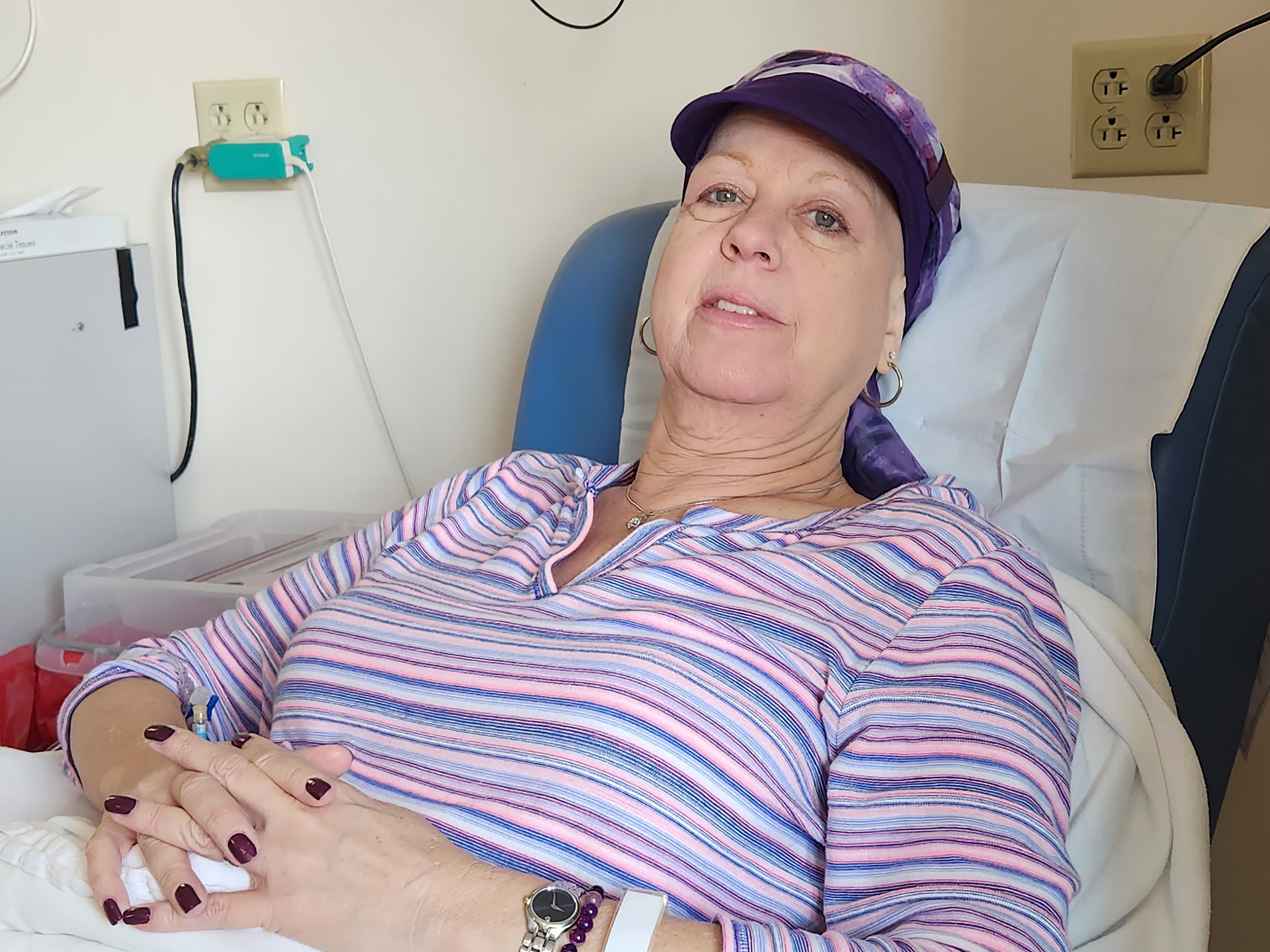
“When small-cell lung cancer is limited to the chest, we can sometimes cure it with chemotherapy and radiation together,” says Dr. Ward. “But most patients are diagnosed after the cancer has spread. For these patients, who have what is known as metastatic disease, we have used essentially the same chemotherapy since the 1980s. The first real step forward came in 2019, when we added immunotherapy to that chemotherapy backbone. It gives patients new options when the cancer comes back."
Wendy’s initial treatment was the traditional chemotherapy and radiation.
Then, the cancer came back, metastasizing in her brain. She fought for innovative treatments. In 2025, she joined a clinical trial for BiTE therapy, bispecific T-cell engager drugs. BiTE therapy is a specific form of immunotherapy.
"Our immune system has a type of immune cell called the T-cell, which is very good at recognizing and destroying viruses, but cancer is good at hiding from them,” says Dr. Ward. “Think of bispecific T-cell engager drugs as a bridge: one end grabs onto the cancer cell, the other end grabs onto a T-cell, and it pulls them together so that the T-cell is triggered to attack the tumor."
Today, BiTE therapy is now FDA-approved. Wendy has been on a T-cell engager drug for 19 months now as part of a clinical trial.
“I wanted great medicine. I pushed for new medications and clinical trials,” Wendy says.
“And I want these better options for everybody.We're pushing science forward.”
"It's been really gratifying to watch these treatments grow from early trials into the standard of care," says Dr. Ward.

Wendy says she finds strength in attitude. “The doctor said he was treating with curative intent. Treating to cure. So that mindset, I think, really helps a patient. As you start your cancer journey, you have to have hope.”
For more information, visit Lung Cancer Foundation of America’s website: https://lcfamerica.org/
This post is an advertorial piece contributed by a Patch Community Partner, a local brand partner. To learn more, click here.