Politics & Government
Harvard Medical School To Pay $53M To Settle Cadaver Lawsuits
Harvard wants to pay millions to the families of people whose cadavers were mutilated by a former morgue staffer, Cedric Lodge of Goffstown.

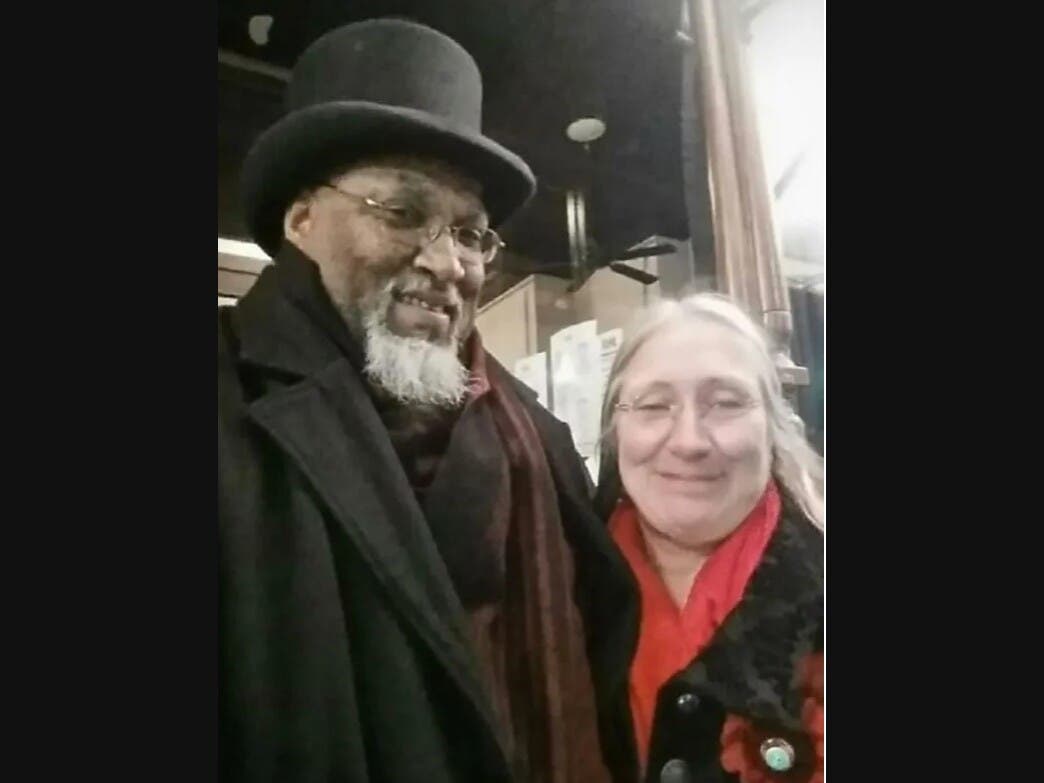
Harvard Medical School wants to pay $53 million to the families of people whose cadavers were mutilated by former morgue staffer Cedric Lodge, and then sold as parts online.
Lodge, 52, and his wife, Denise Lodge, 66, both pleaded guilty in federal court for their macabre business operated out of their Goffstown home. Cedric Lodge is serving an eight year sentence in federal prison, and Denise Lodge was sentenced to a year and a day behind bars. Cedric Lodge used his position to gain access to cadavers donated to the medical school under the Anatomical Gift Program.
Find out what's happening in Bedfordfor free with the latest updates from Patch.
A letter to the Harvard Medical School and Harvard Dental School communities from deans George Daley and Bernard Chang made public Monday lays out the settlement agreement between the school and close to 50 plaintiff families. The agreement starts with a $53 million fund administered by a third-party who will work with families to reach individual settlements.
The school is also pledging to host a live webinar for families during which school officials will go over the changes made to the Anatomical Gift Program and the manner in which the donated cadavers are secured. The webinar will also feature school officials confirming that “Lodge’s criminal acts were morally reprehensible and inconsistent with the standards that Harvard University and HMS expect for the treatment of anatomical donors and their loved ones,” the letter states.
Find out what's happening in Bedfordfor free with the latest updates from Patch.
The school is further going to create an annual financial aid scholarship for medical students in appreciation and in honor of all of the anatomical donors.
Daley and Chang state in their letter that the Anatomical Gift Program is a crucial aspect of the Harvard medical education, and that students and professors understand the profound nature of the gift medical donors make.
“The detailed study of human anatomy through the dissection of the bodies of deceased individuals is an invaluable and indispensable part of medical and dental students’ education and in the ongoing training of surgical residents and other health care professionals. Our students are deeply respectful of and grateful to the donors and their families, and each year at the conclusion of their studies they hold a private memorial service to honor the donors,” Daley and Chang wrote.
The settlement agreement gained preliminary approval in Suffolk Superior Court, and the final approval is expected in December.
As the school’s morgue manager, Cedric Lodge trafficked parts of the donated bodies to buyers throughout the country at least as far back as 2018.
“Lodge stole dissected portions of donated cadavers, including heads, brains, skin, bones, and other human remains, and transported them to his home in [Goffstown] New Hampshire. From there, Lodge and his wife [Denise Lodge] sold the stolen body parts to buyers … with whom they communicated via social media websites and cell phones,” according to court records.
Some repeat customers were even allowed by Cedric Lodge to tour the morgue in order to select the parts they wanted to buy, according to court records. Massachusetts Supreme Judicial Court Associate Justice Scott Kafker ruled last year the school was liable for its failure to properly supervise Cedric Lodge.
“[A]n unsupervised Lodge was able to dismember the donated bodies; bring unauthorized people into the morgue to inspect and purchase body parts, including during working hours; and carry body parts out of the morgue for years. Other red flags, such as his license plate describing himself as the ‘Grim-R[eaper],’ which revealed an unprofessional insensitivity given his position in a medical school morgue, were also ignored or tolerated,” Kafker wrote.
This story was originally published by InDepth NH.