Community Corner
Soule: The Truth about Milking Cows
A cow produces milk for one reason: to feed her calf. She doesn't make it for your latte, grilled cheese sandwich, or ice cream cone.


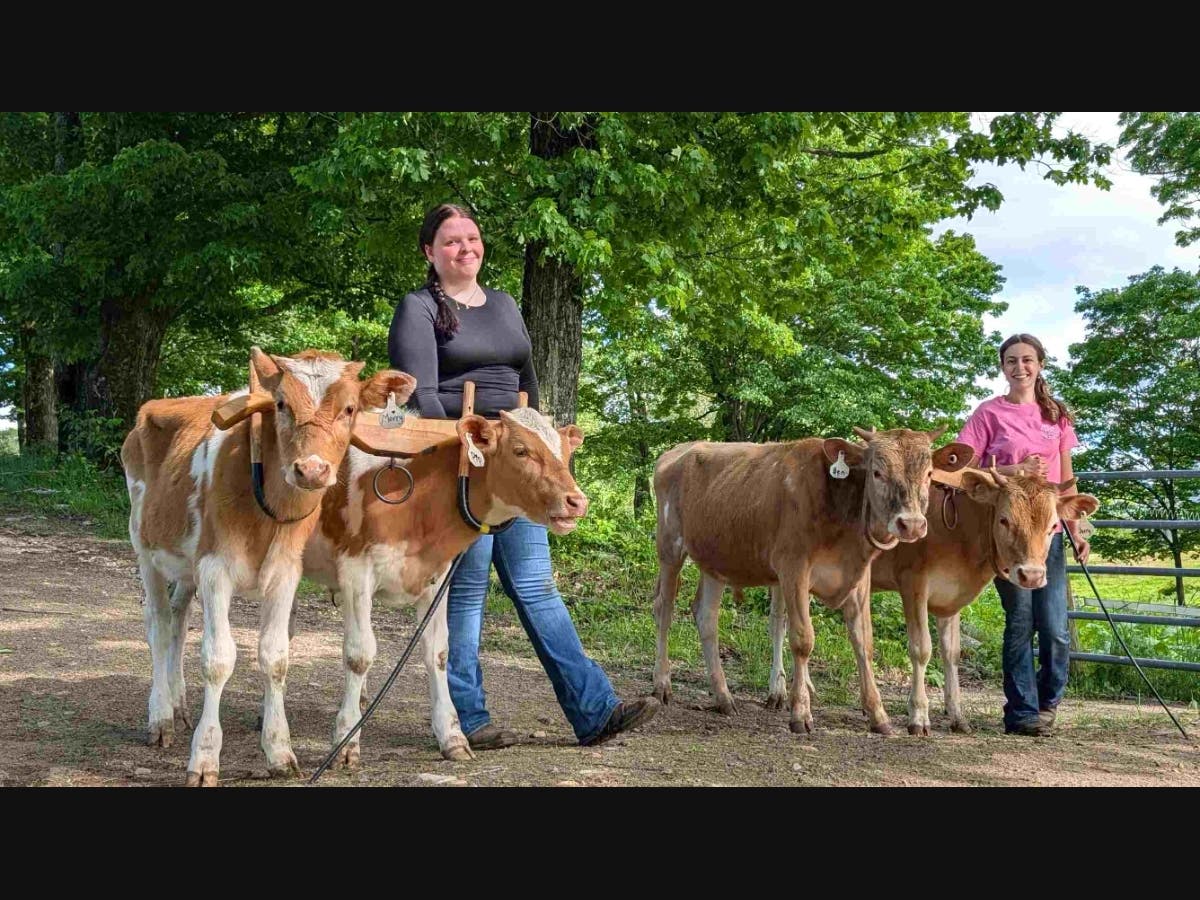
"What type of cow is that?" asked Jane, a visitor to Miles Smith Farm, pointing to Merry. When I told her Merry was a dairy calf, Jane's follow-up stopped me cold: "When will you start milking her?"
Where to begin? For starters, Merry is a he—a steer. Jane's question, though, revealed a common and charming misconception: Cows simply fill up with milk on their own, like vending machines restocked overnight.
If only things were that simple. A cow produces milk for one reason: to feed her calf. She doesn't make it for your latte, grilled cheese sandwich, or ice cream cone. Just as a human mother produces milk for her baby, a cow does the same for hers.
Understanding this natural process helps explain modern dairying. Dairy cows, like those black-and-white Holsteins, are the product of generations of selective breeding aimed at one goal: more milk, and lots of it. Soon after a calf is born, it's separated and bottle-fed formula. The cow is then milked twice daily, and that milk is consumed by non-vegan humans in many delicious forms.
The realities of dairy farming can seem harsh. Dairy calves like Merry are separated from their mothers within days or even hours of birth. This happens for a reason.
Find out what's happening in Concordfor free with the latest updates from Patch.
Carole Soule is co-owner of Miles Smith Farm, in Loudon, N.H., where you can have an Ultimate Cow Experience and sit on gentle giant, Scottish Highland Curious Bleu. She can be reached at carole@cow-coach.com.