Politics & Government
Expert Testimony Required For Insanity, Mental Capacity Defenses, NJ High Court Rules
Whether a disease exists and how it affected a person's actions are questions best left to professionals, the court ruled.

August 3, 2026
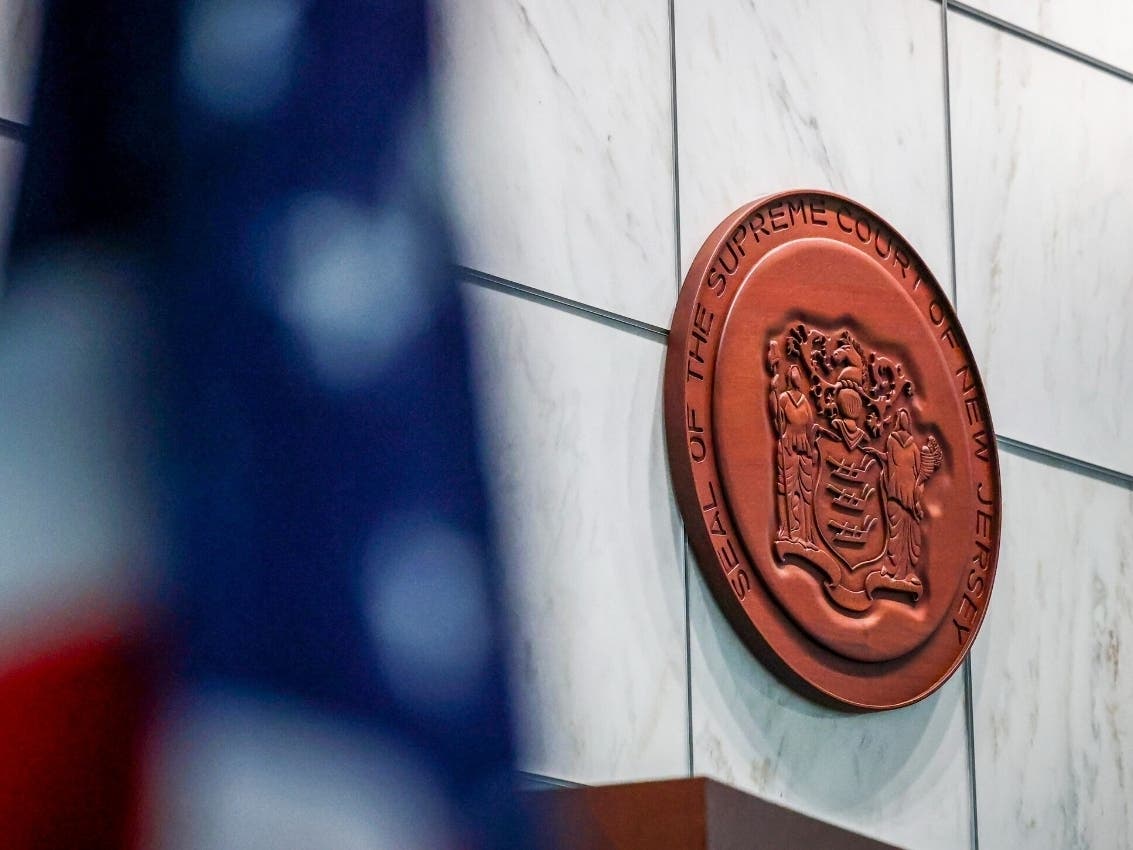
New Jersey defendants must secure testimony from a doctor or other expert witness if they want to mount a defense claiming they committed crimes because they were insane or had diminished mental capacity, the state Supreme Court ruled in two separate cases Monday.
Find out what's happening in Across New Jerseyfor free with the latest updates from Patch.
In the two unanimous rulings, the high court said juries should not have to rely on their own knowledge, or that of other lay people, when making momentous decisions that could turn on their understanding of an individual’s mental illness.
“Jurors should not be left to speculate in the highly specialized area of mental illness in the high stakes setting of a criminal trial,” Justice Fabiana Pierre-Louis wrote in State v. Kader Mustafa, the diminished capacity case.
Find out what's happening in Across New Jerseyfor free with the latest updates from Patch.
The high court’s unanimous rulings uphold the murder convictions of two men who argued they should have been tossed because of issues with their sanity or mental capacity. Neither presented expert witness testimony to that effect at trial.
Jeremy Arrington claimed insanity when on trial for taking hostage and torturing nine people in a Newark apartment, including three he killed, killings that were Arrington’s reaction to a Facebook post about him by an ex-girlfriend’s daughter. He was sentenced to 375 years in prison in 2022.
New Jersey’s insanity defense allows individuals to argue they are not criminally responsible for offenses because they had a “defect of reason” or “disease of the mind” so severe that it prevents them from knowing an act is wrong.
Whether a disease exists and how it affected a person’s actions are questions best left to professionals, the court ruled.
“Not only do medical experts diagnose mental diseases, but they are also critical to the complex and esoteric determination of the contemporaneous impact of an individual’s condition on their conduct,” Justice John Hoffman wrote for the court in State v. Arrington.
In contrast to insanity defenses, diminished capacity defenses argue a person is not culpable for a crime because they lacked the mental capacity to meet a state-of-mind requirement that is a factor of most criminal charges.
Kader Mustafa sought a jury instruction on diminished mental capacity while facing trial for the fatal shooting of another motorist during a road rage incident in 2018. While driving on Route 33 near Freehold, a motorist driving behind Mustafa had their high beams on because one of her headlights was out, Monday’s ruling says. Mustafa let that motorist pass, then sped up behind her, flashing his own high beams before taking out a gun and firing it at her, the ruling says. He was sentenced to a life term in prison.
In Mustafa’s case, the high court cautioned that jurors without experts to guide them may rely on stereotypes and assumptions about mental illness, however unreliable, when delivering their verdict.
Jurors also lacked the expertise to differentiate symptoms of mental illness from symptoms of certain drug addiction or the ability tell a real illness from a fake one, the court said.
“Understanding what is or is not a mental ‘disease or defect’ — and further determining whether that ailment altered defendant’s state of mind at the time of the offense — requires specialized knowledge beyond the ken of average jurors,” the court wrote in Mustafa’s case.
The American Civil Liberties Union of New Jersey, which joined the case as a friend of the court to argue for lay witness testimony, expressed disappointment at the ruling.
“Today’s decisions underestimate the jury and diminish its essential role,” said Liza Weisberg, supervising attorney at the group. “We will continue to advocate for defendants’ rights to due process and to present a complete defense.”
New Jersey Monitor, the Garden State’s newest news site, provides fair and tough reporting on the issues affecting New Jersey, from political corruption to education to criminal and social justice. The Monitor is part of States Newsroom, a national 501(c)(3) nonprofit supported by grants and a coalition of donors and readers.