Crime & Safety
Protected Tern Colony Killed, Possibly By A Fox, Hoboken Bird-Lovers Say
Several terns on a Hoboken pier were killed over the weekend, possibly by a fox on the run.


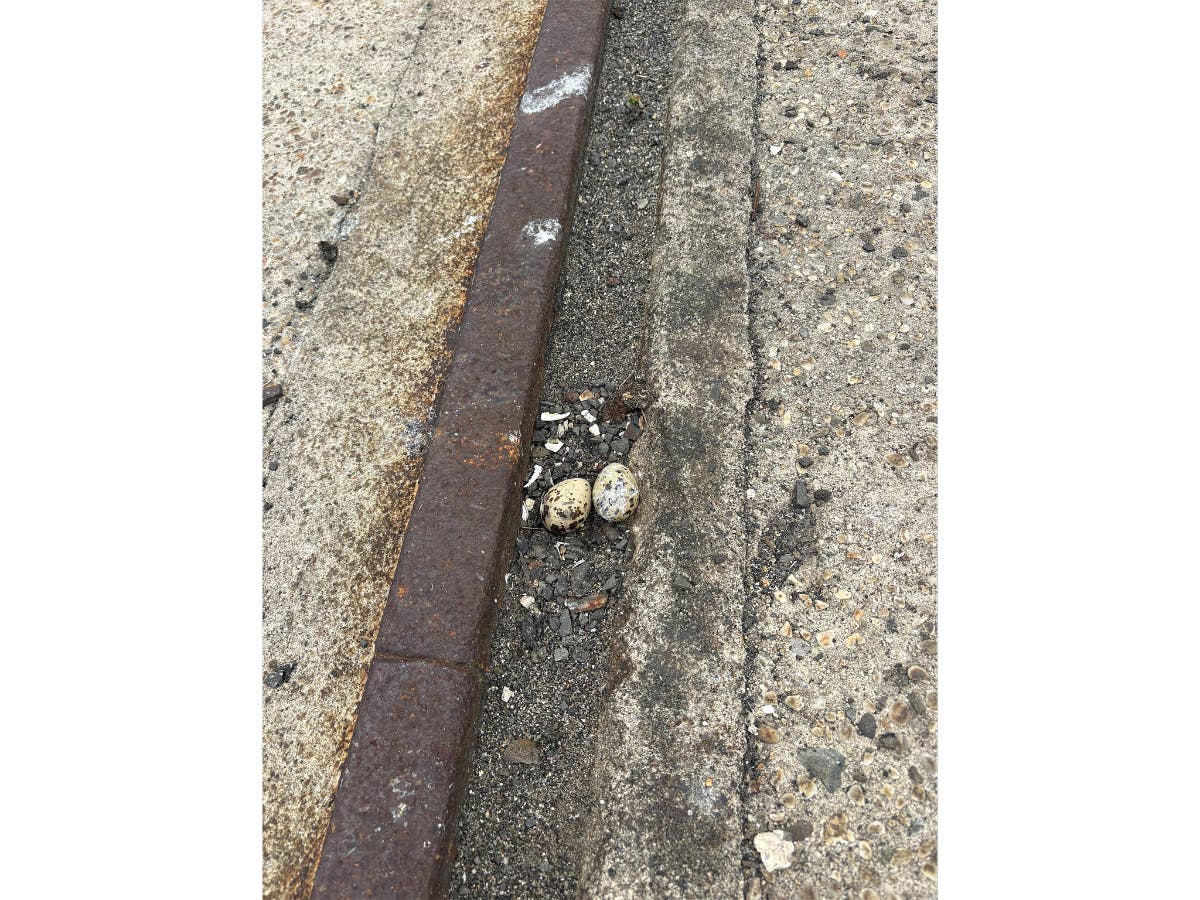
HOBOKEN, NJ — Hoboken bird-lovers have spent the last two years protecting a tern colony that returns annually to a pier on the north waterfront.
Last year, the group Our Tern even hosted art exhibits and activities around the terns.
But over the weekend, at least five of the birds were discovered killed, group members told Patch.
Find out what's happening in Hobokenfor free with the latest updates from Patch.
"Yesterday, we discovered that the colony had suffered a major setback," wrote group member Juan Melli on social media on Saturday. "All of the chicks that had hatched so far, about five or six, were found dead. Most of the adult terns had dispersed from the pier. It appears to have been a natural predator.
"Based on scat found at the site and recent fox sightings nearby, a fox may have been involved...But it is also part of the reality of trying to help wildlife recover in a dense urban environment."
Find out what's happening in Hobokenfor free with the latest updates from Patch.
He noted, "The terns came here because the Hudson River is healthier and full of food. A fox can survive here for the same reason. That is what a recovering ecosystem looks like: beautiful, complicated, and sometimes brutal."
A Hopeful Sign
Hoboken bird enthusiast Jeff Train, who has led several walks to the site, subsequently told Patch that there's a silver lining.
Over the last few days, the adult terns were seen returning to the pier after fleeing.
"The excitement of birds returning, demonstrating behaviors of attempting to salvage their eggs and engage in courtship behavior, and the elation of realizing that all of the birds didn’t just altogether leave," he said, " it’s been a reassuring reminder of nature’s resiliency."
He said, "We are learning so much, and it will make the creation of a permanent nesting site all the more precious and meaningful."
Learn more about Our Tern here and here.
Get more local news delivered straight to your inbox. Sign up for free Patch newsletters and alerts.