Health & Fitness
Less Can Be More: How Breast Cancer Surgery is Becoming Less Invasive
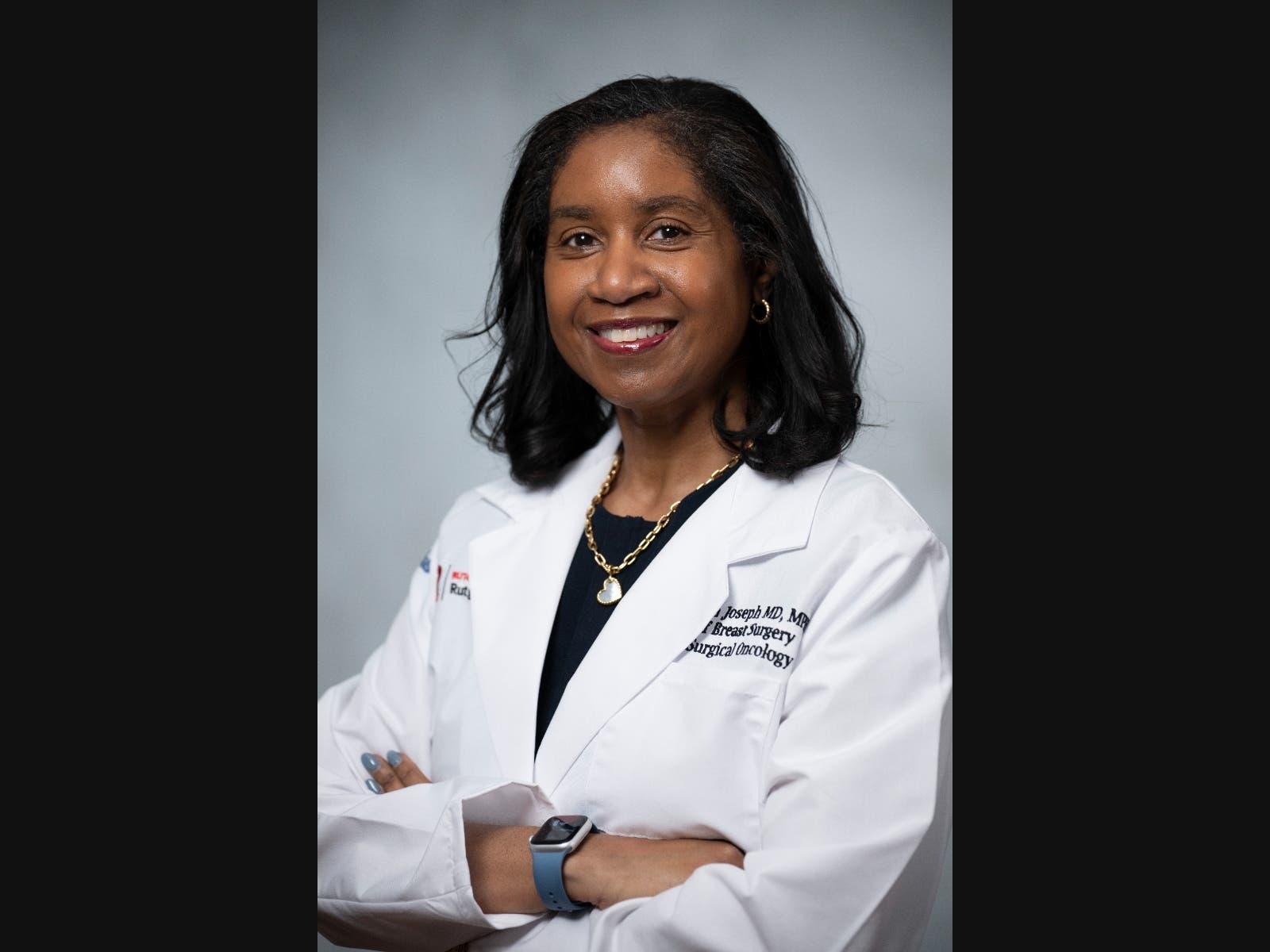
By Kathie-Ann Joseph, MD, MPH, FACS, System Director of Breast Surgical Services, RWJBarnabas Health and Rutgers Cancer Institute

For many patients diagnosed with breast cancer, the first instinct may be to pursue the most aggressive treatment possible. But advances in breast cancer care have changed what treatment can look like, and extensive surgery is not always necessary. More effective therapies, innovative surgical techniques and a better understanding of which patients benefit from specific approaches are allowing doctors to tailor treatment, providing each patient with the care that is most appropriate for them.
The move toward less invasive surgery extends beyond the breast itself. Surgeons have reconsidered how aggressively lymph nodes under the arm need to be removed. Landmark trials have shown that some women with limited cancer in the sentinel lymph nodes can safely avoid a full axillary lymph node dissection. More recent trials are going a step further, examining whether certain patients with early-stage, clinically node-negative breast cancer can avoid sentinel lymph node surgery altogether.
Advances in medical treatment have also changed the role of surgery. Chemotherapy, targeted therapies, and immunotherapy can be given before surgery for certain breast cancers. These treatments may shrink the tumor, while also giving the care team important information about how the cancer responds. In some cases, that response can affect the type and extent of surgery a patient ultimately needs.
Find out what's happening in New Brunswickfor free with the latest updates from Patch.
New surgical techniques are also creating more options for women who do require surgery. Oncoplastic surgery combines cancer surgery with plastic surgery techniques. After the tumor is removed, remaining breast tissue can be rearranged to preserve the shape of the breast. For some patients who require a mastectomy, nipple-sparing techniques can preserve the skin, nipple and areola while breast tissue is removed, followed by reconstruction.
Choosing among these options requires close coordination across specialties. At a comprehensive cancer center, breast surgeons, medical oncologists, radiation oncologists, plastic surgeons and other specialists can review a patient’s tumor biology, stage, imaging, genetics and response to treatment together. This coordinated approach allows decisions about surgery, systemic therapy, radiation and reconstruction to be made as part of one treatment plan. RWJBarnabas Health is advancing this multidisciplinary approach across New Jersey, giving patients access to specialized expertise, advanced treatments, innovative clinical trials and comprehensive support services closer to home. By bringing these resources together, care teams can develop personalized treatment plans and support patients throughout every stage of their cancer journey.
Find out what's happening in New Brunswickfor free with the latest updates from Patch.
For patients, less invasive treatment can mean an easier recovery, fewer long-term side effects and a greater opportunity to preserve the breast when it is medically appropriate.As breast cancer care continues to evolve, the focus is increasingly on matching treatment to the individual patient, providing the surgery and therapies needed to effectively treat the cancer.
To schedule a mammogram, connect with a breast cancer specialist or learn more about breast cancer prevention, screening and treatment, visit rwjbh.org/mammo .RWJBarnabas Health, together with Rutgers Cancer Institute, New Jersey’s only National Cancer Institute-designated Comprehensive Care Center, provide access to nationally recognized breast cancer experts, advanced treatment options and clinical trials.