Health & Fitness
Here's Why You Shouldn't Delay a Colonoscopy
Colonoscopies are among medicine's most powerful tools for preventing and detecting colorectal cancer.

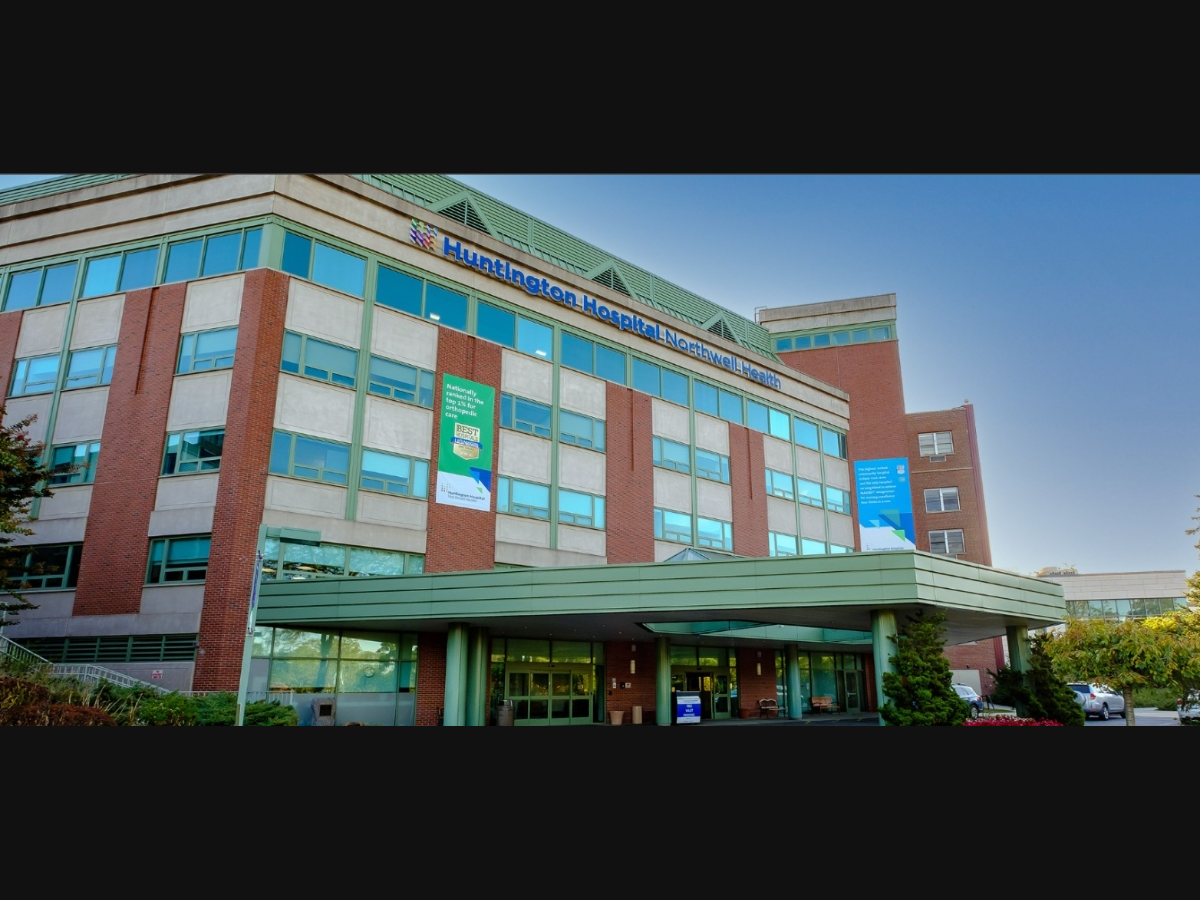
By Dr. David Rivadeneira
Colonoscopies are among medicine's most powerful tools for preventing and detecting colorectal cancer. If your doctor has recommended one, it’s critical advice aimed at safeguarding your long-term health. Understanding its importance can empower informed decision-making.Colorectal cancer is the third most common cancer diagnosed in both men and women, yet it is also one of the most preventable.
The key lies in identifying and removing precancerous growths called polyps. These small growths in the colon lining can, over time, transform into malignant tumors.
Find out what's happening in Huntingtonfor free with the latest updates from Patch.
A colonoscopy allows a gastroenterologist or colorectal surgeon to visually inspect the entire colon and rectum. If polyps are found, they are usually removed immediately during the same procedure, effectively stopping cancer before it even begins.
This active prevention is the procedure's greatest strength. Furthermore, a colonoscopy is invaluable for early detection. Finding cancer at an early stage significantly increases successful treatment and survival chances, especially since symptoms often appear only when the disease is advanced.Many hesitate due to concerns about the preparation or the procedure itself.
Find out what's happening in Huntingtonfor free with the latest updates from Patch.
The bowel preparation, involving a special diet and laxative, is arguably the most challenging part. While inconvenient, it’s essential for a clear view of the colon. This temporary discomfort pales in comparison to the potential consequences of undetected cancer.
The procedure is typically performed under sedation; you will be asleep or deeply relaxed and feel no pain. The examination usually takes about 20 minutes.. Medical professionals prioritize your comfort and privacy, focusing solely on your health, making any feelings of embarrassment unwarranted.
A disturbing trend which has been seen over the last decade is a significant increase in colon and rectal cancer in patients less than 50 years of age. That's why the recommendation is to have your initial colonoscopy at the age of 45 without any predisposing/high risk factors, including a family history of colorectal cancer or polyps, a personal history of inflammatory bowel disease, or concerning symptoms like changes in bowel habits, rectal bleeding, abdominal pain or unexplained weight loss.
Your physician assesses your individual risk profile and determines the appropriate screening schedule. Their advice is paramount to follow, as it is tailored to your unique health circumstances.Postponing a recommended colonoscopy can have serious repercussions. What might be a benign polyp today could become cancerous tomorrow. Delaying could mean the difference between a simple polyp removal and a complex cancer treatment.
Taking action when advised provides invaluable peace of mind, knowing you’ve taken proactive steps to protect your health.A colonoscopy is more than just a medical procedure; it's a powerful opportunity to control your digestive health and prevent a potentially life-threatening disease.
When your doctor recommends a colonoscopy, they are doing so with your best interests at heart, leveraging a proven method to keep you healthy. Embrace this opportunity, follow their guidance, and prioritize this essential screening. Your future self will thank you for it.
Dr. David Rivadeneira is director of Northwell Health Cancer Institute at Huntington