Health & Fitness
Four Things Professional Dementia Caregivers Would Like Every Family to Know
Caring for someone with dementia is an act of love, but it can also be one of life's greatest challenges.


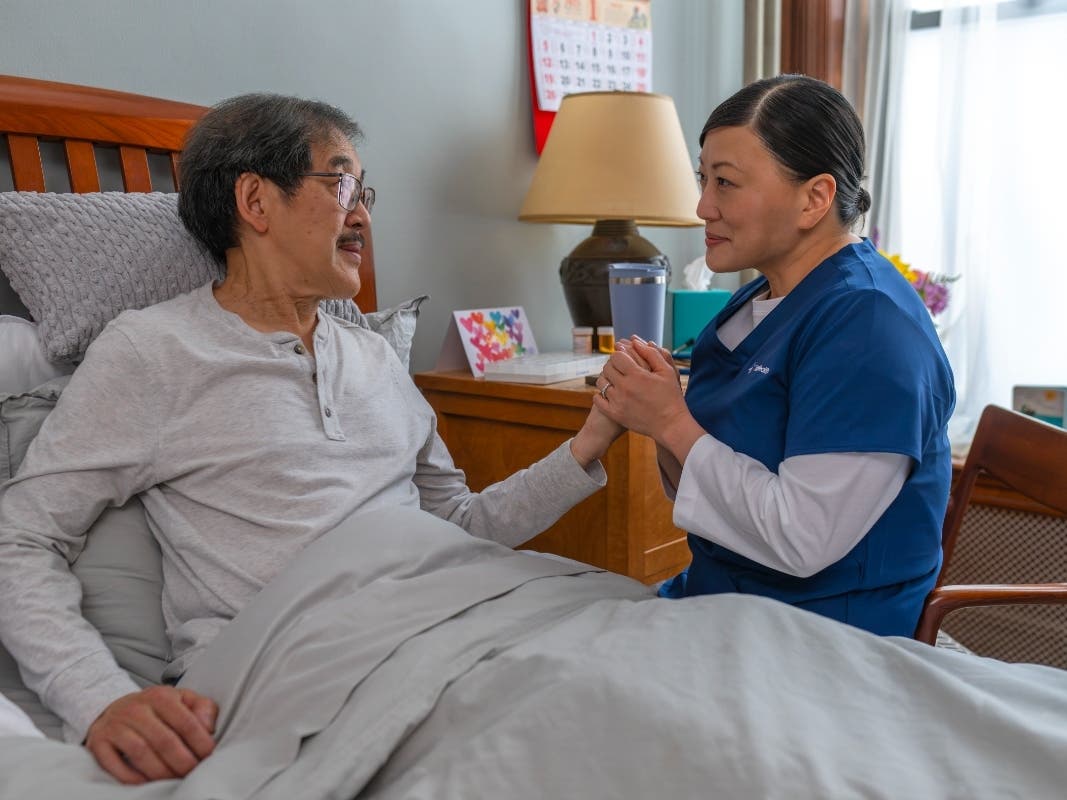
By Gloria Conde-Garan, RN, Clinical Director, VNS Health Personal Care
Caring for someone with dementia is an act of love, but it can also be one of life’s greatest challenges.
When a loved one develops memory loss and other signs of dementia, family caregivers become experts on that person. They learn what brings their loved one comfort, what causes stress, and how dementia changes someone over time. No one knows that individual better.
Find out what's happening in New York Cityfor free with the latest updates from Patch.
Professional home health aides bring a different kind of experience that’s equally important. Through specialized dementia care training and years spent caring for people from every walk of life, they learn to recognize patterns that can help people living with dementia feel calmer, safer, and more connected. After thousands of hours providing care in people’s homes, they understand that the smallest changes in communication, routine and approach can make a big difference.
At VNS Health, the nonprofit home- and community-based health care organization where I work, our teams help hundreds of families who are caring for a loved one with dementia. Our home health aides (HHAs) are on the front lines of this work, and I wanted to learn more about what advice they’d like to pass along to families, especially those who are still in the early stages of their caregiving journey. So I asked a number of experienced aides on our teams a simple question: After caring for so many people with dementia, what’s one thing that everyone caring for a loved one with dementia should know? Here’s what they told me:
Find out what's happening in New York Cityfor free with the latest updates from Patch.
When Problems Crop Up, Slow Down.
When someone with dementia is upset or confused, it's natural to want to fix the problem quickly and move on. But nearly every aide I spoke with said that slowing down works better.
Giving steady reassurance and keeping a cool demeanor are small steps you can take to help someone feel safer and less upset. As HHA Mabel Weather explains, "When the patient is having a bad day, I give them space, let them calm down for a bit, and then continue whatever activities we will do."
Lean In to What's Familiar
One thing experienced caregivers know is that familiar things help people feel safe. Simple, regular routines like a daily walk or enjoying the same breakfast every morning can lower anxiety in someone with dementia and make it easier to connect with them. Routine doesn't have to mean doing the exact same thing every day. Rather, it’s about consistently turning to things that bring you and your loved one comfort and joy.
This includes revisiting favorite memories and activities. As HHA Sandra Simson says, "Give them a lot of love and attention, and also a chance to express themselves. Patiently listen to their stories or sing their favorite song with them."
Connect Before You Correct
When memory and perception change, emotional connection is often more important than factual accuracy. Professional caregivers focus first on preserving trust. If your loved one remembers something differently, correcting every detail can make them upset. Don't worry about being “right,” but instead shift your focus to helping the person feel safe and cared for.
"The first thing I do is make sure the patient acknowledges that I'm there with them," says HHA Michelle Boyer. "Eye-to-eye contact and hand gestures are also a very important part of making the patient feel comfortable and helping them understand what is going on or what we are going to do."
Caring for someone with dementia is never easy and no caregiver gets it right every day. But often, it’s these small gestures of kindness that make all the difference.
Take Time for Yourself
Professional caregivers often work in teams. Family caregivers typically do not. That’s why even a brief pause to take a deep breath, regroup, or ask for help is an important component of good caregiving. Taking a break or even arranging for a longer stretch of respite care so you can get away for a time and recharge, doesn’t mean you’ve failed. Caring for yourself is an essential part of caring for your loved one.
After thousands of hours spent caring for people with dementia, professional caregivers like Mabel, Sandra and Michelle have found that small adjustments like the ones discussed here can often have the biggest impact. The journey for dementia caregivers has its share of ups and downs—but drawing on the expertise of home health aides and other health care professionals can make that journey easier for you and your loved one and help you feel a little less alone when challenges arise.
And remember—it’s ok to ask for help.
For more information about VNS Health dementia care resources and services www.vnshealth.org/homecare/dementia-care-nyc/