Health & Fitness
These Fruits, Vegetables May Be Linked To PA's Growing Parasite Outbreak
Cases involving the foodborne parasite continue to grow.


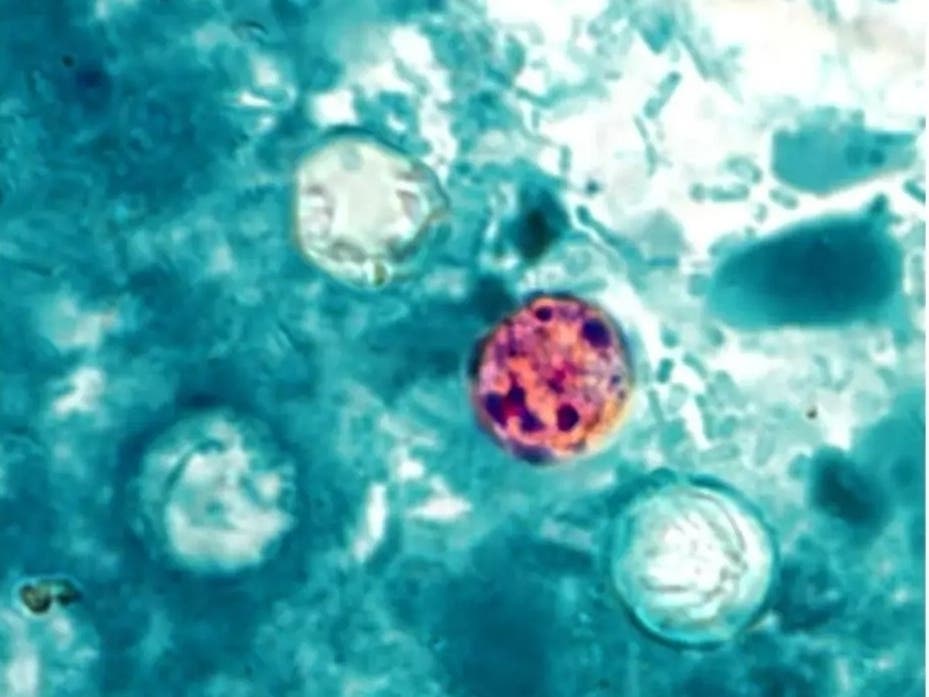
The ongoing and growing cyclosporiasis has reached 19 cases in Pennsylvania, the Department of Health told Patch Monday.
It's not clear exactly where in the state the foodborne parasite, which causes watery diarrhea, has spread. The number of cases was listed at "between 1 and 10" by the Centers for Disease Control and Prevention last week.
It has led to illnesses in at least 17 states, according to the CDC.
Find out what's happening in Across Pennsylvaniafor free with the latest updates from Patch.
2025 saw 40 cases in Pennsylvania all told.
"Pennsylvanians are most likely to be infected after eating fresh produce imported from tropical and subtropical regions where cyclosporiasis regularly occurs, or while traveling to those regions," the Department of Health said.
Find out what's happening in Across Pennsylvaniafor free with the latest updates from Patch.
There appears to be a concentration of the cases in south and central Michigan, with more than 500 cases reported, according to authorities there.
Cases can occur year round, state officials added, but are most likely in the spring and summer.
Symptoms usually begin about a week after someone consumes contaminated food or water, though they can appear as soon as two days or more than two weeks later.
Though no specific produce grower/supplier or specific produce type has been identified as the source of the outbreak, Cyclospora infections have repeatedly been tied to fresh produce in previous outbreaks. Some of those items include bagged salad mixes and kits, fresh cilantro, fresh basil, raspberries, snow peas, and green onions, also known as scallions.
That list does not mean those foods have been identified as the source of the Pennsylvania cases. The CDC said investigations to identify potential sources are ongoing.
Officials recommend the following steps to reduce risks of exposure:
- Lettuce/leafy greens: Buy whole heads of lettuce (rather than prewashed, bagged lettuce or salad mixes), throw away the outer 2–3 layers of leaves and wash the inner leaves under running water. For leafy greens that can be cooked, cooking is the safest option.
- Cilantro, basil: Wash thoroughly under running water, separating the leaves. Safest when cooked.
- Green onions: Trim the root end and remove the outer layer, wash thoroughly under running water. Safest when cooked.
- Raspberries: Their bumpy surface makes them especially hard to clean; the parasite can hide in the tiny crevices. Safest when cooked (pies, jams etc.). Consider frozen raspberries as an alternative (freezing may reduce but does not guarantee elimination of the parasite).
- Snow peas: Wash under running water and rub the surface. Safest when cooked.
Cyclosporiasis is not usually life-threatening, but dehydration from frequent bouts of diarrhea can cause severe illness, particularly among younger or older people and those who have weakened immune systems.
With reporting from Patch correspondent Dylan Siwicki
Get more local news delivered straight to your inbox. Sign up for free Patch newsletters and alerts.