Community Corner
7 Ways a Roof Replacement in San Antonio Can Lower Your Energy Bills
A modern roof upgrade can cut cooling costs, improve insulation, and keep San Antonio homes more energy-efficient year-round.
This is a paid post contributed by a Patch Community Partner. The views expressed in this post are the author's own, and the information presented has not been verified by Patch.
San Antonio homeowners know what summer heat feels like. Average highs reach 95 to 100 degrees from June through August. Air conditioning accounts for a massive chunk of monthly utility costs during those months. The U.S. Energy Information Administration reports that Texas households spend an average of $175 per month on electricity, with cooling making up nearly half of that total during peak summer.
Your roof plays a bigger role in those numbers than you might think. An aging or poorly performing roof lets heat pour into your home and forces your HVAC system to work overtime. Patching problems with a simple roof repair might fix a leak, but it will not improve your roof's energy performance. A roof replacement in San Antonio gives you the chance to upgrade materials, improve ventilation, and cut energy costs for decades.
Here are seven specific ways a new roof lowers your energy bills.
1. Modern Shingles Reflect More Solar Heat
Older shingles absorb sunlight and transfer that heat directly into your attic and living spaces. Modern architectural shingles use reflective granule technology that bounces a larger percentage of solar radiation away from the roof surface.
The Cool Roof Rating Council rates roofing products based on solar reflectance and thermal emittance. Shingles with higher ratings keep your roof surface cooler by 20 to 40 degrees compared to standard dark-colored shingles from 15 or 20 years ago.
That temperature difference translates directly into lower cooling costs. Your AC unit runs fewer cycles per day, which reduces both electricity consumption and wear on the system.
2. Better Underlayment Creates a Thermal Barrier
The underlayment sits between your shingles and the roof decking. Older roofs often use basic felt paper that provides minimal thermal resistance. Modern synthetic underlayment products offer superior moisture protection and better thermal performance.
Some premium underlayment options include radiant barrier properties that reflect heat away from the decking. In a city like San Antonio where roof surface temperatures regularly exceed 150 degrees in summer, that extra barrier makes a measurable difference in attic temperatures.
Your contractor should discuss underlayment options during the planning phase. This layer costs relatively little compared to the overall project but delivers long-term energy savings.
3. Proper Ventilation Reduces Attic Heat Buildup
A roof replacement in San Antonio should always include a ventilation assessment. Many older homes in the area lack adequate ridge vents, soffit vents, or a balanced airflow system.
Without proper ventilation, attic temperatures climb well above 150 degrees on a hot day. That trapped heat radiates down through your ceiling and into your living spaces. Your air conditioner fights that extra heat load all day long.
A balanced ventilation system allows cool air to enter through the soffit vents and hot air to escape through the ridge vents. This continuous airflow keeps attic temperatures much closer to the outside air temperature. The U.S. Department of Energy estimates that proper attic ventilation can reduce cooling costs by 10% to 15%.
4. Eliminating Gaps and Leaks Stops Conditioned Air Loss
An old roof develops gaps, cracks, and separations over time. These openings allow conditioned air to escape and outside air to enter. You essentially pay to cool air that leaks right out of your home.
During a roof replacement, your contractor removes the old material and inspects the entire decking surface. They seal gaps, replace damaged sections, and install new flashing around every penetration point. This process tightens up the building envelope and reduces air infiltration.
The Environmental Protection Agency estimates that air leaks account for 25% to 30% of heating and cooling energy use in a typical home. Sealing those leaks during a roof replacement delivers immediate savings on your monthly bills.
5. Metal Roofing Reflects Heat and Lasts Longer
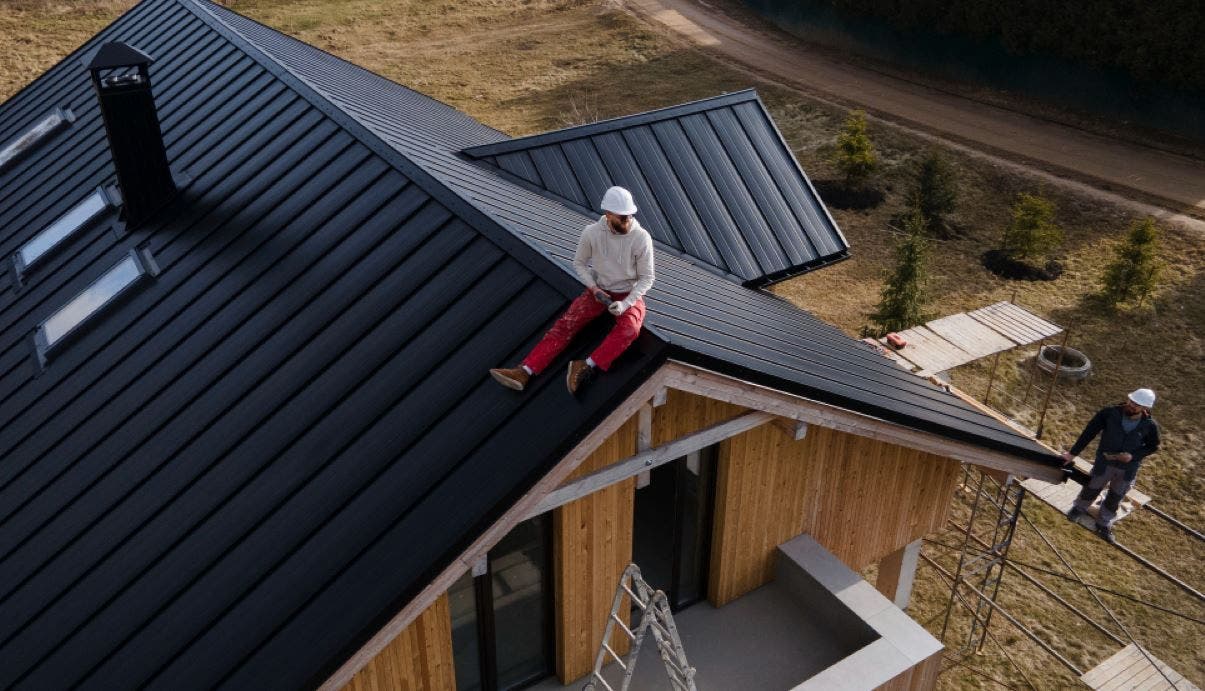
Metal roofing has gained serious popularity in San Antonio over the past five years. Standing seam metal panels reflect a significant percentage of solar radiation and re-emit absorbed heat faster than asphalt shingles.
The Metal Roofing Alliance reports that metal roofs can reduce cooling costs by 20% to 25% compared to traditional asphalt. In a city where air conditioning runs six to seven months per year, those savings add up fast.
Metal roofs also last 40 to 70 years with minimal maintenance. Compare that to 20 to 25 years for asphalt shingles. The higher upfront cost pays back through decades of lower energy bills and fewer replacement cycles.
6. Lighter Roof Colors Lower Surface Temperatures
Color choice affects energy performance more than most homeowners expect. Dark-colored roofs absorb up to 90% of solar energy. Light-colored roofs absorb as little as 30% to 50%.
That difference can mean 30 to 40 degrees of surface temperature variation on a July afternoon in San Antonio. A cooler roof surface means a cooler attic, which means less work for your air conditioning system.
If your HOA or neighborhood guidelines allow it, choosing a lighter shingle or metal panel color is one of the simplest ways to lower your energy bills after a roof replacement.
7. New Insulation Paired with a New Roof Maximizes Savings
Many contractors recommend evaluating your attic insulation during a roof replacement. Adding or upgrading insulation while the roof is open costs less than doing it as a separate project later.
The Department of Energy recommends R-38 to R-60 insulation for attics in the South Central climate zone, which includes San Antonio. Many older homes fall well below that standard.
Bringing your insulation up to current recommendations, combined with a new energy-efficient roof, creates the maximum reduction in heating and cooling costs. Some homeowners report total energy savings of 20% to 30% after completing both upgrades together.
How Much Can You Actually Save
The exact savings depend on your home size, current roof condition, and the materials you choose. But the numbers from multiple industry sources paint a consistent picture.
A homeowner spending $200 per month on electricity during summer in San Antonio could save $30 to $60 per month with a new energy-efficient roof and proper ventilation. Over 25 years, that adds up to $9,000 to $18,000 in reduced energy costs alone.
Factor in the potential for lower insurance premiums with impact-resistant materials and the resale value boost from a new roof, and the total financial return grows even larger.
Final Thought
A roof replacement in San Antonio costs between $8,500 and $16,000 for most homes. That investment does more than protect your home from rain and hail. It directly reduces the amount of energy your home consumes every single day.
Choose materials with high solar reflectance ratings. Make sure your contractor addresses ventilation and sealing. Consider lighter colors and modern underlayment options. Every detail adds up to real savings on your monthly utility bills.
Your roof and your energy bills share a direct connection. A smart replacement pays you back for years.
This post is sponsored and contributed by Roof Squad, a roofing contractor in San Antonio that works with homeowners across the Greater San Antonio area. This post was contributed by their team to help local residents understand the energy benefits of a modern roof.
This post is an advertorial piece contributed by a Patch Community Partner, a local brand partner. To learn more, click here.