Community Corner
SMART Weighs Geyserville Station On Cloverdale Extension
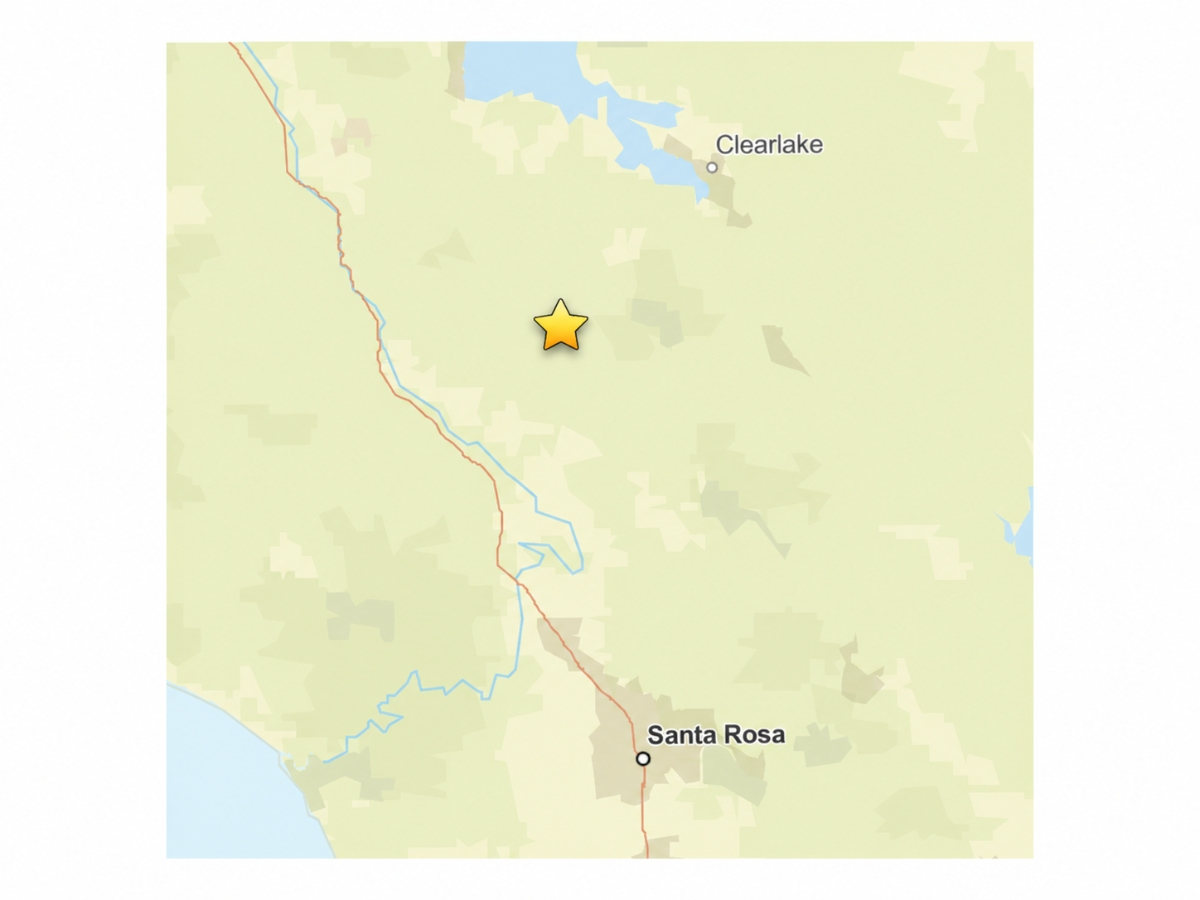
A SMART meeting Monday outlined a proposed Geyserville station that would bring passenger rail back to the community after nearly 70 years.




SONOMA COUNTY, CA — The last time a train ran through Geyserville, President Dwight Eisenhower was helping usher in America’s interstate highway era and a transportation system built around the automobile.
On Monday, residents confronted what reversing that history could mean during a largely supportive meeting on a proposed SMART station near Highway 128 and Remmel Road.
For the community hall full of residents waiting to hear from SMART about transportation, parking, construction costs, public safety, and the practical effects of bringing passenger trains back to town, much of the case for a station came down to everyday transportation.
Find out what's happening in Healdsburgfor free with the latest updates from Patch.
Geyserville has limited retail and no full-service grocery store, leaving many residents dependent on trips to Healdsburg, Cloverdale, and communities farther south.
Besides a car, the bus is the only motorized way in and out of town.
Find out what's happening in Healdsburgfor free with the latest updates from Patch.
Darcy Muscatel and Tim Yeakel said they have wanted passenger rail service in Geyserville for decades. Commuting to work and shopping has meant driving north or south.
“It just makes sense because it's such a long trip from Healdsburg to Cloverdale” Muscatel said.
The proposed station would sit less than a quarter-mile from connecting Sonoma County Transit bus service, according to SMART, and Muscatel said rail could give teenagers another way to travel.
“They can stick their bikes on there, and they can ride the train out to Healdsburg,” she said. The train would also make trips to the Charles M. Schulz–Sonoma County Airport more accessible.
A Geyserville resident who attends Santa Rosa Junior College, and travels south for school and work, said the bus provides an important connection but takes “multiple hours.”
“I appreciate the fact that the bus exists,” the student said. “The train is gonna be even better.” The student declined to give his name.
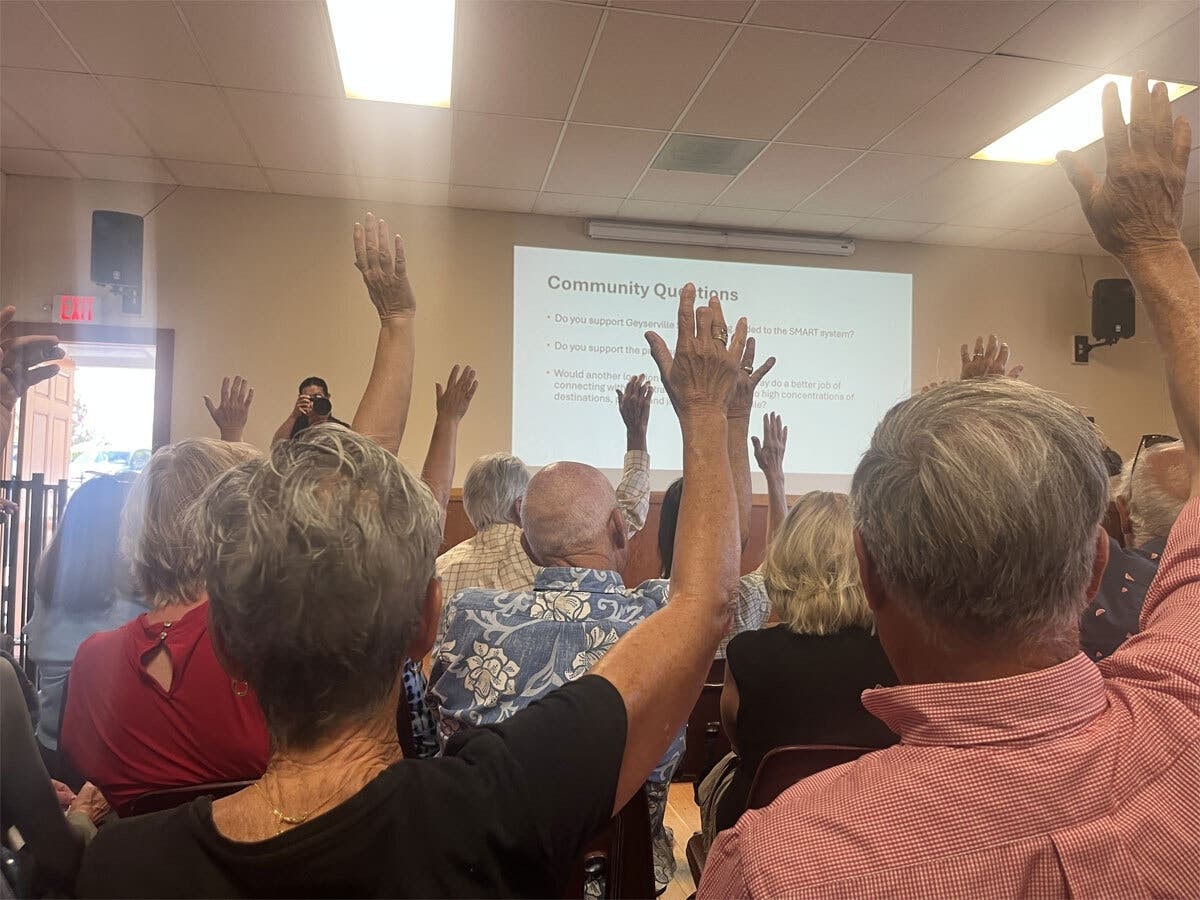
Arms shot up when SMART executives asked for a show of hands from people in the crowd who want a station in Geyserville. However, not everyone embraced the project. Geyserville resident John Spiker challenged the economics of expanding passenger rail through sparsely populated North County, calculating construction spending on a per-resident basis and arguing that residents should consider what else public money could fund.
His comments drew immediate pushback from attendees who noted that SMART already intends to extend the railroad to Cloverdale, meaning trains would travel through Geyserville regardless of whether they stop there.
For SMART officials, the move through Geyserville could help solve one of the biggest obstacles to extending passenger rail north: paying for the roughly 18 miles between Healdsburg and Cloverdale.
“When you go and try to get one big grant for an 18-mile extension, that is a very tall lift,” SMART General Manager Eddy Cummins said.
“Going out and getting a grant for half of that is much, much easier to do," Cummins said.
A Geyserville station would sit roughly halfway between Healdsburg and Cloverdale, allowing SMART to divide the extension into smaller segments and compete for grants incrementally, officials said.
“The truth is this project would not slow down Cloverdale,” Cummins told the crowd. “It actually helps.”
The Geyserville stop was not always possible. SMART's original governing legislation barred facilities in unincorporated Sonoma County north of Healdsburg, effectively preventing a Geyserville station. Senate Bill 904, authored by then-Sen. Bill Dodd, D-Napa, and signed into law in 2024, removed that restriction.
The return of passenger trains could force SMART and some property owners to sort out uses of the railroad corridor that developed during decades without regular passenger service.
Years of inactivity have left driveways, utilities, crossings, fences, and other uses within or across portions of SMART's right of way.
Some crossing agreements have expired, while people in other locations may have come to rely on land within the railroad right of way.
Nina Diamzon, who works with stakeholders involved in these issues, said the agency encounters properties where access or other uses extend into its right of way. “Most of the time we resolve the issues,” she said.
Push and pull
The push and pull of the station carries particular weight in Geyserville, a town of about 800 that retains its small-town character while becoming an increasingly popular Wine Country destination.
Restaurants such as Diavola, Catelli's, Pastasciutta, and the Geyserville Gun Club routinely draw visitors from around the Bay Area and beyond. Cyrus and the nearby River Rock casino add to the area's tourism economy, and the casino has expansion plans.
That growth captures a familiar Wine Country tension: Visitors bring customers and money, but they also bring traffic, noise, parking pressures, and greater demands on local infrastructure. A SMART station could amplify both sides of that equation.
On the flip side, supporters argued a station could bring workers and visitors into Geyserville while connecting the town to destinations elsewhere along the SMART corridor.
One attendee said North County communities should capitalize on those connections rather than compete for visitors.
“Let's collaborate because we're looking for the same customers,” he said. “Let's not fight against them. Let's work together to enhance all of us.”
But Geyserville residents have watched neighboring communities along the SMART route adjust to the tradeoffs that can accompany passenger rail, which confront their small town.
A Geyserville man questioned what could happen when trains drop passengers in Geyserville late at night.
He meant indigent people riding the train into Geyserville, although late-night tourists who have had too much to drink ending up at the station also came up during the 2-hour event. Noise from the trains and people also made it onto the list of topics that neighbors said they had considered.
If problems develop, the Sonoma County Sheriff's Office and community leaders could respond, said Tom Schwedhelm, the former Santa Rosa mayor (and police chief), who is now a District 4 Sonoma County supervisor candidate.
“I have not heard of any problems associated with this that would be insurmountable,” Schwedhelm said, meaning the hypothetical unwanted riders left at SMART stations. “I see it as an asset and a value add to everyone in Sonoma County."
Next steps
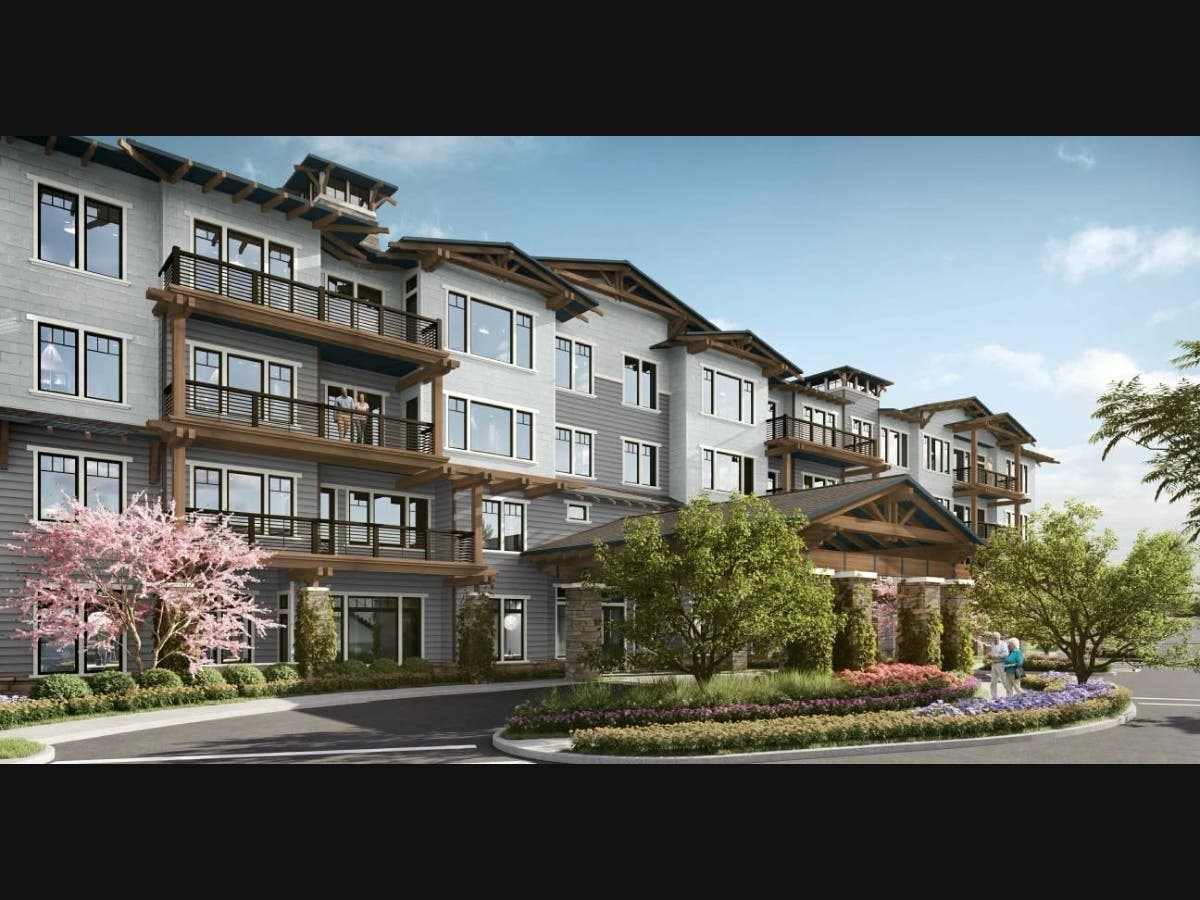
SMART's plans suggest the agency is preparing for at least some of those demands. The proposed station would include shelters, bicycle parking, passenger amenities, and automobile parking in addition to the boarding platform.
SMART staff plan to take the community's feedback to the agency's board of directors Aug. 19 with a recommendation on whether to add the station to the system plan.
Approval would not trigger construction. SMART would still need to incorporate the project into the regional transportation plan, continue project development, and secure funding.
In the meantime, Connie White said she has been waiting a long time to see the station come north. White said she advocated for the Cloverdale connection at a SMART board meeting 16 years ago, when questions already surrounded whether the agency could afford to complete the system.
Sixteen years later, White said, her position has not changed.
“I still want it to go all the way to Cloverdale.”
Get more local news delivered straight to your inbox. Sign up for free Patch newsletters and alerts.