Crime & Safety
Oil-Laced Water From Long Beach Pipeline Rupture Entered LA River, State Officials Confirm
State officials confirmed the discharge entered the river through a storm drain, contradicting the Fire Department's earlier account.


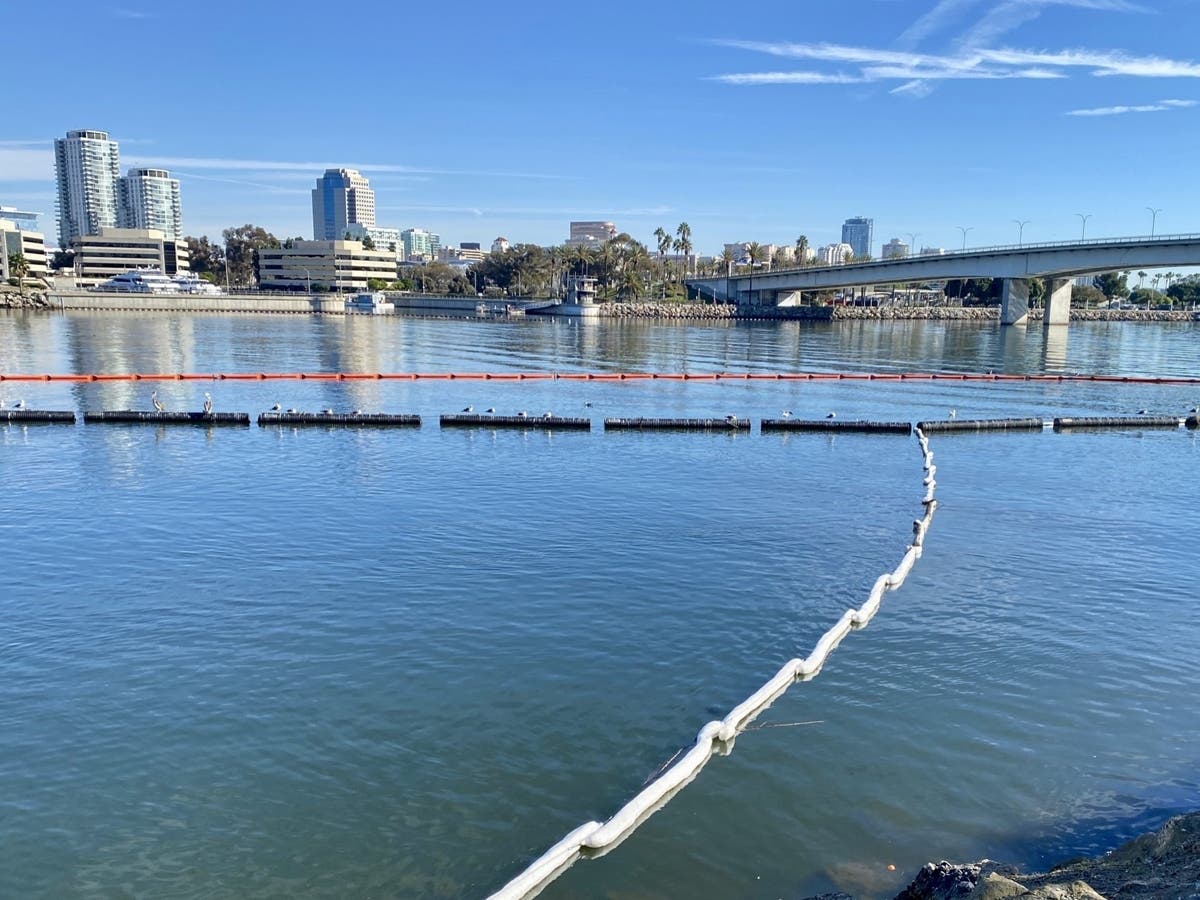
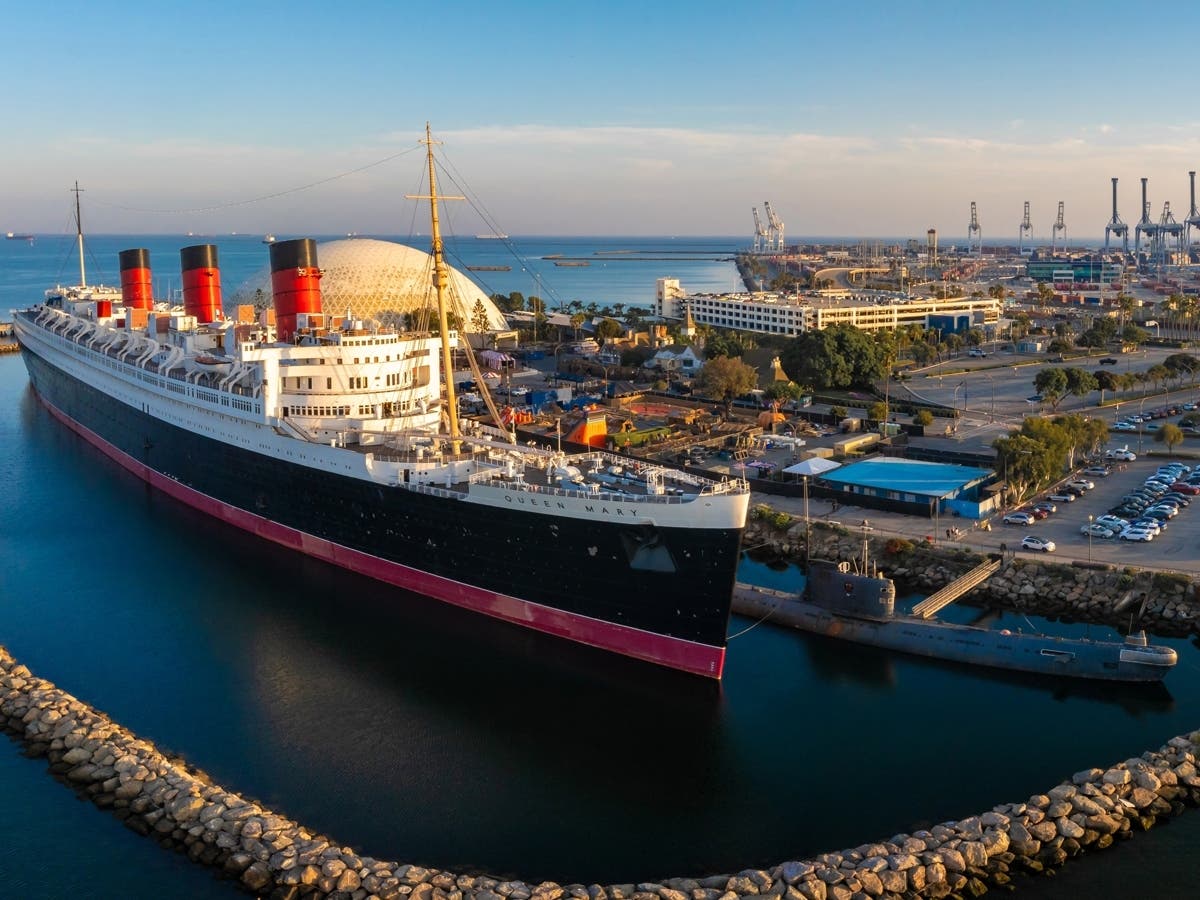
LONG BEACH, CA — Oil-containing water released when a pipeline ruptured near the Queen Mary on Saturday night flowed into the Los Angeles River through a storm drain, state environmental officials confirmed to Patch on Tuesday, contradicting portions of the Long Beach Fire Department's earlier account of the incident.
Preliminary estimates indicate approximately one gallon of crude oil was released from the pipeline, although the total volume of contaminated water and the quantity that entered the river remain under investigation, according to the California Department of Fish and Wildlife's Office of Spill Prevention and Response (OSPR).
State personnel responded to the incident Saturday night and returned to the area Sunday and Monday, verifying that cleanup objectives in the river had been met. No visibly oiled wildlife was observed. The revelations follow Patch's review of hazardous materials records obtained through the California Governor's Office of Emergency Services' spill database, which show that Tidelands Oil Production Co. initially reported that no waterways had been affected before revising its account later that evening.
Find out what's happening in Long Beachfor free with the latest updates from Patch.
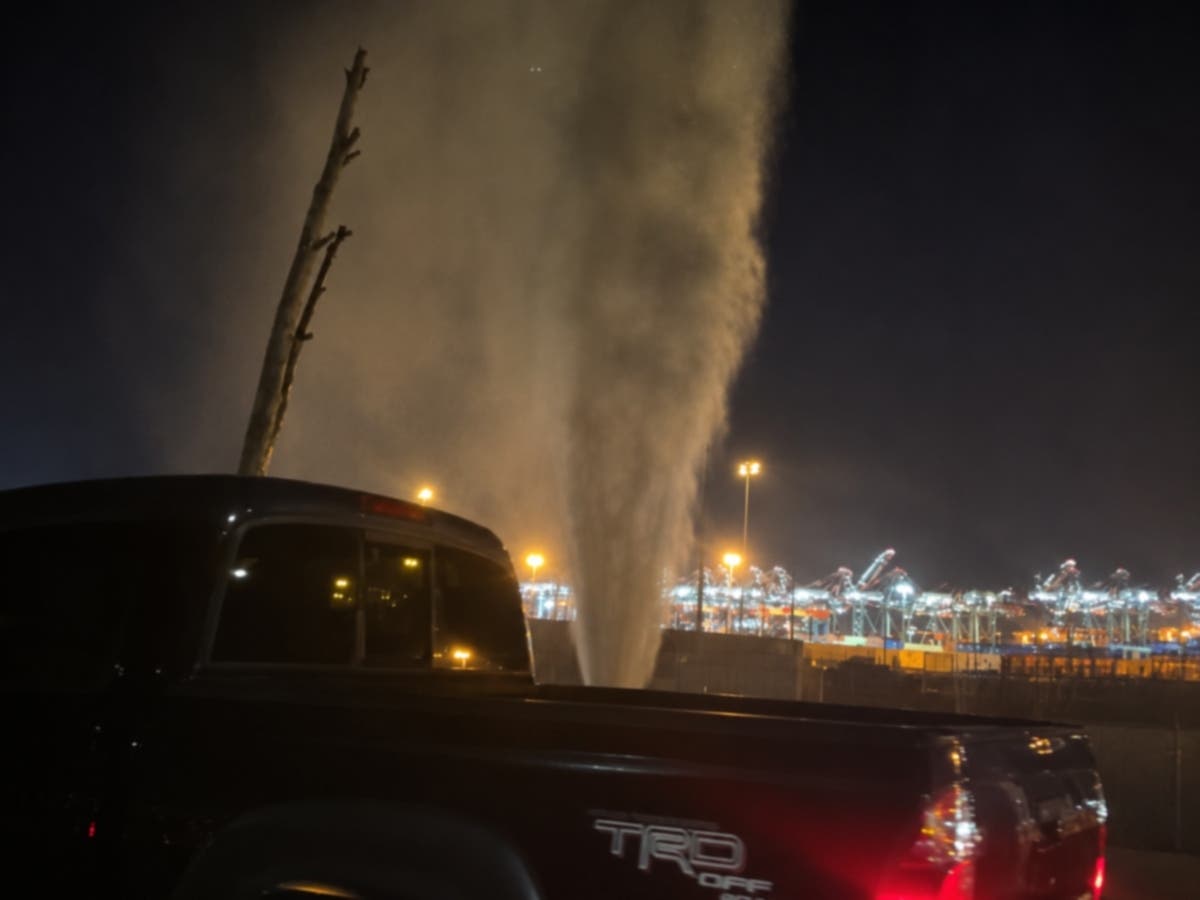
The rupture occurred Nov. 21 along Pico Avenue, coinciding with the second night of the Dreamstate festival near the Queen Mary. Eyewitness footage obtained by Patch from a witness, @paul8307, shows a towering geyser of liquid erupting behind a passing traffic.
Company Revised Initial Spill Report
The initial hazardous materials report, recorded by Cal OES at 7:13 p.m. Saturday under incident control No. 26-6060, identified the discharged material as injection water containing traces of oil, although the precise concentration was unknown.
Find out what's happening in Long Beachfor free with the latest updates from Patch.
According to that notification, the release may have begun around 6:50 p.m. and was stopped at 7:10 p.m. Tidelands initially reported that the discharge had affected an asphalt roadway and surrounding soil but had not reached any waterways or storm drains. At 9:16 p.m., however, the company provided state authorities with an update that significantly altered the reported extent of the spill.
"Some of the released material did enter the Los Angeles River," the updated report states.
Tidelands also corrected its initial description of the damaged infrastructure, reporting that the leak had occurred inside a vault in an 8-inch underground pipeline rather than an above-ground line. A subsequent update, recorded at 9:44 p.m. and referencing National Response Center report No. 1479247, also reported that the material had reached a nearby waterway. Neither update quantified the discharge.
State Personnel Responded Over 3 Days
In a statement Monday, OSPR described the discharged material as primarily produced water mixed with crude oil, which spilled onto the roadway, into a storm drain leading to the Los Angeles River and onto a nearby parking lot. In two subsequent emails to Patch on Tuesday, the agency confirmed that the mixture had entered the river through the storm drain and provided additional details about the environmental response.
"I confirmed we did have a response team member on scene Saturday night," an OSPR spokesperson told Patch. "We also had response team members on site to follow up Sunday and Monday."
The state's response involved an oil spill prevention specialist, a wildlife officer and an environmental scientist, who attended the site at various times. The spokesperson confirmed that the agency's cleanup objectives for the river had been met, explaining that OSPR's role was to ensure petroleum was removed from the waterway.
"Preliminary reports indicate approximately 1 gallon of oil was released from the pipeline," the spokesperson said.
That estimate refers to the overall oil discharge from the pipeline, not specifically the amount that entered the river. An investigation to establish the total quantities of produced water and oil released remains underway, with updated figures expected to be published through Cal OES.
Conflicting Accounts Of Emergency Response
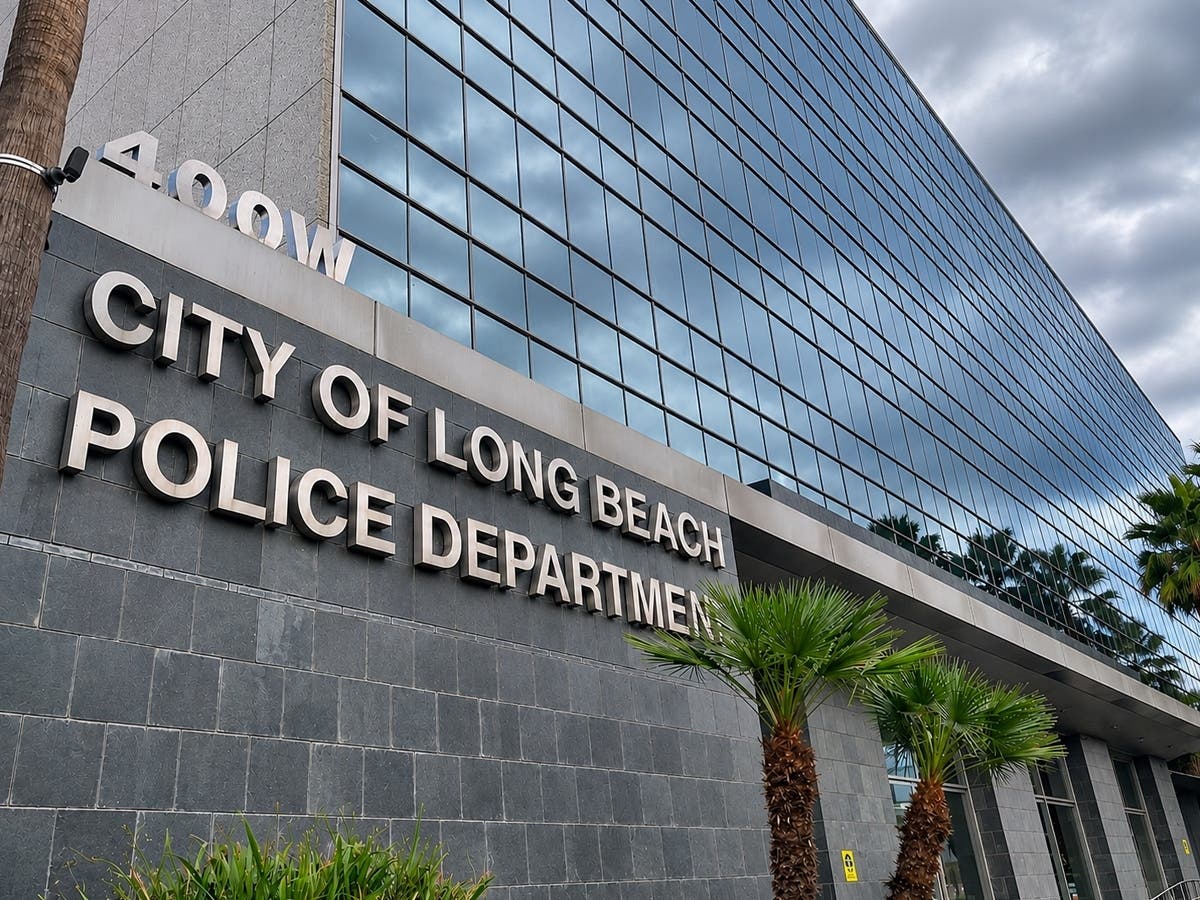
Long Beach Fire Department spokesperson Brian Fisk told Patch on Monday that firefighters helped identify the party responsible for the pipeline, which shut down the line and arranged for a contractor to handle the cleanup. Police temporarily closed roads in the area while crews worked.
Fisk said no injuries were reported, cleanup had been completed and traffic restrictions had been lifted, although he could not confirm whether the pipeline had been repaired. However, he also said the U.S. Coast Guard and California Department of Fish and Wildlife had been notified but did not respond, citing the absence of storm drain involvement.
OSPR's subsequent confirmation that the discharge reached the river through a storm drain and that state personnel physically attended the incident Saturday differs from that account. There is also an unresolved discrepancy in the reported timeline. Fisk placed the pipeline breach at approximately 8:53 p.m., more than an hour and a half after the company reported to state authorities that the release had been stopped.
Patch contacted the Long Beach Fire Department again Tuesday, providing the state spill report and OSPR's written response and requesting clarification of the discrepancies. Patch also sought additional information from Tidelands Oil Production Co.
While state officials have confirmed that river cleanup objectives were met and no visibly oiled wildlife was observed, the full extent of the discharge remains unknown. The underlying cause of the pipeline failure, the final volume of material released and the quantity that entered the Los Angeles River have yet to be established.