Arts & Entertainment
‘Backrooms’ Review: Kane Parsons’ Feature Debut Is a Hypnotic Descent Into Liminal Horror
Kane Parsons turns an internet-born myth into a visually gripping descent through liminal dread and modern anxiety.


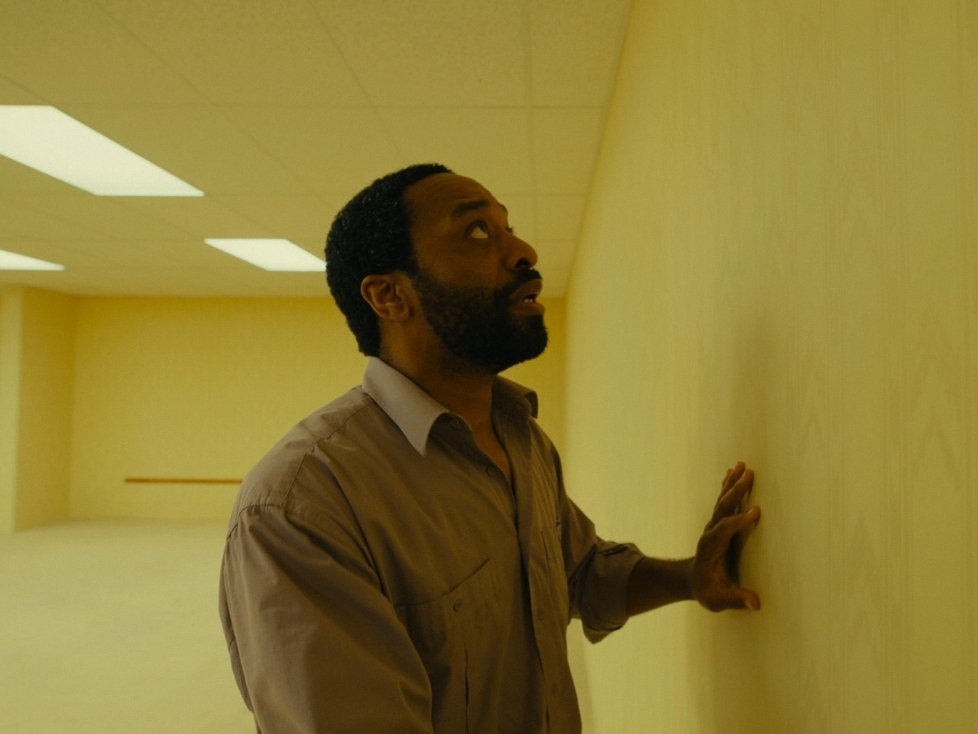
LOS ANGELES, CA — In “Backrooms,” a mysterious doorway becomes a threshold into an uncanny space where reality dissolves into disorientation, turning the familiar quietly adversarial. From that tension, Kane Parsons shapes his feature debut into a vision of horror suspended in liminal stasis, where past and present collide in a disturbingly personal unease.
The Backrooms phenomenon began as a 2019 internet creepypasta — a single, jaundiced photo of an empty office posted to an anonymous forum. As it spread, the image became a shared hallucination, inspiring fans to imagine an endless maze beyond reality. Parsons distilled that amorphous, crowd-sourced concept in his 2022 web series, crafting tactile CG found-footage that gave the Backrooms a visual grammar and reframed it as a trap of spatial paranoia.
The young filmmaker now translates that dimension to a live-action canvas filmed almost entirely on real sets. Familiar spaces become deeply bizarre — hallways in fluorescent pallor, rooms rendered desolate, corners that distort when unobserved. The existential dread grows a spine in the hum-buzz of lights, a yellow sheen clinging to the walls, the architecture faintly predatory.
Find out what's happening in Los Angelesfor free with the latest updates from Patch.
What emerges is a hypnotic horror thriller, meticulously controlled yet eerily unmoored from time and logic — a film tuned to the faint, persistent angst beneath the everyday.
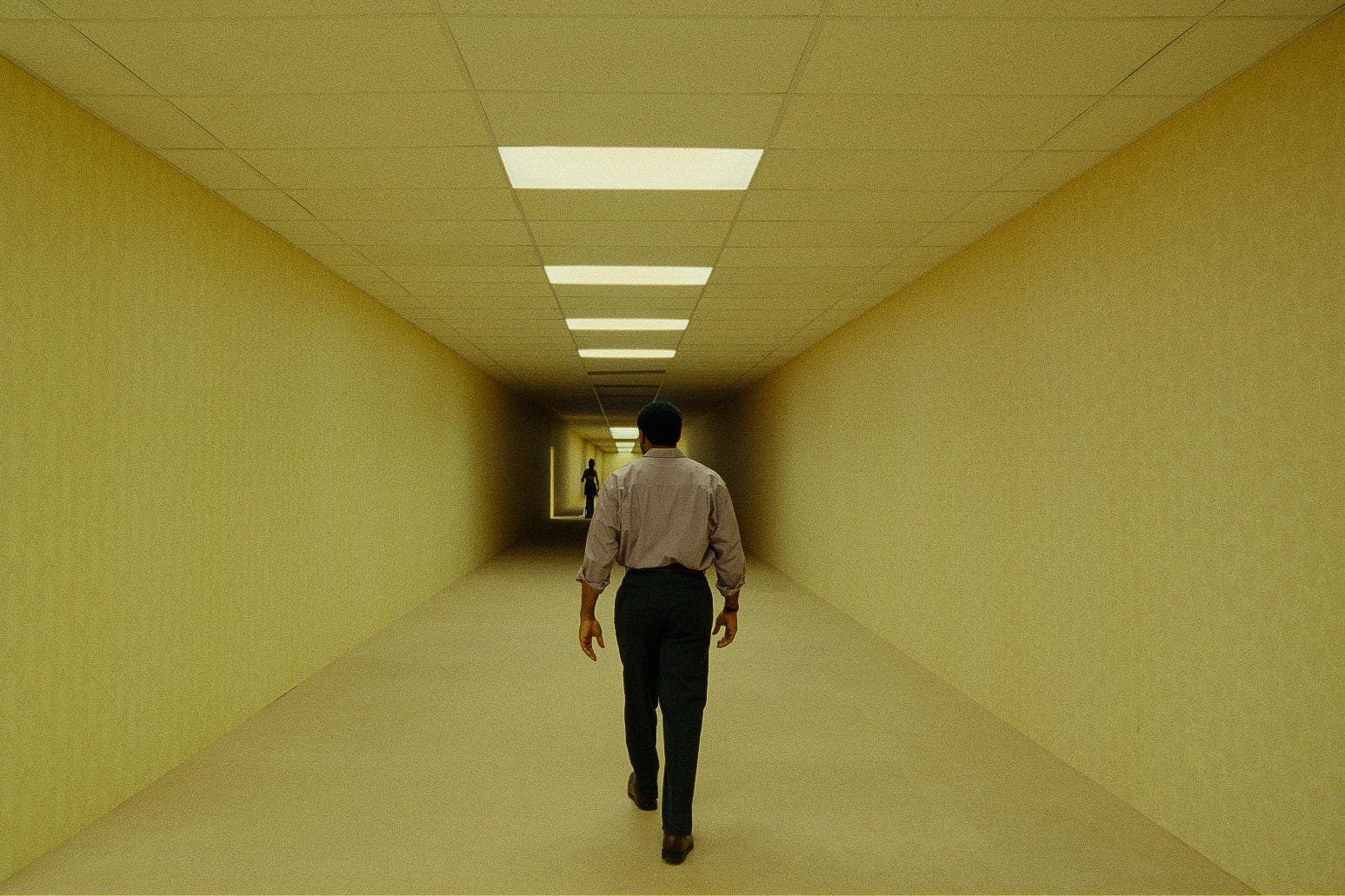
Set in 1990, “Backrooms” follows recently divorced furniture salesman Clark (Chiwetel Ejiofor), who uncovers a hidden passage beneath his showroom — a sickly yellow corridor opening into a vast warren of deserted office rooms. Disturbed yet compelled, he brings along his employee Kat (Lukita Maxwell) and her boyfriend Bobby (Finn Bennett) to help make sense of the maze’s impossible layout, where distant thuds and shifting acoustics hint at an unseen presence. When Clark vanishes, his therapist Dr. Mary Kline (Renate Reinsve) enters the labyrinth in search of him, only to find herself trapped by its disorienting logic. The film tracks their attempts to navigate an impossible expanse that feels alive, the walls and corners attuned to their every move.
Find out what's happening in Los Angelesfor free with the latest updates from Patch.
Parsons directs with an instinctive clarity and a startling assurance, shaping the Backrooms into an existential crucible where time loosens and logic buckles. He favors spatial anxiety over jump scares, treating liminality as both setting and psychological pressure point. Parsons trusts his leads to inhabit the unease, letting their performances absorb the strangeness rather than forcing it. The result is a strain of horror adjacent to Lovecraft in mood, where the environment becomes the antagonist and the camera a conduit to entropy. His direction reveals a precocity most improbable at 20, suggesting a filmmaker already fluent in a language entirely his own.
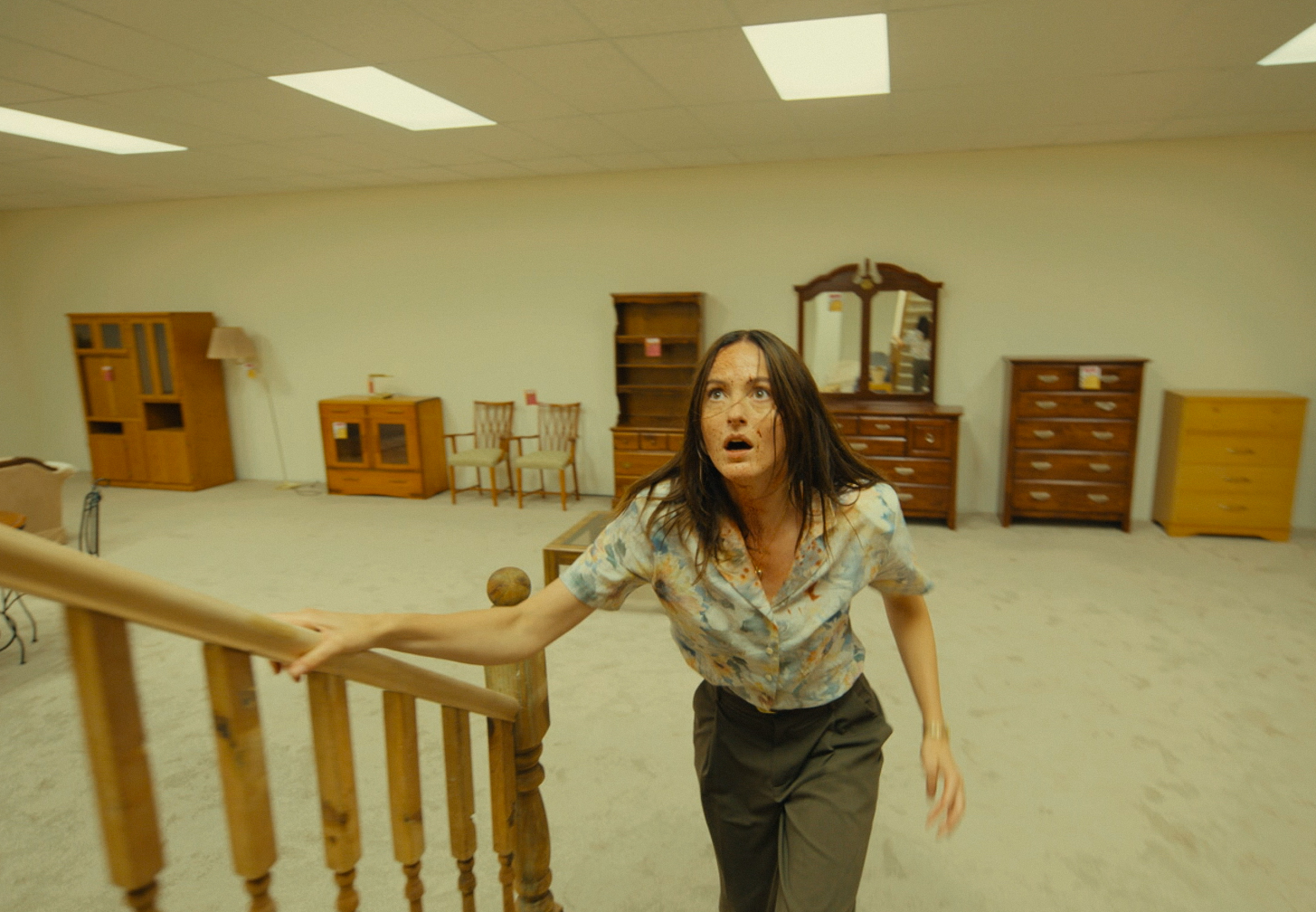
Ejiofor grounds the film with bruised volatility, carving Clark as a man already destabilized before he ever enters the maze. The anger, loneliness and need for control shadow him, giving his descent a raw, unsettled charge. Reinsve brings an internalized gravitas to Mary, whose childhood under a paranoid mother becomes the film’s emotional core; her vigilance to the maze’s distortions becomes her greatest ally. Maxwell and Bennett add sensitivity, letting the terror seep in at the seams rather than overwhelming the frame.
For all its hypnotic atmosphere, “Backrooms” isn’t immune to missteps. The final movement tilts toward a more conventional shape, undercutting the uncanny precision of the earlier acts. Parsons’ commitment to ambiguity drifts into something more anticlimactic than enigmatic ending on a muted, slightly deflating beat.
Still, what steadies “Backrooms” is Parsons’ extraordinary eye for composition and his instinctive command of visual storytelling. Even when the narrative wavers, his images remain razor-focused, transforming strangeness into something almost sentient.
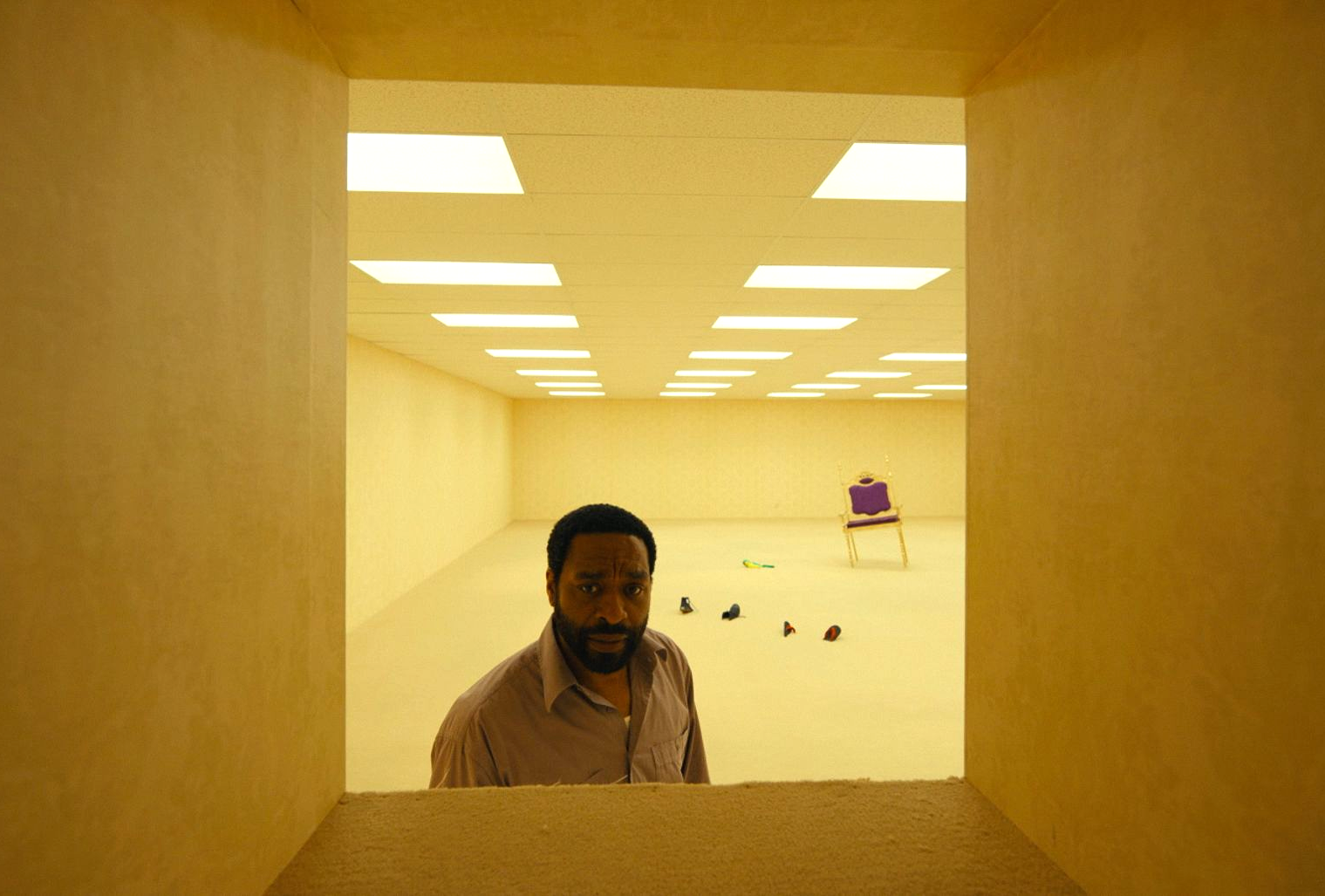
In the end, “Backrooms” settles into a meditation on the collective fears and anxieties of modern life — how easily we surrender to the systems that shape us, and how quickly the familiar can twist into something unsettling and strangely beautiful. It’s a tension Clark grasps when he observes, “it’s a real mess, but also beautiful in a way,” a sentiment that lingers long after the final frame.
The film leaves you with the uneasy recognition that the most disquieting labyrinths are the ones we already inhabit.
Get more local news delivered straight to your inbox. Sign up for free Patch newsletters and alerts.