Community Corner
Coyote Makes Early Visit To Unfinished 101 Wildlife Crossing: See Photos
The photos suggest the long-awaited crossing is already beginning to function as intended — even though it's a month away from completion.


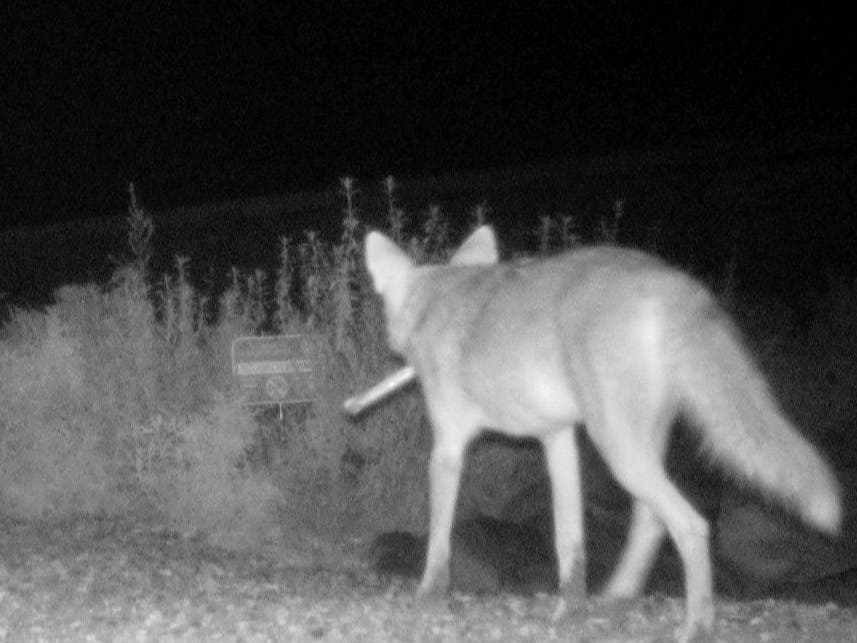
AGOURA HILLS, CA — Animals aren't waiting for the grand opening of the Wallis Annenberg Wildlife Crossing over the 101 Freeway.
National Park Service biologists captured the first images of a larger mammal atop the unfinished crossing in Agoura Hills when a coyote wandered onto the bridge early Thursday morning.
The coyote was photographed at around 1:30 a.m., moving north along the bridge above a freeway that carries more than 300,000 vehicles daily, according to the Santa Monica Mountains National Recreation Area.
Find out what's happening in Los Angelesfor free with the latest updates from Patch.
The sighting came after biologists installed remote wildlife cameras to begin monitoring animals approaching and using the crossing.
It was the second milestone in a matter of days.
Find out what's happening in Los Angelesfor free with the latest updates from Patch.
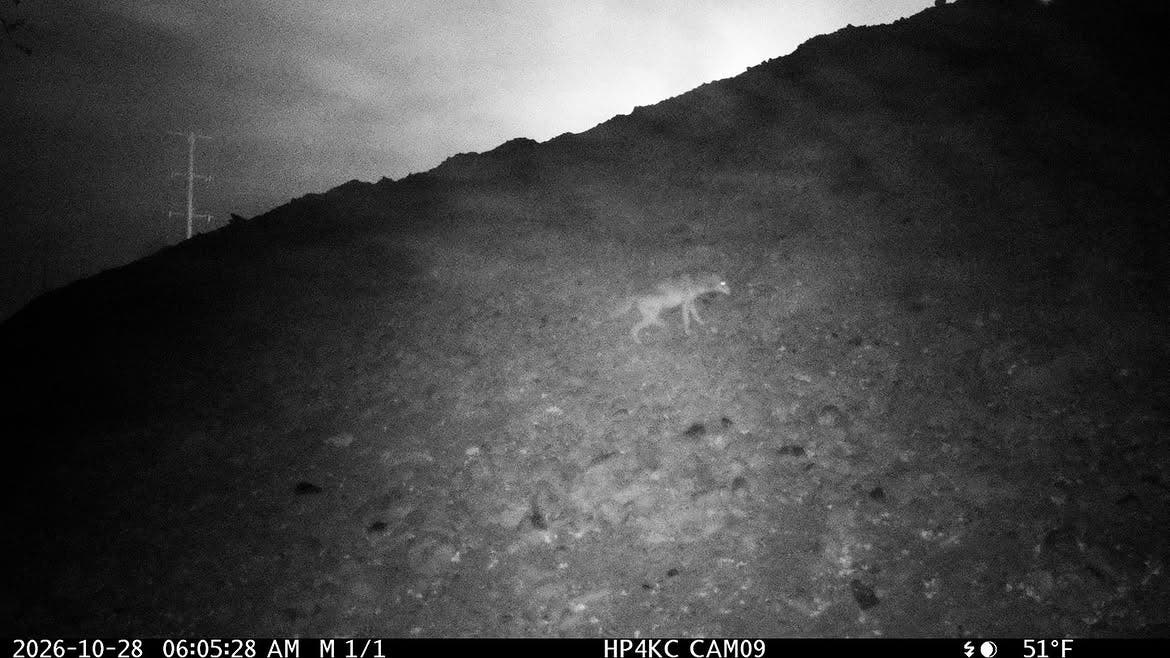
On Oct. 28, researchers photographed a coyote climbing the southern slope of the still-under-construction bridge, marking the first documented wildlife visit to the structure.
The latest images show a coyote making it onto the crossing itself, even before the project is complete.
Biologists have also observed bobcats, coyotes, foxes, mule deer and mountain lions using a trail adjacent to the crossing, according to the National Park Service.
The wildlife cameras are part of a long-term scientific monitoring program designed to determine how animals use the bridge and whether it successfully reconnects habitats in the Santa Monica Mountains and Simi Hills that have been separated by the freeway for decades.
"This is more than just about whether animals use the crossing," Seth Riley, wildlife branch lead at Santa Monica Mountains National Recreation Area, said in a statement. "We want to understand how effective it is in reconnecting an ecosystem that has been divided by the freeway for decades. That is a much bigger scientific question and answering it will take years."
The monitoring program includes 14 research objectives, ranging from tracking mountain lions and mule deer to studying changes in genetic diversity, vegetation, light, noise and other ecological conditions.
Researchers hope the crossing will allow mountain lions and other wildlife to move more freely between isolated habitats, potentially improving genetic diversity among animal populations.
The crossing is scheduled to officially open to wildlife Dec. 2, 2025, with a ribbon-cutting ceremony planned for the same day.
The project, described by officials as the largest wildlife crossing of its kind in the world, is the result of decades of research and planning involving the National Wildlife Federation, Caltrans, the National Park Service and the Santa Monica Mountains Conservancy.
Officials said wildlife camera images would be shared with the public, though not in real time for security reasons.
The cameras were purchased through a donation from the John Logan Foundation to the National Wildlife Federation's Save LA Cougars campaign, which also supports wildlife research and monitoring at the crossing.
Get more local news delivered straight to your inbox. Sign up for free Patch newsletters and alerts.