Weather
Extreme Flood Threat Prompts CA Evacuation Warnings As Record King Tides Approach
Record ocean levels and powerful swells could bring widespread coastal to Southern California over Thanksgiving.


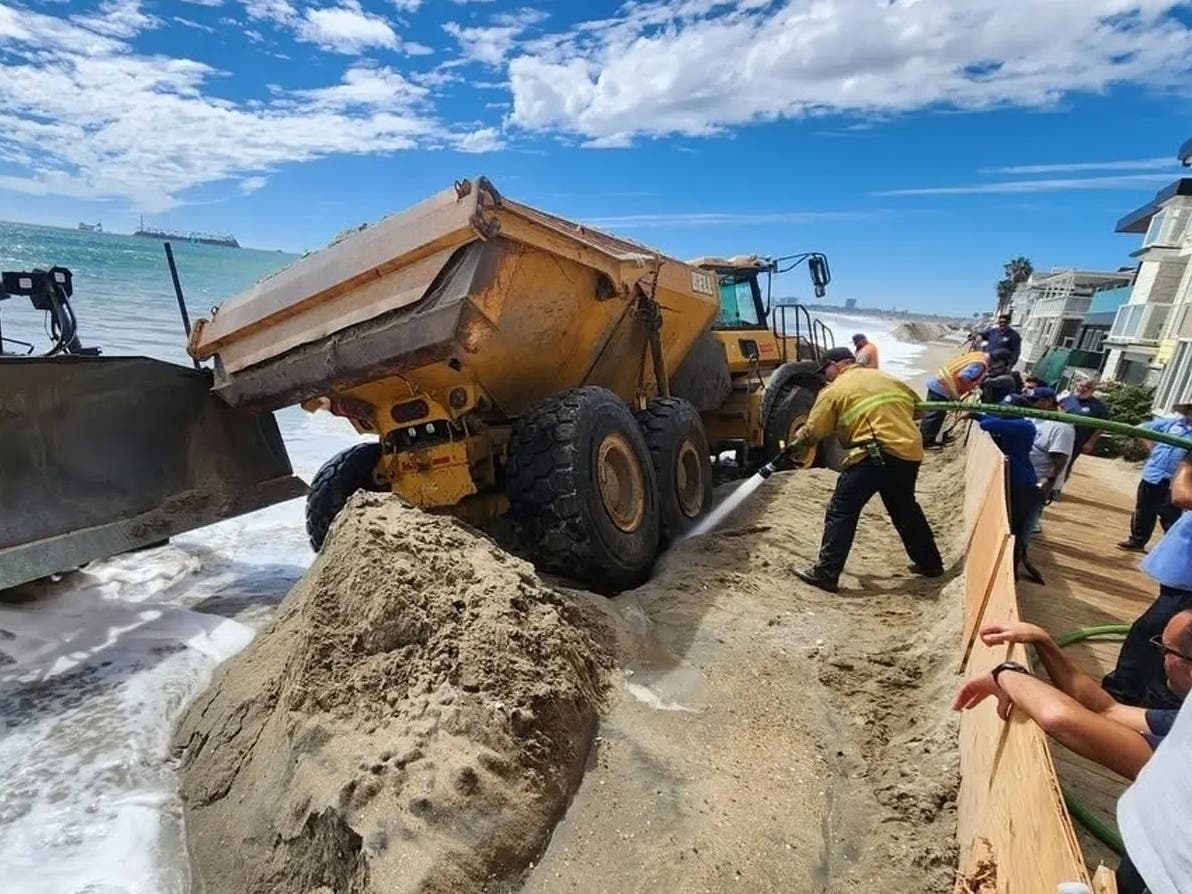
LOS ANGELES, CA — California's coastline is bracing for potentially significant flooding over Thanksgiving as exceptionally high tides and powerful ocean swells threaten to push seawater into vulnerable beachfront communities, just weeks after record-breaking water levels inundated parts of the state.
The threat of coastal flooding is so serious, one Bay Area coastal town urged residents to evacuate ahead of the Thanksgiving holiday. Northern California is expected to be hit with a pair of storms this week, while Southern California may be dry, but facing King Tides powerful enough to overcome seawalls and sand berms.
Sea levels are expected to reach historic levels up and down the state, which has already seen dozens of homes destroyed by high tides and sandy beaches completely washed away.
Find out what's happening in Los Angelesfor free with the latest updates from Patch.
“We could have flooding in areas where we have never seen flooding before,” Brian Garcia, the warning coordination meteorologist for the National Weather Service’s San Francisco Bay Area office told The New York Times.
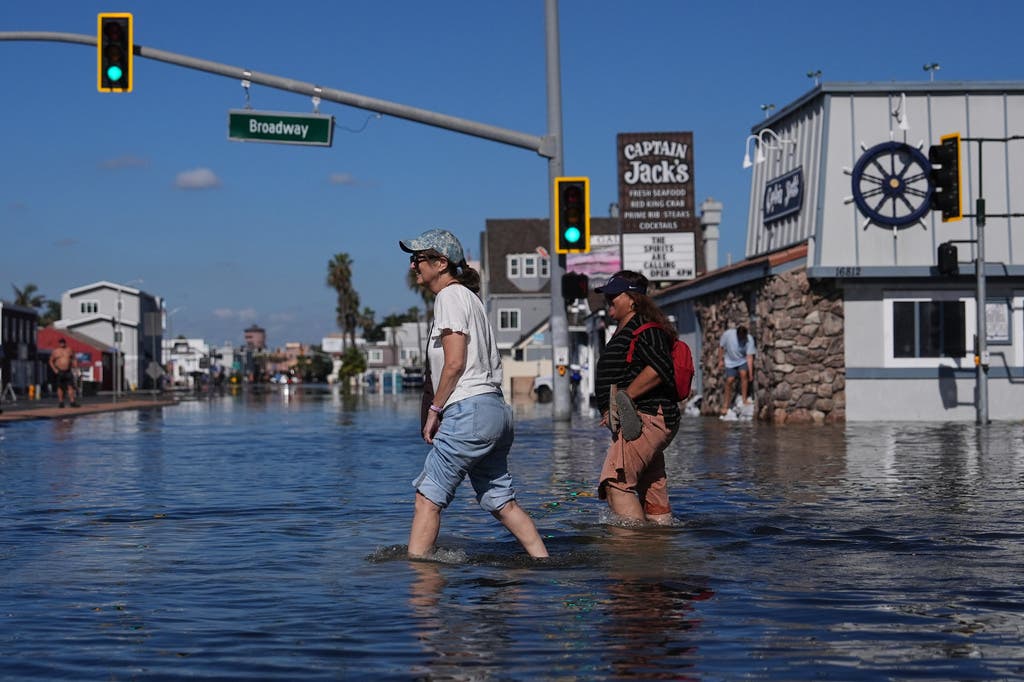
The National Weather Service warned Friday that extremely high tides, potentially breaking records, are expected next week, peaking between Tuesday and Thanksgiving Day. Forecasters said the combination of elevated tides and increasing surf would likely produce widespread moderate coastal flooding, with more serious impacts possible if large swells arrive at the same time.
Find out what's happening in Los Angelesfor free with the latest updates from Patch.
The threat extends along the California coast, where low-lying beaches, waterfront walkways, parking lots and coastal roads could be particularly vulnerable. Large waves could also accelerate beach erosion and threaten exposed infrastructure.
The latest forecast follows a remarkable October in which ocean levels reached unprecedented heights at several California locations, including Los Angeles, fueled partly by an unusually strong El Niño and enormous movements of warm water across the Pacific. NOAA has identified Nov. 22–27 as a period of heightened coastal flooding risk, with another significant high-tide window expected Dec. 22–26.
Record Ocean Levels Raise The Stakes
According to a Nov. 4 NOAA report, water levels reached all-time highs at four California monitoring locations between Oct. 24 and 30. Los Angeles recorded a level 2.70 feet above Mean Higher High Water, a tidal reference based on the average of the higher daily high tides at a particular location. San Diego reached 2.80 feet above the same benchmark, while La Jolla and Santa Barbara each recorded 2.65 feet. Santa Monica registered its second-highest water level on record, at 2.72 feet above its local tidal reference.
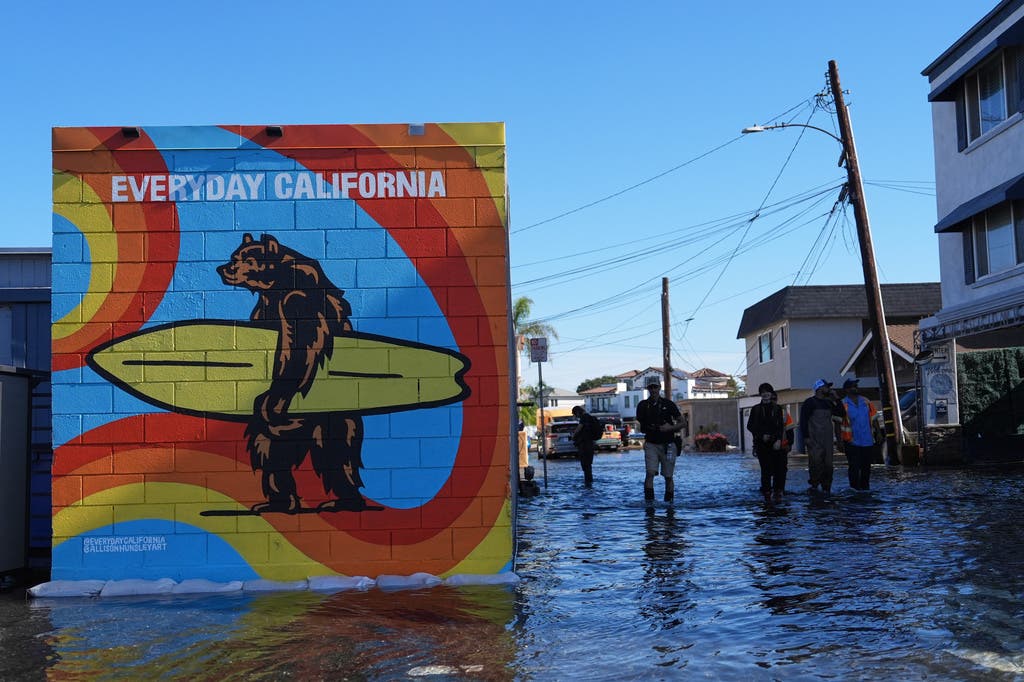
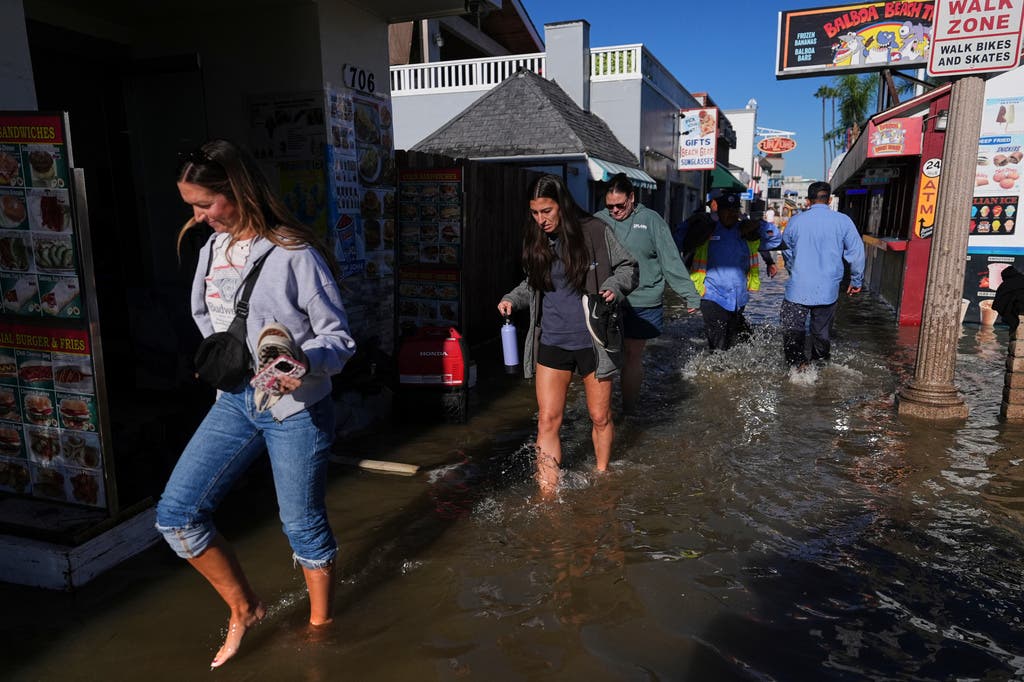
The figures describe observed water levels relative to established tidal benchmarks, rather than how far the ocean exceeded its forecast height. NOAA attributed the extraordinary readings to a convergence of unusually high astronomical tides, warmer ocean temperatures and El Niño-driven Kelvin waves, which have been temporarily raising sea levels along the West Coast.
Unlike the breaking waves that crash onto beaches, Kelvin waves are vast, slow-moving movements of ocean water that carry pulses of warmer water eastward across the Pacific. As they reach the Americas and propagate along the coast, they can raise sea levels by 6 to 12 inches or more for several weeks.
Warmer ocean temperatures compound the effect because seawater expands as it heats, further increasing water levels. That combination means even a predictable astronomical high tide can produce unexpectedly serious flooding when the underlying sea level is already elevated.
Long Beach Holiday Tradition Falls Victim To Flooding Fears
The growing threat has already forced the cancellation of one of Long Beach's best-known holiday celebrations. The Naples Improvement Association canceled the Dec. 12 Naples Island Holiday Boat Parade, citing concerns about unusually high tides, flooding and the safety of participants and spectators.
The event, which dates to 1946 and typically attracts approximately 60,000 spectators, was last canceled during the COVID-19 pandemic. Organizers also called off the neighborhood's holiday decorating contest to discourage large crowds from gathering along the island's waterfront streets.
But the immediate concern for Naples residents is the approaching Thanksgiving high tides. In preparedness guidance updated Nov. 13, the association reported that water levels around the island reached approximately 8 feet during the Oct. 25–29 high tides, about 14 to 16 inches above predicted levels.
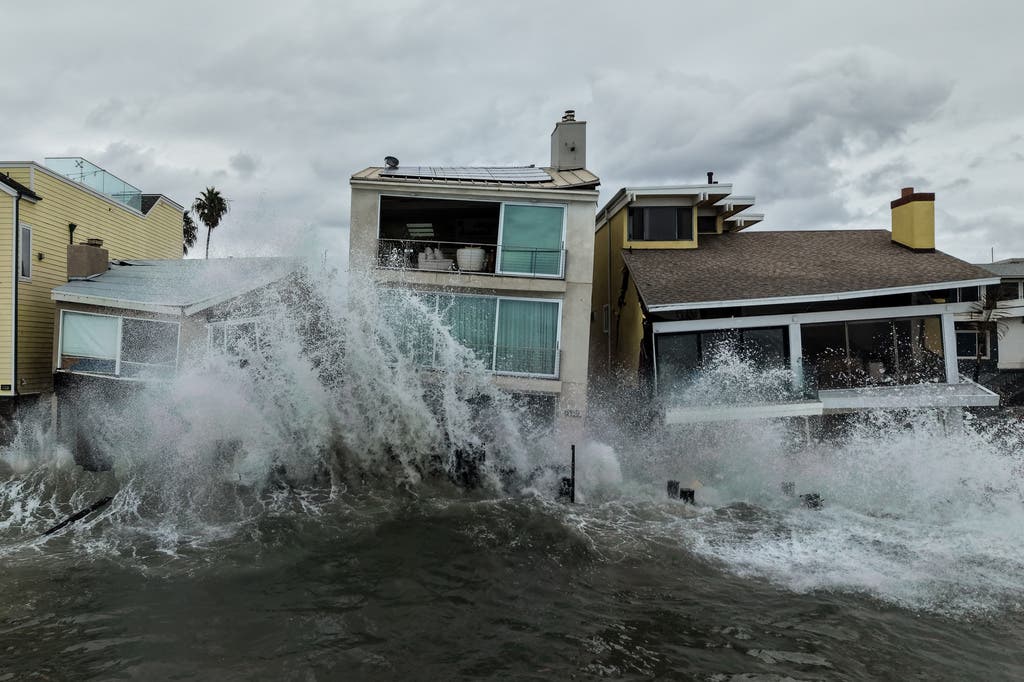
The association cautioned that tides between Nov. 22 and 27, and again around Christmas, could produce even higher water levels. Residents have been urged to prepare low-lying areas of their properties, secure boats and docks, and register for emergency notifications as the community confronts the possibility of repeated flooding throughout the winter.
Long Beach Councilwoman Kristina Duggan previously said the island's seawalls remained stable under high tidal pressure, while outlining plans for maintenance crews to seal joints and reduce water seepage.
Bay Area Town Told To Evacuate, Others Told Not To Travel On Thanksgiving
In Marin County, officials issued a Level 1 Evacuation Advisory Thursday for the entire Tiburon Peninsula ahead of next week's king tides.
County officials have also warned residents to stay off the roads during peak flooding periods and to avoid nonessential travel between 9 a.m. and 4 p.m. Tuesday through Thanksgiving Day, particularly in areas prone to flooding.
In the town of Belvedere, officials warned that severe flooding along the community's only two access routes could temporarily isolate residents and prevent emergency vehicles from entering.
"We have already seen flooding this season and that occurred with blue skies and no rain," County Executive Derek Johnson said in a statement. "With Thanksgiving travel, king tides and rain potentially coming together, we need everyone to take this seriously. Avoid traveling during the highest risk periods and do what you can now to prepare rather than waiting for conditions to worsen."
Why Thanksgiving's Tides Could Be Different
King tides occur when the gravitational forces of the moon and sun combine to produce unusually high astronomical tides. Although these events are naturally occurring and can be predicted well in advance, their consequences depend heavily on other ocean and weather conditions. This year, those conditions are particularly concerning.
NOAA says El Niño-driven Kelvin waves have been pushing sea levels above their expected heights, while a continuing marine heat wave has contributed to the unusually elevated water.
The approaching high tides will occur during a perigean spring tide, when the moon is full and near its closest point to Earth, intensifying the gravitational forces that influence ocean levels. The National Weather Service forecast issued Friday morning said additional large westerly swells were becoming increasingly likely during Thanksgiving week.
Those swells could produce another period of dangerous surf along west and south facing beaches, with the potential for significant coastal flooding if the largest waves coincide with the highest tides. The region has already experienced the destructive potential of powerful surf this month. Manhattan Beach and Hermosa Beach temporarily closed their piers during hazardous conditions last weekend, while flooding and coastal damage were reported elsewhere in California.
The latest threat also comes amid an exceptionally strong El Niño, which scientists expect to continue influencing California's weather through the winter.
More High Tides Expected Around Christmas
Thanksgiving may be only the beginning of an unusually challenging winter for coastal communities. NOAA has identified Dec. 22–26 as another period of heightened flooding risk, warning that additional Kelvin waves could continue to elevate ocean levels through the coming months.
Heavy rainfall and storm runoff could further complicate conditions in vulnerable coastal areas, particularly where drainage systems struggle to discharge water against unusually high ocean levels. The severity of next week's flooding will depend on how closely the highest tides coincide with large swells, storms and other local conditions. Although forecasters are increasingly concerned about significant impacts, the precise extent of flooding remains uncertain.
Residents and visitors are encouraged to monitor the National Weather Service for updated forecasts, advisories and warnings, while NOAA's Coastal Inundation Dashboard provides access to observed coastal water levels. Long Beach residents can also consult the Naples preparedness resources and register for emergency alerts through the city.
For Southern California's coastal communities, the approaching Thanksgiving tides could offer an early indication of how severely this winter's unusual combination of elevated sea levels, powerful surf and storms will affect the region.
Related: