Arts & Entertainment
'Mortal Kombat II' Review: Karl Urban And Adeline Rudolph Anchor The Movie The Reboot Should Have Been
By leaning into the franchise's lore and centering its long‑delayed tournament, the sequel finds purpose despite uneven storytelling.


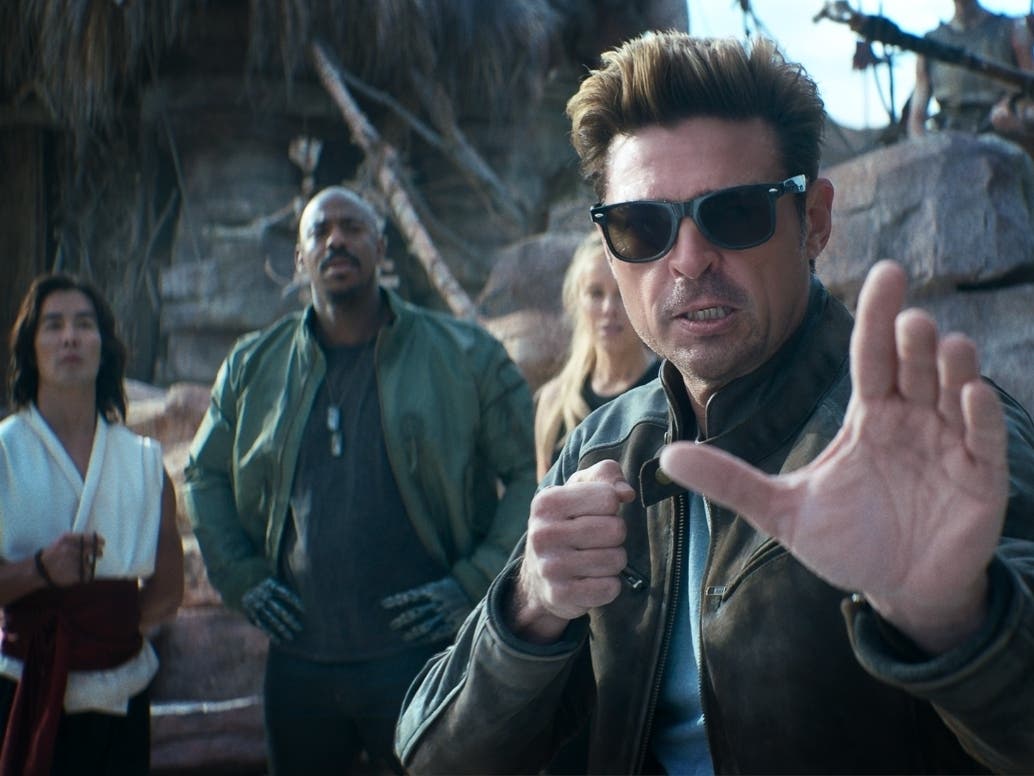
LOS ANGELES, CA — In Simon McQuoid’s “Mortal Kombat II,” the franchise returns with an installment that finally understands the universe it inhabits. Gone is the 2021 reboot’s reluctance to embrace a multiverse defined by fragile realms, cosmic rules and identities under threat. In its place is a sequel that taps directly into that lineage, grounding its spectacle in a world built on survival, continuity and the fear of extinction.
Most notably, this chapter delivers the interdimensional fighting tournament — the narrative spine the reboot sidestepped. Steeped in lore and mythology, the sequel may divide audiences, yet its commitment ultimately strengthens the franchise’s sense of identity, even if the plot occasionally slips into contrivances that blunt its momentum.
In “Mortal Kombat II” cosmology, the tournament determines whether one realm may conquer another, with Earthrealm now facing Outworld in a cycle of battles that will decide its survival. Its presence gives the film a clarity of purpose, pulling its characters and conflicts into alignment with the existential pressures that have always defined the series.
Find out what's happening in Los Angelesfor free with the latest updates from Patch.
The film wastes no time signaling that shift in confidence. Its opening plunge into Edenia introduces the villainous Shao Kahn (Martyn Ford), ruler of the war-hungry Outworld, as he storms the kingdom, defeats King Jerrod (Desmond Chiam) and seizes the queen and princess. In the years that follow, the young princess Kitana (Adeline Rudolph) becomes one of Outworld’s most formidable warriors — though the truth of Edenia’s fall casts a shadow over her allegiance.
Still reeling from the previous film’s casualties, Earthrealm’s surviving champions — Liu Kang (Ludi Lin), Sonya Blade (Jessica McNamee), Jax (Mehcad Brooks) and Cole Young (Lewis Tan) — follow a trail that leads them to Hollywood and to Johnny Cage (Karl Urban), a once-bankable action star whose fading career, oversized ego and undeniable talent make him an essential, if volatile, addition to their ranks.
Find out what's happening in Los Angelesfor free with the latest updates from Patch.
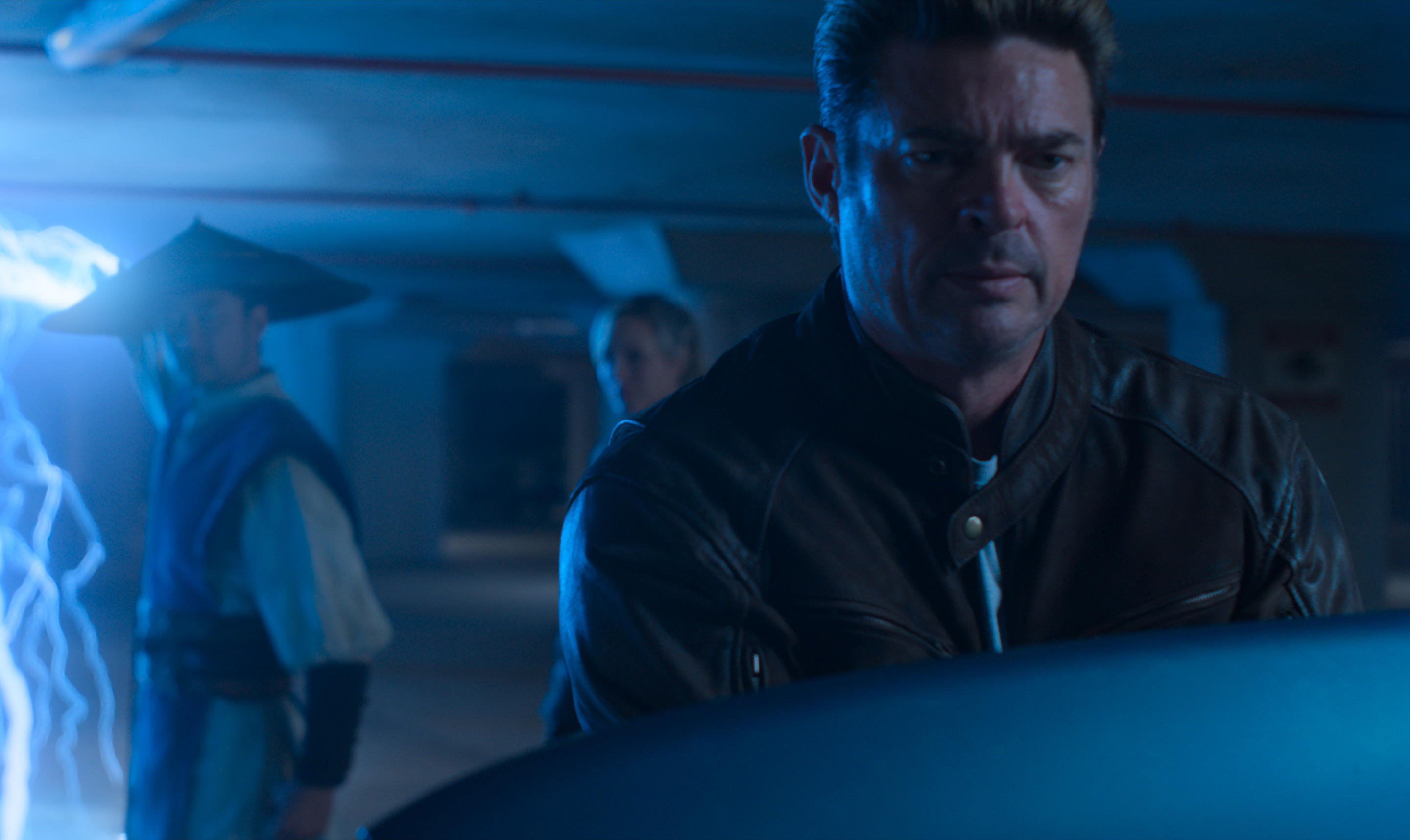
Cage arrives with the performative swagger that has always defined him — a man who moves through the world as if every moment were part of a showreel. Beneath the ego is someone desperate for relevance, and Urban plays that tension with a deft touch. He gives Cage a brittle bravado, threading in vulnerability and volatility that keep the character unpredictable. His clash with Baraka (CJ Bloomfield) becomes the clearest showcase of what Urban brings to the role, letting him pivot between ferocity, comic timing and surprising emotional sharpness.
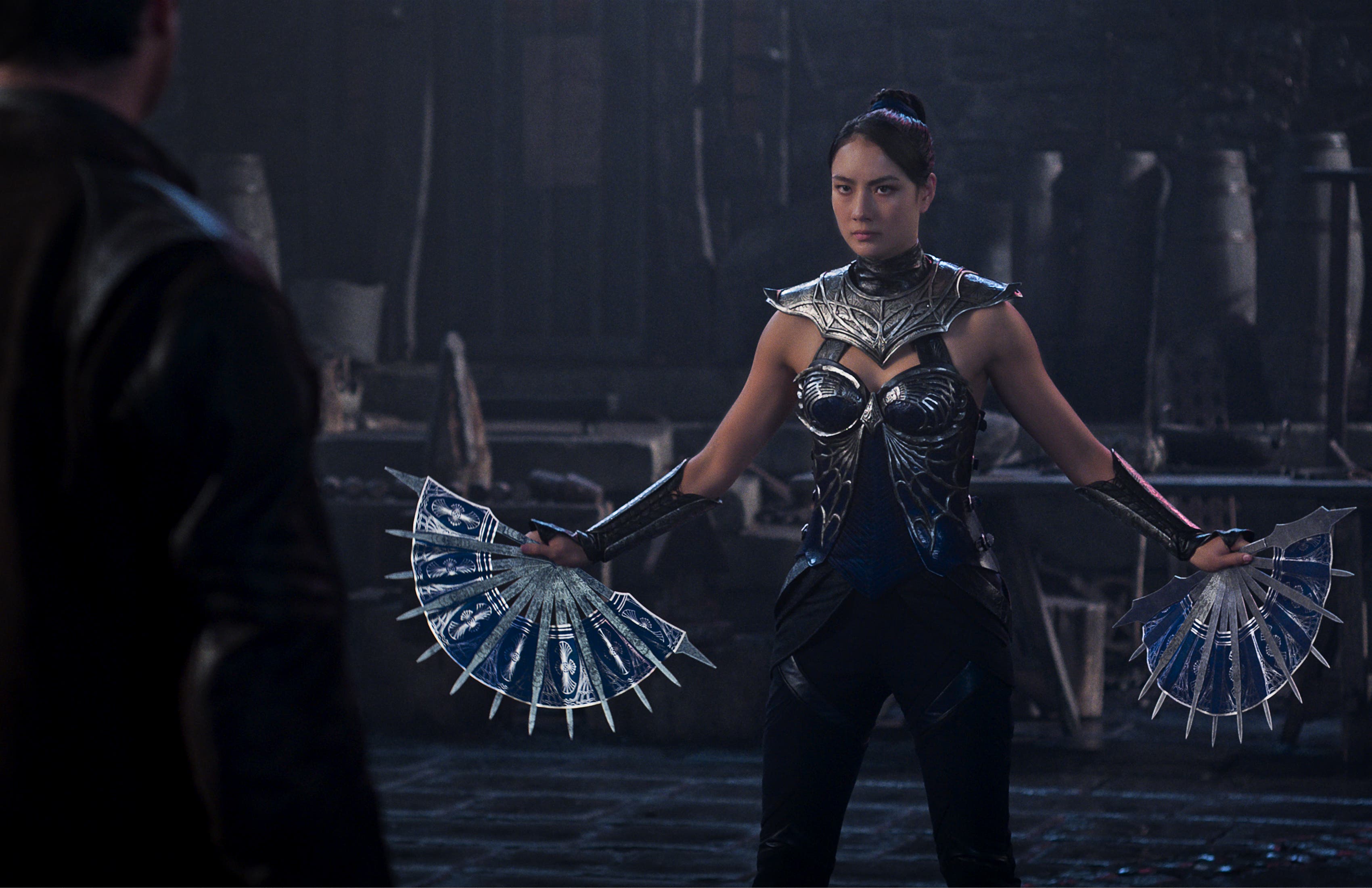
Meanwhile, Kitana drifts toward Earthrealm’s heroes, her loyalty to Outworld splintering as long-buried truths erode the control her adoptive father has held over her. Rudolph imbues her with a measured intensity that makes that shift feel earned, anchoring her turmoil in something recognizably human.
Elsewhere, Josh Lawson once again proves indispensable as Kano, supplying the film with some of its sharpest and most reliable bursts of humor. His throwaway jabs and needling asides puncture the script’s more solemn stretches, making the film fun and accessible even as the mythology grows dense.
The broader ensemble — McNamee, Lin, Brooks and Tan — remains game throughout, even with limited room to maneuver. Hiroyuki Sanada and Joe Taslim lend the story a grounded intensity, while Chin Han and Tadanobu Asano reinforce its martial-arts lineage. And Ford carves out an imposing Shao Kahn, even if the character’s deeper motivations remain frustratingly out of reach.
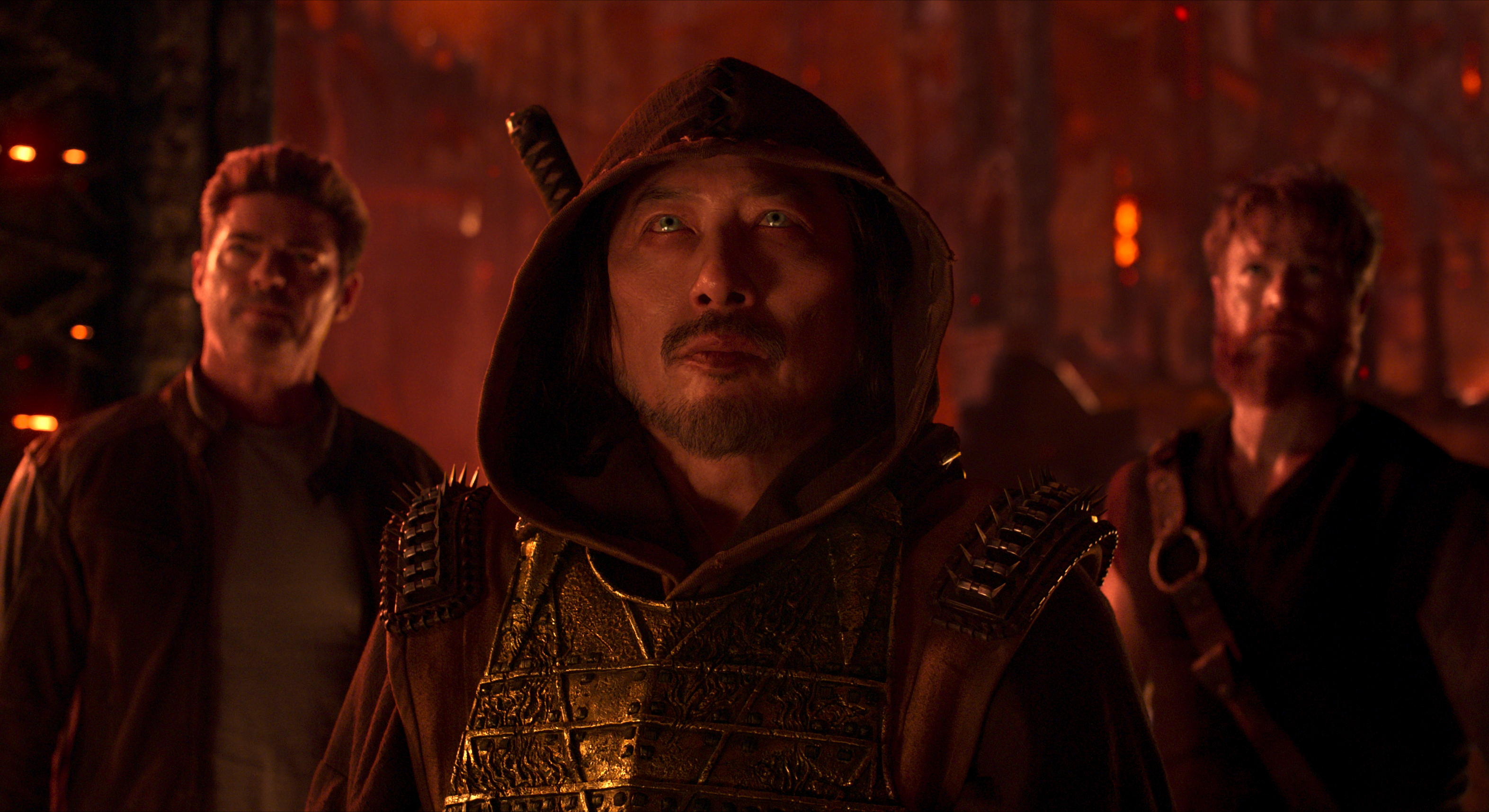
Jeremy Slater’s screenplay moves with breathless urgency, racing through interdimensional realms, wicked schemes and battlegrounds akin to the arcade game in its effort to compress the full sprawl of the tournament into a single film. The pace leaves little room for the story to reconcile its stranger turns — fighters return from the dead in zombie-like form, and Shao Kahn, an immortal warlord, is allowed to compete in a contest ostensibly designed for mortals. These lapses register as structural stumbles rather than contradictions of the film’s larger themes.
That overpacked approach shapes the film’s limitations as much as its momentum. In its determination to honor canon, “Mortal Kombat II” often plays it safe, tightening itself so firmly around lore that the storytelling sometimes feels constrained. The film’s momentum wobbles under the sheer volume of plotting it tries to shoulder.
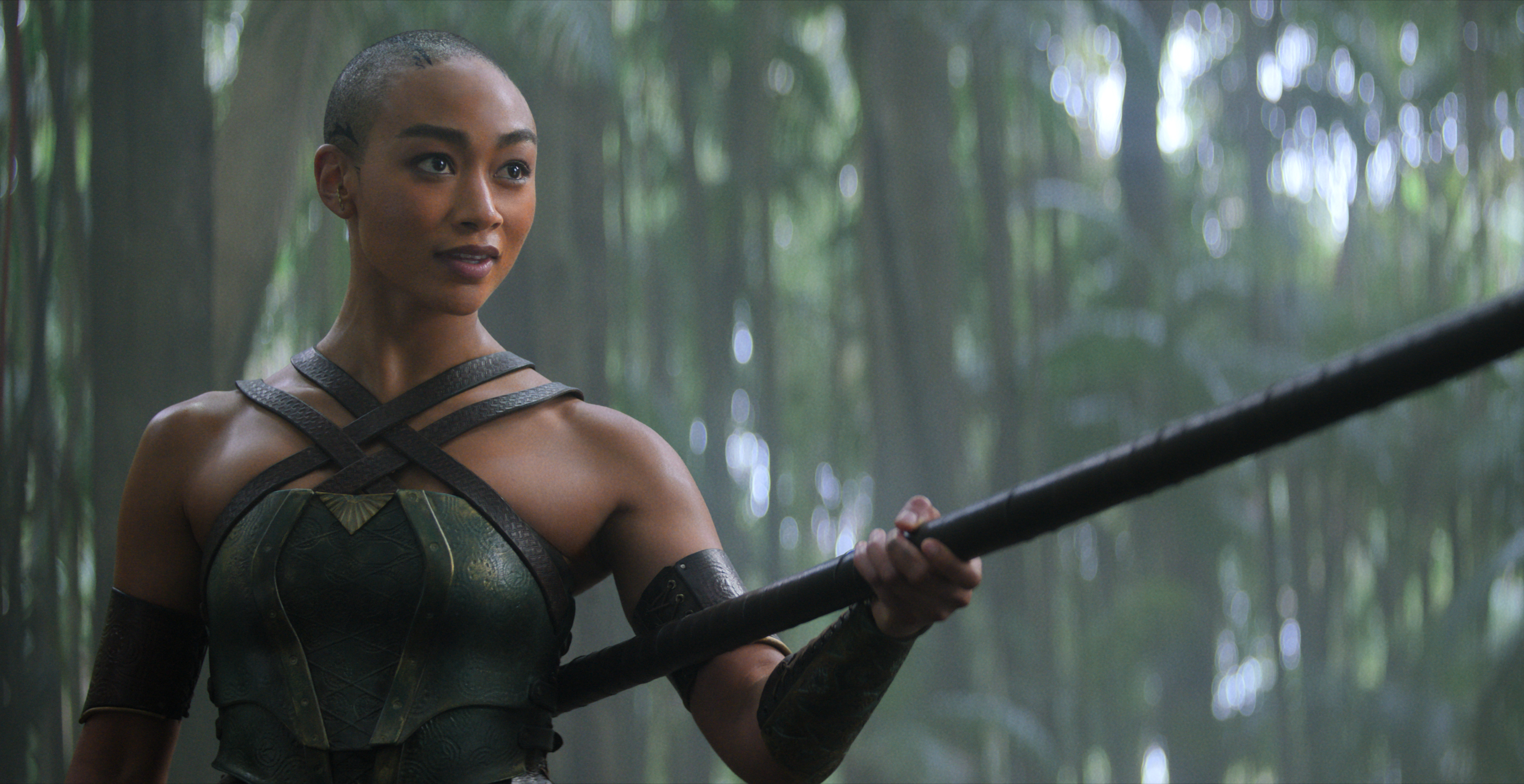
Still, the sequel remains a muscular and often rousing spectacle, energized by its commitment to the tournament’s high-stakes mythology. Its devotion to lore may prove polarizing, offering longtime fans a richly detailed world while giving newcomers fewer entry points.
Even so, the performances bring welcome texture, and the emphasis on visceral, sharply staged combat keeps the film engaging even when the narrative grows dense. It’s a movie that rewards familiarity more than accessibility, yet it delivers enough craft and conviction to carry along anyone willing to meet it on its own terms.
In the end, “Mortal Kombat II” may not win over everyone, but in embracing its own mythology without apology, it becomes the film the reboot should have been.
Get more local news delivered straight to your inbox. Sign up for free Patch newsletters and alerts.