Pets
Sea Turtle Eggs Moved From North Orange County Beaches To Aquarium Of The Pacific
In advance of rising tides, pounding surf, and the upcoming Pacific Air Show crowds, biologists removed the sea turtle eggs from harm's way.


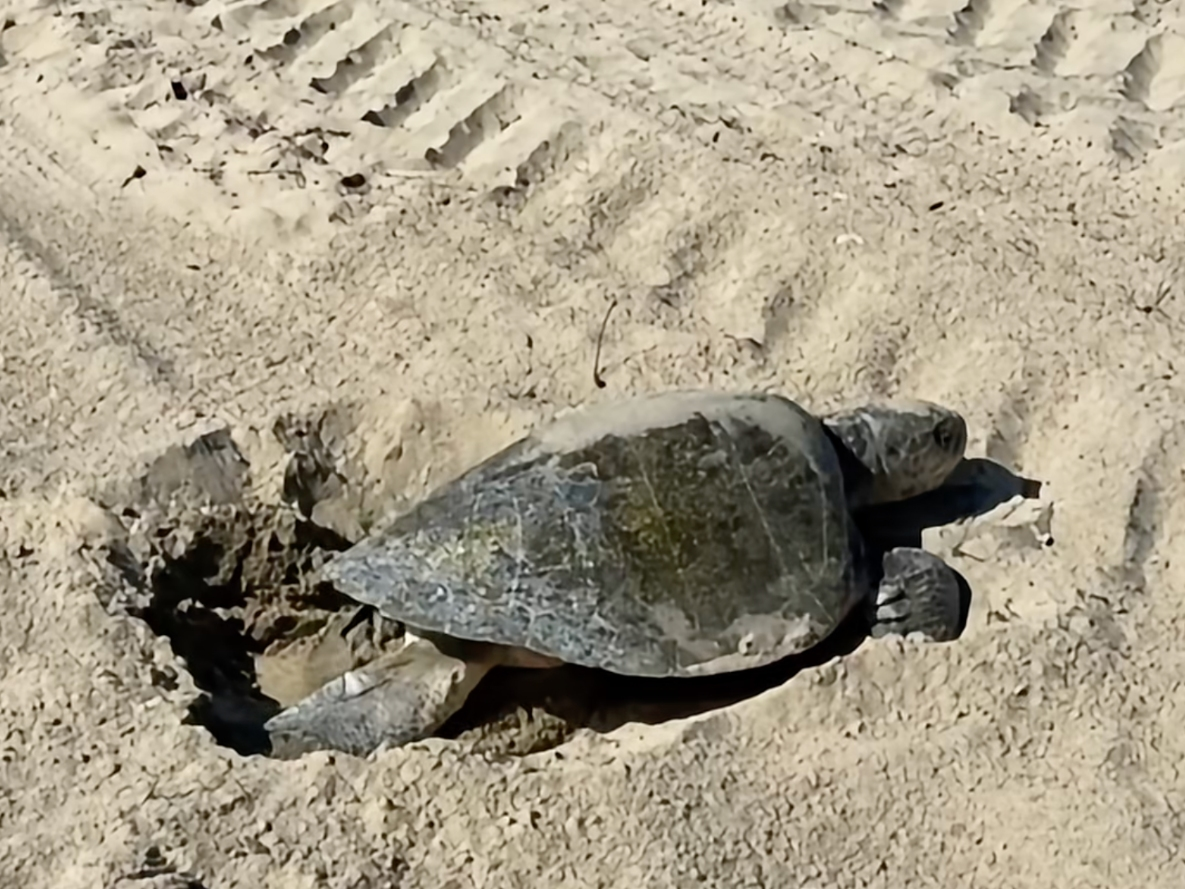
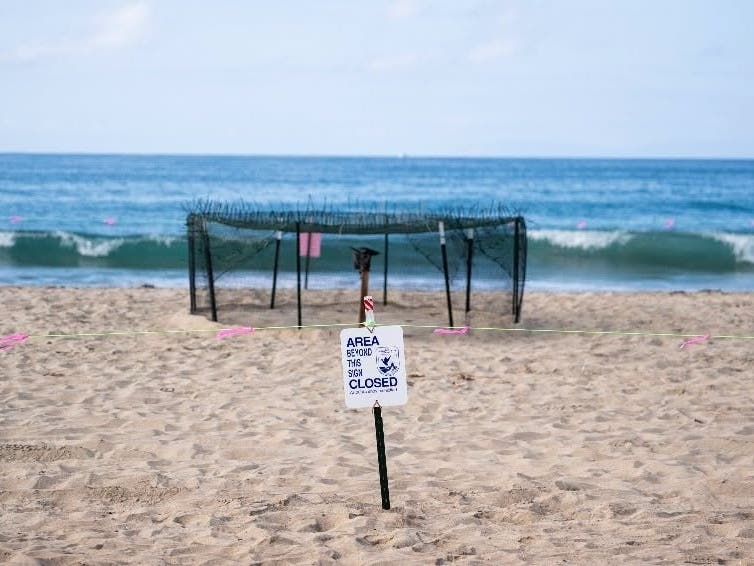
SEAL BEACH, CA — Sea turtle eggs laid by two different endangered olive ridley sea turtles between Huntington Beach and Seal Beach were moved to the Aquarium of the Pacific in Long Beach Friday. Overwhelming concerns regarding the weekend's high surf and the incoming Kelvin wave-driven high tides were the reasons behind that move, according to an Aquarium of the Pacific spokesperson.
Early Friday, wildlife biologists carefully collected eggs from nests near the Seal Beach National Wildlife Refuge and in Huntington Beach and transferred them to a temperature-controlled environment at the aquarium, according to an interagency team overseeing the nests.
Officials said they had been monitoring Hurricane Polo and potential beach hazards in Orange and San Diego counties. Hazardous surf conditions expected to coincide with high tides over the weekend prompted the decision to remove the eggs from the beaches.
Find out what's happening in Los Alamitos-Seal Beachfor free with the latest updates from Patch.
If viable, the eggs could hatch in 45 to 60 days, around the first week of November, officials said.
According to NOAA, olive ridley turtles are the smallest of the sea turtles, with adults weighing up to 100 pounds and growing between two and three feet in length.
Find out what's happening in Los Alamitos-Seal Beachfor free with the latest updates from Patch.
"They are estimated to live about 30-50 years," an agency post said. "These sea turtles are found worldwide, primarily in the tropical waters of the Pacific, Indian and Atlantic oceans. Major Pacific nesting populations span Mexico, Nicaragua, Costa Rica, and Panama. While occasionally seen in Southern California following warm currents, this species has never been documented to nest in the United States."
The public is advised to give nesting sites plenty of space, and not disturb the fencing or signage.
On Thursday, an area wildlife expert revealed how she got a view of a potential climate change-fueled trend in the Southland six years ago when a group of boys discovered a handful of sea turtle eggs at Huntington Beach, one of two places where sea turtles have left eggs. Those eggs failed to hatch after being removed from the shoreline, Wetlands & Wildlife Care Center former CEO Debbie McGuire told Patch. DNA tests later revealed that the sea turtle eggs in question were the same olive ridley sea turtle, she said.
Read: Sea Turtle Eggs Laid Near Seal Beach Safety In Question: Is OC Their Long-Term Nesting Ground?
Dr. Cali Turner Tomaszewicz, a research biologist with the Southwest Fisheries Science Center’s Marine Mammal and Turtle Division, conducted a photo ID analysis to tell the two turtles apart. She compared body shape, the number and location of barnacles, and each turtle’s scute pattern – the unique arrangement of the large scales on a turtle’s shell, much like a human fingerprint. Anyone who finds a stranded turtle can call the NOAA Fisheries West Coast Stranding Hotline at 562-506-4315.
Sightings of sea turtles can be reported using the NOAA Fisheries West Coast Facebook account at facebook.com/NOAAFisheriesWestCoast.
Get more local news delivered straight to your inbox. Sign up for free Patch newsletters and alerts.