Community Corner
New HUD Rule Seeks To Threaten Housing For Immigrants, CA Lawmakers Push Back
California officials are challenging a new HUD rule that threatens housing assistance for families with mixed immigration status.


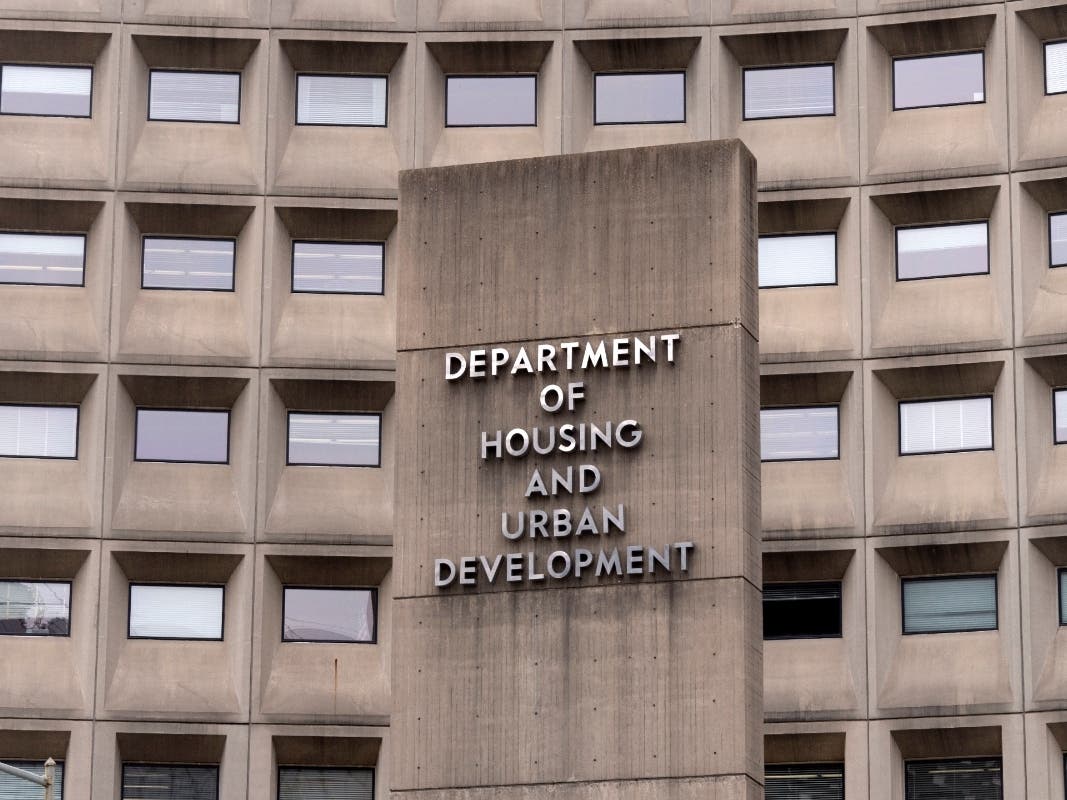
CALIFORNIA — One household member’s immigration status could determine whether an entire family keeps federal housing assistance.
A new federal housing rule would disqualify an entire family from most federal housing assistance if one member lacks eligible immigration status after a temporary grace period, according to the Department of Housing and Urban Development.
The rule would effectively bar families with mixed immigration status from receiving that assistance.
Find out what's happening in Napa Valleyfor free with the latest updates from Patch.
Michelle Whitman, executive director of the Sonoma Count Community Development Commission, said officials cannot yet project the local impact.
“We will always support the fight to preserve housing stability for the households we serve,” Whitman said.
Find out what's happening in Napa Valleyfor free with the latest updates from Patch.
Current rules allow families to receive reduced assistance based on the number of eligible members who share an address. The new rule generally limits that arrangement to the period while officials verify everyone’s eligibility, according to HUD.
HUD Secretary Scott Turner said on Fox News called the provision a loophole that bypasses existing law.
"From this time forward, anyone receiving taxpayer-funded housing must verify they are a legal citizen," he said.
The rule covers public housing, Section 8 rental assistance, and certain other HUD programs. It requires every assisted family member, including children, to document U.S. citizenship or eligible immigration status, according to HUD.
About 20,000 mixed-status households could be affected by the new regulation. As many as 80,000 individuals could lose assistance if this rule is finalized, according the Center on Budget Policy Priorities.
That number includes nearly 37,000 children, almost all of whom are U.S. citizens, the agency reported.
Some families may qualify for temporary deferrals lasting up to 18 months. Certain households receiving assistance since June 19, 1995, may retain reduced assistance under narrow conditions. Families also have the right to request a hearing.
The rule would go into effect Dec. 14, according to HUD.
Whitman said the rule appears to exceed the legislative intent of the Housing and Community Development Act of 1980, serves no legitimate HUD purpose, and faces a court challenge.
“Needless to say, this news is emotionally alarming, but it is too soon to project the local impact, if any,” she said.
Housing and legal organizations, including the National Low Income Housing Coalition, have condemned the rule and are working to stop or delay it, Whitman said.
Those efforts include urging Congress to block implementation through upcoming spending legislation.
California’s attorney general Bob Bonta announced Monday a lawsuit challenging the final HUD rule.
“Families should not have to choose between remaining together and keeping a roof over their heads,” Bonta said in a statement. His office estimates the rule would affect more than 7,000 mixed-status households in California.
Congressman Mike Thompson, whose district includes Lake and Napa counties and portions of Solano, Sonoma, and Yolo counties, signed a congressional letter urging HUD to withdraw the proposed mixed-status housing rule written by Rep. Nanette Barragán.
Barragán represents California’s 44th Congressional District in Los Angeles County.
“The Trump Administration is punishing working families and U.S. citizen children with this cruel proposal,” Barragán said in the letter.
“HUD’s proration policy already protects eligible household members while denying benefits to ineligible adults," she said. "Ending it won’t make housing more affordable. It will put vulnerable families at risk of losing their homes."