Palm Desert, CA|Featured Classified|Announcement|

“Could a Simple Ultrasound Help Save Your Leg - Or Your Life?”
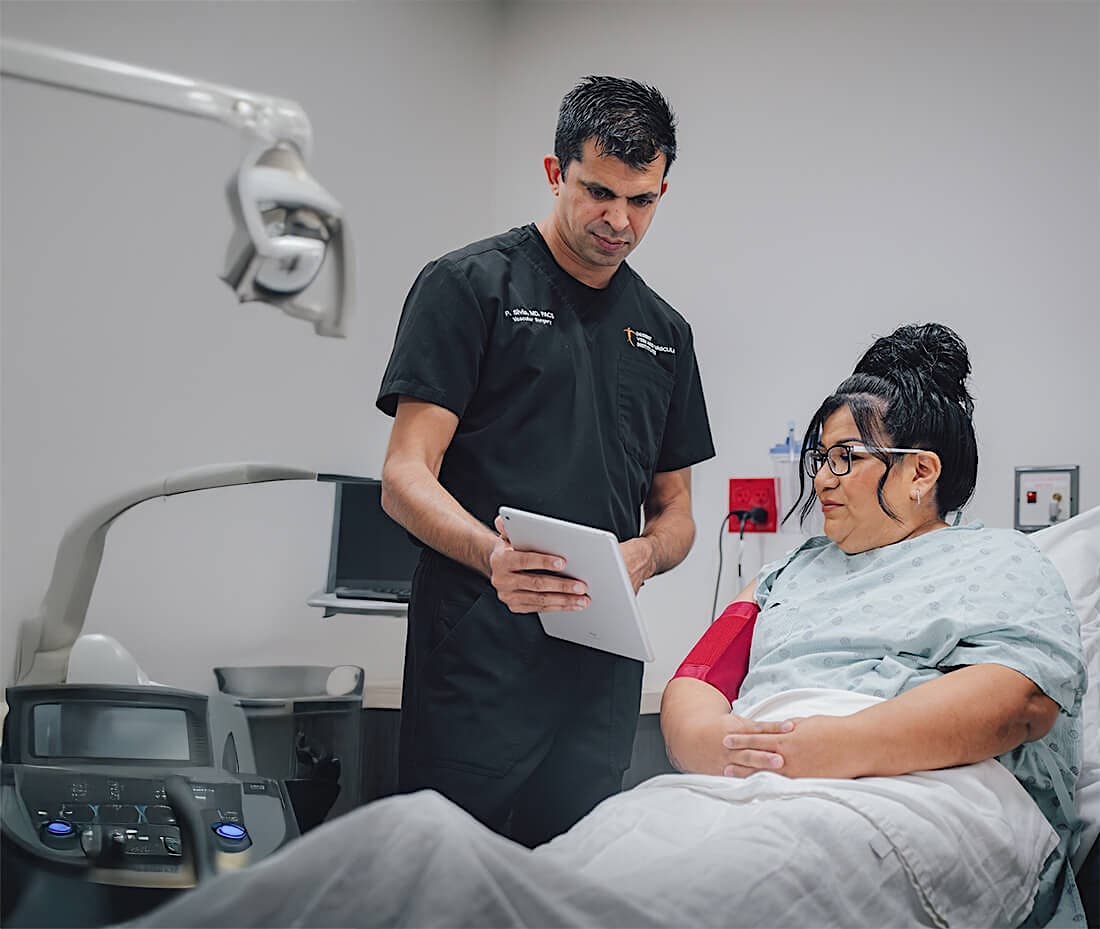
October Is Medical Ultrasound Awareness Month - Your Legs Could Be Warning You About a Life-Threatening Circulation Problem.
By Dr. Pushpinder Sivia, board certified vascular surgeon
Empire Vein & Vascular Specialists encourages Southern Californians to recognize the warning signs of blood clots and blocked arteries, two potentially dangerous conditions that can often be identified with a simple, noninvasive vascular ultrasound.
1. Deep Vein Thrombosis (DVT): A Blood Clot That Can Turn Deadly
The startling facts:
- As many as 900,000 Americans are affected by DVT or pulmonary embolism (PE) each year.
- An estimated 60,000 to 100,000 Americans die annually from these blood clots.
- Approximately 1 in 4 people who die from PE experience sudden death as the first symptom.
DVT occurs when a blood clot forms in a deep vein, usually in the leg. If a portion breaks loose and travels to the lungs, it can cause a potentially fatal pulmonary embolism.
Three warning signs you should never ignore:
- Sudden swelling in one leg.
- Unexplained calf pain or tenderness.
- Redness or warmth in one leg.
The role of ultrasound: Venous duplex ultrasound is a painless, noninvasive test that can detect clots in the deep veins and help physicians make a rapid diagnosis.
Emergency warning: Sudden shortness of breath, chest pain, fainting, or coughing up blood may indicate a pulmonary embolism. Call 911 immediately. New, unexplained one-sided leg swelling also warrants prompt medical evaluation.
2. Peripheral Artery Disease (PAD): The Silent Threat to Your Legs
The startling facts:
- An estimated 10 to 12 million Americans age 40 and older have PAD.
- Approximately 150,000 lower-extremity amputations occur annually in the United States, with PAD contributing to many cases.
- PAD is associated with an increased risk of heart attack, stroke, and limb loss.
PAD develops when plaque builds up inside arteries, restricting blood flow to the legs and feet. Many patients have no typical symptoms, allowing the disease to go undetected.
Four warning signs you should never ignore:
- Leg cramps, fatigue, or pain while walking that improve with rest.
- One foot noticeably colder than the other.
- Foot or toe pain while resting, particularly at night.
- Sores on the feet or toes that won't heal.
The role of ultrasound: An ankle-brachial index (ABI) test compares blood pressure in the arms and ankles to detect impaired circulation. Arterial duplex ultrasound can then help physicians locate narrowed or blocked arteries and guide treatment when indicated.
Emergency warning: A suddenly painful, cold, pale, or numb leg or foot may indicate acute limb ischemia and requires immediate emergency care.
3. Varicose Veins and Chronic Venous Insufficiency: More Than a Cosmetic Problem
Varicose veins may be a sign of chronic venous insufficiency, a condition in which malfunctioning vein valves allow blood to pool in the legs.
Four warning signs:
- Bulging or twisted varicose veins.
- Heavy, aching, or swollen legs, especially after prolonged standing.
- Brown discoloration or thickened skin around the ankles.
- Slow-healing wounds near the ankles.
The role of ultrasound: Venous reflux ultrasound evaluates whether vein valves are functioning properly and identifies abnormal blood flow that may be contributing to symptoms.
4. Why Vascular Ultrasound Matters
No needles. No radiation. No surgery.
Vascular ultrasound uses sound waves to evaluate circulation through the body's arteries and veins. It is a noninvasive diagnostic tool that can help physicians:
- Detect potentially dangerous blood clots.
- Identify narrowed or blocked leg arteries.
- Diagnose venous reflux associated with varicose veins.
- Guide treatment and monitor circulation over time.
For people with leg symptoms or risk factors such as diabetes, smoking, high blood pressure, or a history of vascular disease, an appropriate vascular evaluation can identify problems before they become more serious.
The bottom line: Leg pain, swelling, and circulation changes should not automatically be dismissed as normal aging. Recognizing symptoms and obtaining timely evaluation can help prevent serious complications.
For more information or to schedule a consultation call 1-888-263-6199. Visit www.empirevein.com
Empire Vein & Vascular Specialists is located in La Quinta, Rancho Mirage, Palm Springs, Riverside, Ontario and Victorville.