Politics & Government
Meet The Pleasanton Candidate: Jamie Yee
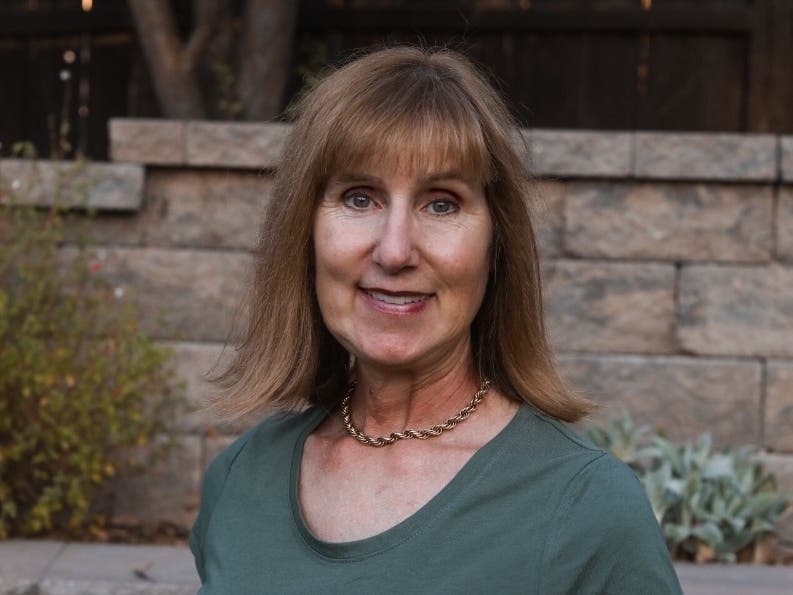
Patch reached out to all the candidates running for city council and mayor in Pleasanton. Meet Jamie Yee, candidate for District 3.


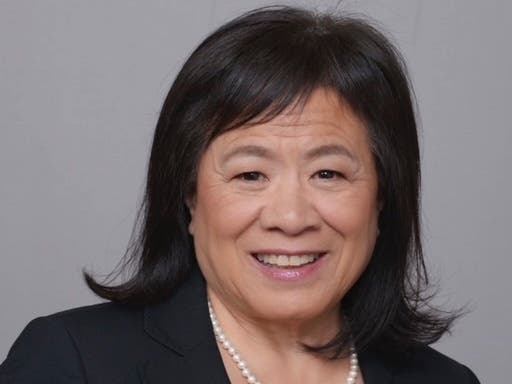
PLEASANTON, CA — Patch reached out to all the candidates for mayor and city council in Pleasanton.
Two candidates each are running for mayor, District 1, and District 2.
We sent out questionnaires and reprinted their answers verbatim. Below, read the responses of Jamie Yee, who's running in District 3.
Find out what's happening in Pleasantonfor free with the latest updates from Patch.
What is your educational background?
I attended Pleasanton public schools from Alisal Elementary through Foothill High School. I also completed the California School Boards Association’s Masters in Governance training program for elected school board members.
Find out what's happening in Pleasantonfor free with the latest updates from Patch.
What is your professional background?
For the past 18 years, I have worked for Alameda County Health, a 1,800-employee public agency with a $1.4 billion annual budget. I currently serve as a Special Projects Communications Manager in the Office of the Agency Director, supporting communications and coordination across the agency. I have also held roles in program leadership, policy and community relations, and served one year as Chief of Staff to a newly elected Alameda County Supervisor.
Have you ever held public office, whether appointive or elective?
-Commissioner, City of Pleasanton Civic Arts Commission, April 2021 - April 2025 • Elected- Board of Trustees, Pleasanton Unified School District, 2008 – 2020, Board President, 2014, 2016 • Tri-Valley ROP, Board of Trustees, 2010 – 2012, President, 2011 - 2012 • Member, City of Pleasanton Economic Vitality Committee, 2013 – 2020 • Pleasanton Unified School District, Policy, Facilities, and Audit Committees, 2008- 2020
What are the top three issues facing Pleasanton right now?
1. Long-term fiscal stability, Transparency and Accountability. Pleasanton has a structural budget deficit, and we need to align ongoing spending with ongoing revenue while protecting essential services.
2. Responsible housing growth and infrastructure. We need to meet our housing obligations while planning for traffic, water, roads and other infrastructure—and create more attainable ownership opportunities.
3. Public safety and a strong local economy. Recent business burglaries reinforce the need for effective policing, regional coordination and support for local businesses. A healthy business community also strengthens the city’s revenue base.
What is one specific action you would prioritize during your first year in office?
In my first year, I would work with the City Manager and staff to establish clear expectations for the information provided to the Council on major decisions—including the underlying data, alternatives considered, fiscal impacts, and long-term operating or maintenance costs, not just the recommended option. From my experience working with a new school district superintendent, I know that building a productive relationship with staff is essential to moving issues forward. My service on different committees and commissions has also reinforced that councilmembers, advisory bodies, and the public need enough information to ask questions and understand the trade-offs. Better information leads to better decisions and greater public trust.
Pleasanton has faced projected multimillion-dollar budget shortfalls. What services would you protect, and what combination of spending reductions or new revenue would you support to stabilize city finances?
I would protect core public safety and emergency response, along with the basic services and infrastructure residents rely on, including streets, parks and public facilities.
I would not begin with across-the-board cuts. I would look at service levels, vacancies, contracts, internal processes and opportunities to share or streamline services before reducing programs residents use. At the same time, recurring expenses need recurring revenue. Pleasanton needs to strengthen its revenue base through economic development, supporting existing businesses and making the most of opportunities at Stoneridge, Hacienda and other commercial areas.
One-time reserves can help manage transitions or one-time needs, but they should not be used to hide an ongoing structural imbalance. We need a long-term plan that shows the full cost of services and infrastructure and gives residents enough information to understand the choices being made.
Pleasanton must accommodate substantial new housing growth, including redevelopment around the Stoneridge Shopping Center. Where should new housing be concentrated, and how should the city address affordability, traffic and infrastructure impacts?
I would concentrate much of Pleasanton’s new housing in areas already planned for significant change—particularly Stoneridge, transit-served areas, Hacienda and other underused commercial properties—rather than relying primarily on established neighborhoods.
At Stoneridge, housing should be part of a true mixed-use redevelopment that also preserves commercial activity, creates public spaces and improves circulation. Affordability also needs to include attainable homeownership. I want Pleasanton to reexamine its inclusionary housing approach and use local tools such as unit sizing, zoning and development standards to encourage smaller condos, townhomes and other ownership options.
Growth has costs. Traffic, water, streets, public safety and other infrastructure need to be evaluated as part of development decisions, with clear expectations about how those impacts will be addressed and funded. Planning earlier gives the city more ability to shape good outcomes.
Pleasanton businesses have experienced a recent series of burglaries and break-ins. What specific steps should the city take to reduce property crime and support affected businesses?
The recent burglaries show why public safety has to remain a core city service. We need to make sure police staffing supports proactive patrols and investigations, and use targeted deployment based on when and where crimes are occurring, including visible patrols during vulnerable early-morning hours. The city should also strengthen direct communication with businesses, provide practical crime-prevention information and make it easy to report suspicious activity. After a burglary, we should help businesses navigate police follow-up and any support needed to help businesses recover as quickly as possible.
Measure HH would increase Pleasanton’s hotel tax from 10% to 12%, generating an estimated $2.3 million annually for general city services. Do you support or oppose the measure, and how should the additional revenue be used if it passes?
I support Measure HH. Pleasanton’s hotel tax is currently 8% and has not changed since 1983. Measure HH would phase it to 10% in 2027 and 12% in 2028. Because it is paid primarily by overnight visitors, it would provide additional recurring General Fund revenue. If it passes, I would use the additional revenue to help stabilize core services, particularly public safety and infrastructure maintenance, while continuing to look for operating efficiencies and stronger economic development. The measure does not solve the structural deficit by itself, so it needs to be part of a broader long-term financial plan rather than treated as the complete solution.
Why do you feel you're a better candidate than your opponents?
What distinguishes me is the combination of deep roots in Pleasanton and experience actually governing. I attended Pleasanton schools, raised my family here, and served 12 years as an elected school board trustee. I have also spent nearly 20 years in Alameda County working in the public service sector. I have worked through difficult budget and financial issues, facilities and infrastructure decisions, audits, labor issues, public meetings, and long-term planning. I have also hired and evaluated several school district superintendents. I know how to work constructively with staff while still asking questions and providing independent oversight. Pleasanton is facing consequential decisions about its finances, housing, infrastructure, water, and public safety, and I would bring that governing experience to the council.
Get more local news delivered straight to your inbox. Sign up for free Patch newsletters and alerts.