Community Corner
Complaints Drive $360K Sonoma County Airport Noise Plan
Sonoma County funds voluntary flight proposals after sustained complaints and demands for relief from airplane noise.


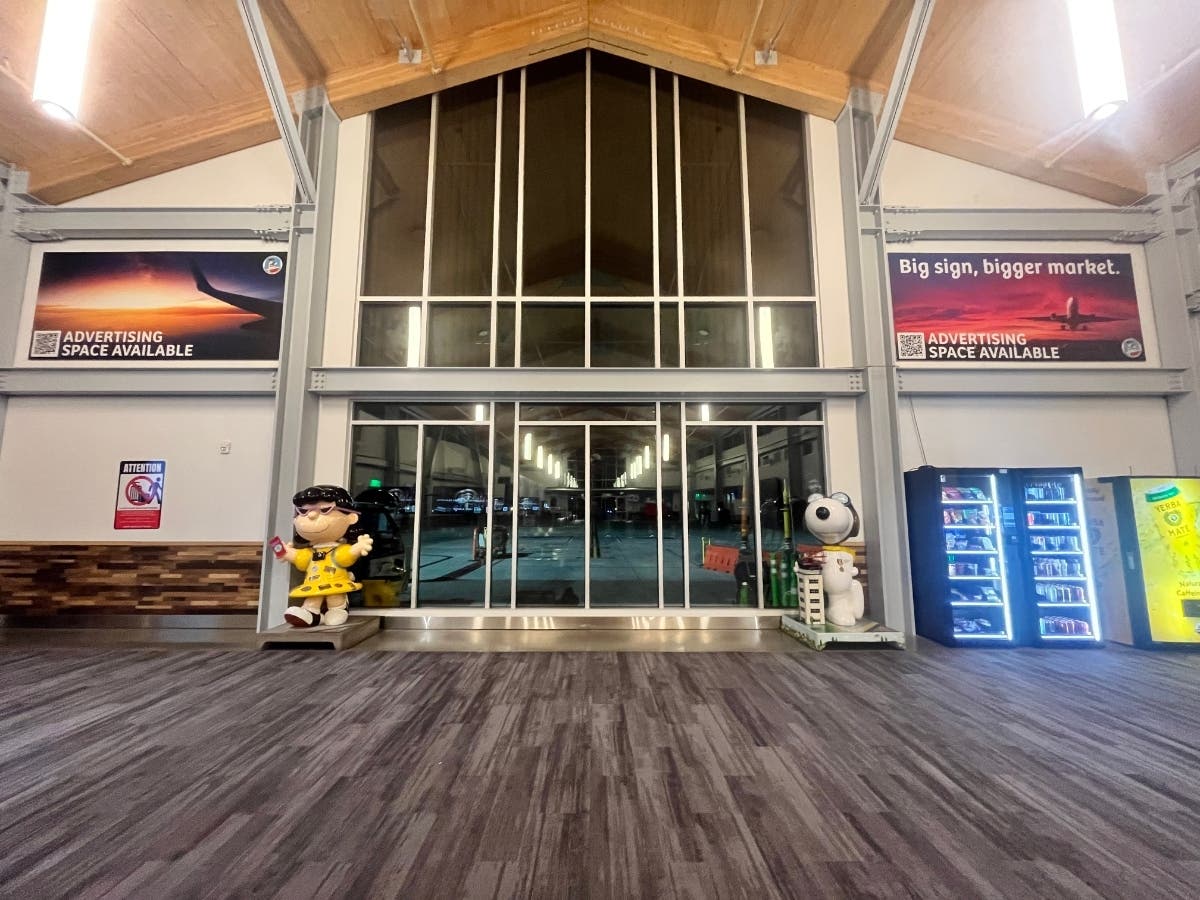
SONOMA COUNTY, CA — Sonoma County supervisors approved $360,000 in airport noise contracts Tuesday over objections that the county needs better data before spending more money on measures that cannot guarantee quieter neighborhoods.
The board voted 3–2 to authorize agreements with Cignus Consulting, LLC, for a voluntary Fly Quiet program and new arrival and departure proposals for Charles M. Schulz–Sonoma County Airport.
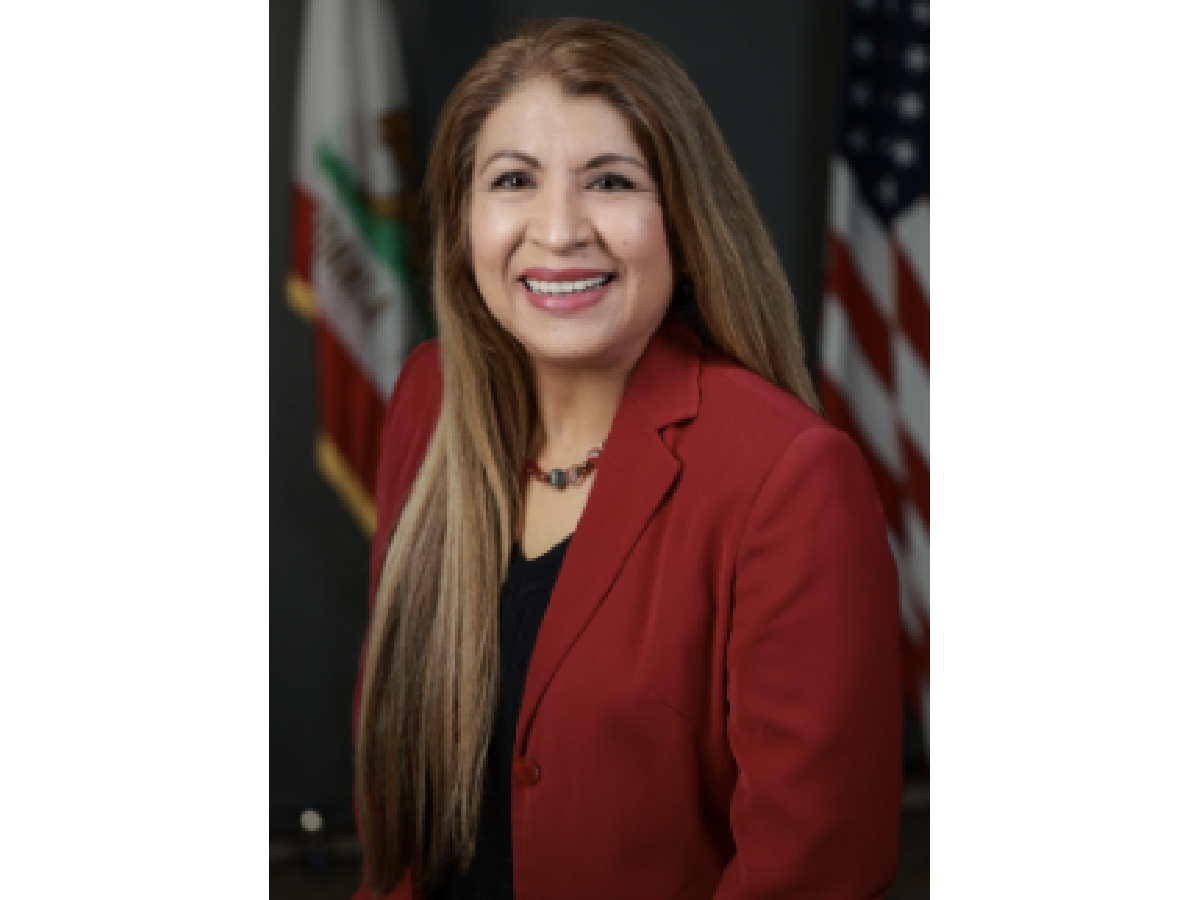
Supervisors Rebecca Hermosillo, James Gore, and David Rabbitt supported the plan. Supervisors Chris Coursey and Lynda Hopkins opposed it.
Find out what's happening in Rohnert Park-Cotatifor free with the latest updates from Patch.
Fly Quiet
The decision followed residents’ complaints about flights disrupting their homes and questions about whether voluntary cooperation by airlines would deliver the relief residents have been demanding as the airline routes change and traffic at the airport picks up.
The airport recorded 46,131 noise concerns from January through July 2026, compared with 10,755 during the same period in 2025
Find out what's happening in Rohnert Park-Cotatifor free with the latest updates from Patch.
That represents a 329 percent increase. Reports concentrated in West County, although the totals count submitted concerns rather than individual aircraft events or measured sound levels.
The agreements commit up to $90,000 to launch Fly Quiet and $270,000 to develop new flight procedure concepts.
Supervisors directed staff to include the spending in the fiscal 2026–27 midyear budget adjustment, using the airport fund balance.
The county previously authorized $553,500 for two earlier phases that examined existing procedures, developed refinements, supported federal submissions, and prepared the Fly Quiet framework.
Under the plan, airport executives will be tasked with setting voluntary quiet hours, developing quarterly carrier scores, recognizing participating operators, educating pilots, and creating a public reporting dashboard. The program also will establish a community roundtable.
Airport Manager John Stout told supervisors that the roundtable would bring airlines and neighbors together to discuss operational changes. He anticipated roughly 15 members, with supervisors deciding the membership.
Residents questioned what would compel airlines to cooperate.
Kathy Differding, a junior college instructor who said she has lived in West County for more than 50 years, challenged the program’s reliance on voluntary action.
“There’s no teeth in it. There’s no incentive. There’s no accountability,” Differding told supervisors.
Andrea Orrick supported the roundtable and additional flight options but questioned whether virtual noise modeling would capture residents’ experiences. She urged the county to account for terrain and ambient sound.
No Fines, Fees
Pilots must follow safety requirements and air traffic control instructions, and weather and aircraft capabilities can limit their choices. But Fly Quiet scores will not trigger fines, punitive fees, or denial of airport access.
The Phase III agreement directs aviation consultant Cignus Consulting, LLC, to evaluate up to 16 flight procedure concepts and submit eight to the Federal Aviation Administration: one arrival and one departure for each of the airport’s four runway ends.
Cignus will compare noise exposure, terrain, obstacles, fuel use, aircraft performance, and surrounding air traffic, identifying which communities would benefit and which could face more noise.
County officials will review evaluation criteria and selected concepts before submission. The agreement guarantees no noise outcome, federal approval, or implementation date.
Officials expect 12 to 15 months will be needed to prepare submissions, followed by another 24 to 36 months for FAA review. The FAA can modify, defer, or reject the proposals.
West County resident Brad Alper urged supervisors to wait for the FAA’s response to his separate departure procedure request before signing another consulting contract.
“Why would you pay twice?” Alper asked during the meeting.
Stout said the county’s proposed work would examine airportwide options, including arrivals and departures affecting communities north of the airport.
Coursey called the spending premature and sought an explanation for recent declines in complaints. He questioned why the county should commission more work while existing proposals await federal review.
Hopkins requested clearer comparisons of noise exposure under existing departure procedures. She also urged officials to explore curfew advocacy and possible legal avenues concerning the FAA’s earlier actions.
Supporters argued that the county needed proposals it could present to federal officials.
Rabbitt said the county must have something concrete to support its advocacy, even if the FAA ultimately changes the proposals. Gore backed the allocation and called for stronger coordination with residents and federal partners.
The $360,000 authorization does not cover every potential expense. The presentation lists a separate virtual noise software license at an estimated $25,000 annually. The Phase III agreement identifies possible future consulting support and environmental review costs that would require separate agreements.
The board directed County Executive David Guhin and airport staff to spend the next two months developing the program’s structure, community participation, and sequence of work.
Airport Manager John Stout suggested a roughly 15-member roundtable that would bring residents, airline representatives, and the FAA together for quarterly meetings.
Supervisors would determine its membership. The group would give neighbors a forum to describe noise impacts and discuss possible changes directly with operators, while airlines could explain safety and operational limits.
The contracts also provide for community outreach as the work proceeds, including technical support for up to four county-led sessions on proposed flight procedures before submission to the FAA.
Get more local news delivered straight to your inbox. Sign up for free Patch newsletters and alerts.