Neighbor News
Eid ul-Adha: The “Festival of Sacrifice”
True sacrifice is rarely convenient, but it is often necessary for growth, compassion, and faith.
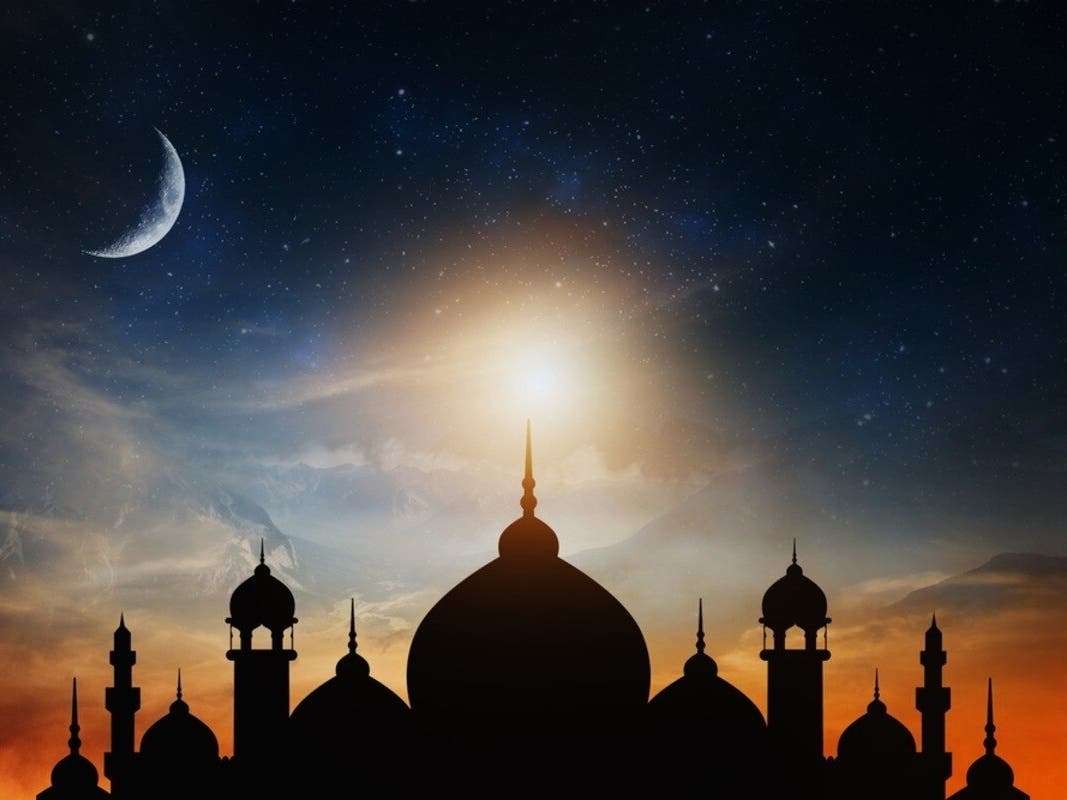
As families around the world prepare to celebrate Eid ul-Adha, the holiday arrives with a message that feels deeply needed today: sacrifice is one of the purest expressions of love. Its deeper lesson is that sacrifice is not measured solely by what is given up, but by the intention behind it.
Eid-ul-Adha honors the story of Prophet Abraham (peace be upon him) and his willingness to surrender what was most precious to him out of faith and devotion to God. For generations, that story has symbolized trust, obedience, and humility. But beyond the religious tradition, the meaning of sacrifice is something nearly everyone understands on a human level.
Not all sacrifice looks dramatic. Most of it happens quietly.
Find out what's happening in Temeculafor free with the latest updates from Patch.
It is the mother working extra hours while still making it to every school event. It is the father who hides his exhaustion because his family depends on him. It is the grandparent raising grandchildren for a second time. It is the nurse missing holidays at home to care for strangers. It is the student sacrificing sleep and comfort in hopes of building a better future.
In today’s world, sacrifice often goes unnoticed because we have become so accustomed to seeing people carry heavy burdens in silence. Social media celebrates success, luxury, and instant gratification, but rarely the long nights, difficult choices, and personal struggles that make those successes possible.
Find out what's happening in Temeculafor free with the latest updates from Patch.
That is what makes Eid-ul-Adha so powerful. It asks people to pause and remember that some of life’s most meaningful acts are rooted not in what we gain, but in what we are willing to give for others.
The holiday is also a reminder that sacrifice should lead to compassion. During Eid-ul-Adha, families share meals and provide for those in need, reinforcing the idea that blessings are meant to be shared, not kept to ourselves. In a time when many people feel isolated or divided, there is something profoundly healing about traditions centered around generosity, community, and care for one another.
Perhaps the most difficult sacrifice in modern life is the sacrifice of ego — choosing patience over anger, understanding over judgment, and kindness over pride. Those choices rarely make headlines, but they shape families, friendships, and communities every single day.
Eid-ul-Adha reminds us that faith is not only found in worship, but also in the quiet decisions people make to put others before themselves — the parent who keeps going despite exhaustion, the friend who stays when times get hard, and the person who gives even when they themselves have little.
These are sacrifices too.
And maybe that is why the message of Eid-ul-Adha continues to resonate so strongly across generations. At its heart, Eid-ul-Adha is not simply about giving something up. It is about love strong enough to place someone else’s needs before your own — and believing that no act of sincere sacrifice is ever unseen.