Health & Fitness
Flu Season Surges Early In CA, 87 Deaths Reported: What To Know
Influenza A is dominating early tests, and multiple children have died in California. Will this vaccine help keep the flu at bay?


CALIFORNIA — Flu season is off to an early start in California, claiming 87 lives, including at least 3 children as of mid October.
With infections and hospitalizations increasing across wide swaths of the state, health officials are urging residents to get vaccinated in time to fight off the traditional winter peak. The spike in early flu deaths has healthcare officials bracing for a potentially severe flu season.
On Thursday, health officials in San Diego County confirmed the state's first pediatric flu deaths of the season. The children, a previously healthy 11-year-old and a 6-month-old with complex medical conditions, died this month, county officials announced. The next day, health officials in San Bernardino County confirmed the influenza death of another child, who was too young to be vaccinated.
Find out what's happening in Temeculafor free with the latest updates from Patch.
“Our deepest condolences go out to the family,” San Bernardino County Health Officer Dr. Sharon Wang said in a written statement. “Losing a child to flu is a devastating reminder of how serious respiratory viruses can be, especially for our youngest and most vulnerable residents.”
The flu season typically lasts from Nov. 1 to the end of April, and the early deaths have health officials concerned about what peak season holds in store.
Find out what's happening in Temeculafor free with the latest updates from Patch.
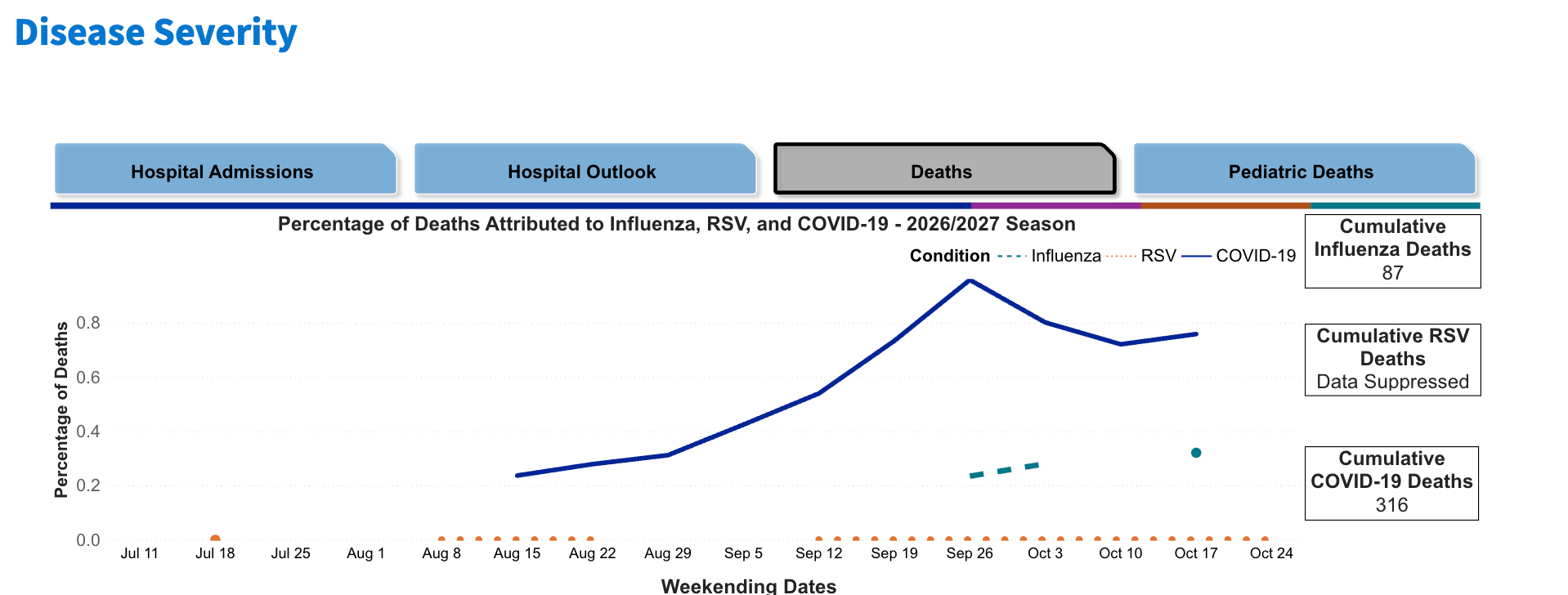
“Flu activity for the current season began earlier than usual, marked by a pediatric flu‑related death in October,” the San Bernardino County Public Health Department added. “In comparison, the first reported pediatric flu death of the 2025-2026 season occurred in February 2026.”
So far this season, San Diego County has recorded 11 flu-related deaths and 516 hospitalizations, compared with two deaths and 86 hospitalizations at the same point last year.
In early October, at the official start of the 2026-27 flu season, San Francisco health officials reported the city's first flu-related death. According to the California Department of Public Health, the influenza rate across the state shows seasonal flu activity is "moderate to high," with the Bay Area showing the highest flu rate. Elsewhere, Southern California's coastal and inland areas show a moderate rate of spread, while central and northern California remain at a low flu virus positivity rate.
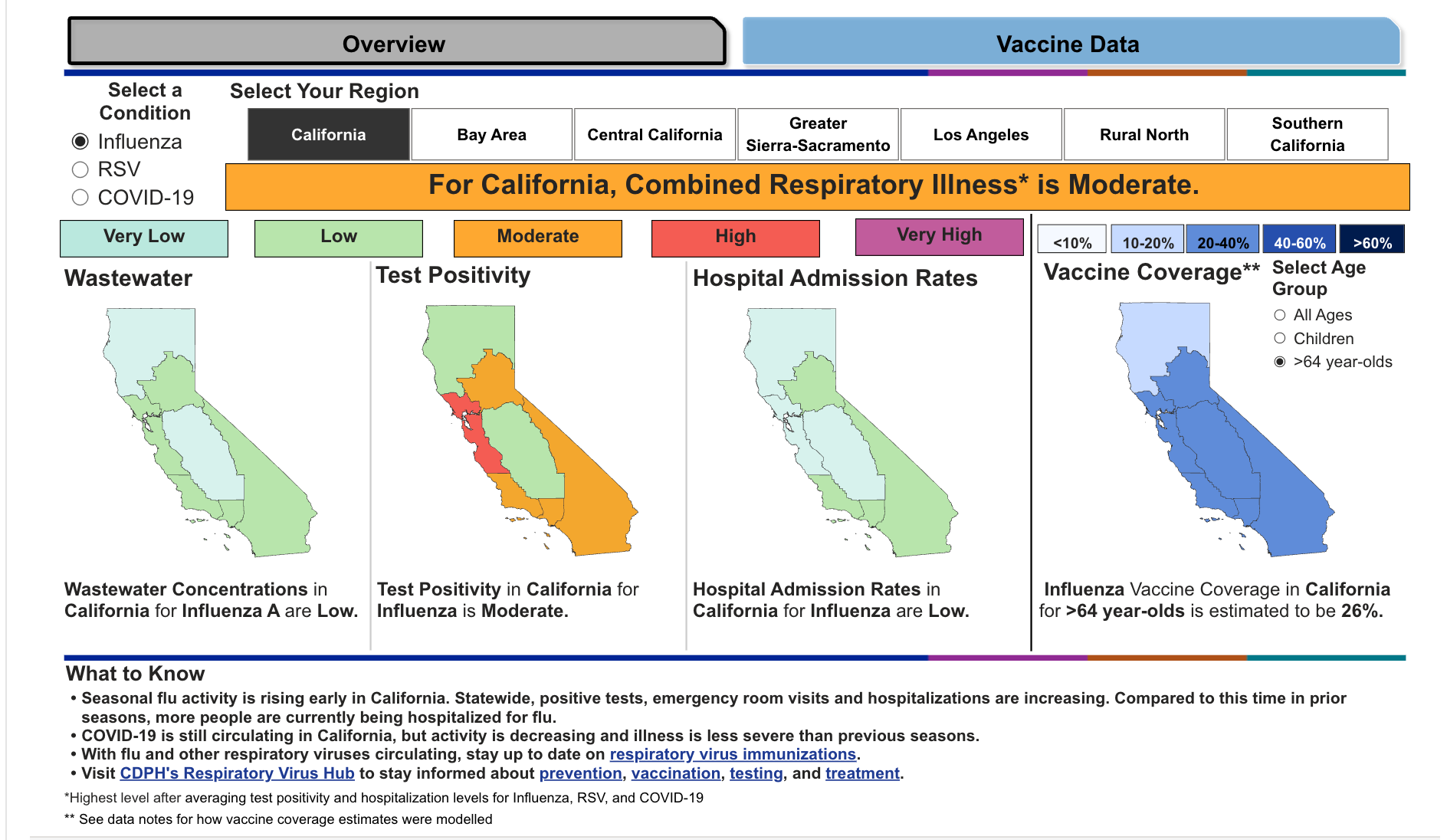
In Southern California's Inland Empire, hospitalizations tied to flu complications are already increasing as the new flu season gets underway. Riverside University Health System, the county's Department of Public Health, shared that as of October, no influenza-coded deaths have been reported this season.
The CDC advises that September and October are generally good times for most people to get vaccinated because protective antibodies take about two weeks to develop.
Influenza cases typically peak during the winter months, according to the CDC, and vaccinations are readily available at most medical offices and pharmacies, as well as through public health clinics. This year's vaccine will combat the most recently seen strain of Influenza A, according to the CDC and other health officials.
In an early October update, the Riverside University Health System's Epidemiology & Program Evaluation program shared with Patch that flu activity is already outpacing the 2025-26 season. They are urging residents not to wait until influenza becomes widespread.
"This season appears to have started earlier than in recent years. Current influenza test positivity, hospital admissions, and Emergency Department visits are already comparable to the levels we typically saw in late October or early November last season," an Riverside University Health System spokesperson said.
"Influenza test positivity is currently highest among children ages 5 to 17, at nearly twice the rate observed across all age groups," according to Riverside University Health System. "Similar to previous seasons, emergency department visits are more elevated among younger age groups, while hospital admissions are highest among older adults."
Annual flu vaccinations are recommended for everyone 6 months and older, with particular emphasis on people at greater risk for serious complications, including young children, adults 65 and older, pregnant people and those with certain chronic health conditions.
The recent San Francisco death is another reminder that respiratory viruses such as influenza and COVID-19 should be taken seriously, San Francisco Health Officer Dr. Susan Philip said, "especially for people who are at higher risk of getting sick."
Riverside University Health System epidemiologists also cautioned that flu activity could accelerate as Californians move deeper into fall and winter.
"Based on patterns observed in previous influenza seasons, influenza activity can increase significantly during the holiday season and winter months, when increased travel, school breaks, indoor gatherings, and family and social interactions may contribute to transmission," they said, noting that the timing and magnitude of seasonal increases can vary from year to year.
"With fall festivities approaching, we want people to stay healthy and do all the fun and joyful things they want to do. Vaccines help make this happen,” Philip said. “The flu and COVID vaccines are covered by most major health plans, including Medi-Cal. Please make an appointment to get vaccinated today.”
Influenza A Spiking In Wastewater Samples
Influenza A levels are reaching high concentrations in parts of the Bay Area, according to recent Wastewater SCAN reports. This flu strain is included as one of the three components of the 2026–2027 influenza vaccines, according to the CDC.
In Southern California, the Inland Empire's Regional Water Recycling Plant shows an upward trend in Influenza A over the last 21 days, with high concentrations. Los Angeles County is reporting medium concentrations, according to the same monitoring network.
Seasonal influenza activity remained relatively low nationally in late September, but it was increasing. According to the CDC, 3.4 percent of respiratory specimens tested during the week ending Sept. 26 were positive for influenza, up from 2.7 percent the previous week.
Of the positive flu specimens reported to the CDC in early October, 96.3 percent were Influenza A and 3.7 percent were Influenza B.
Who Should Get The Flu Shot In California
The West Coast Health Alliance, a partnership between California, Hawaii, Oregon and Washington, issued recommendations for the 2026-27 respiratory virus season emphasizing vaccination as one of the primary tools for reducing serious illness and pressure on healthcare systems..
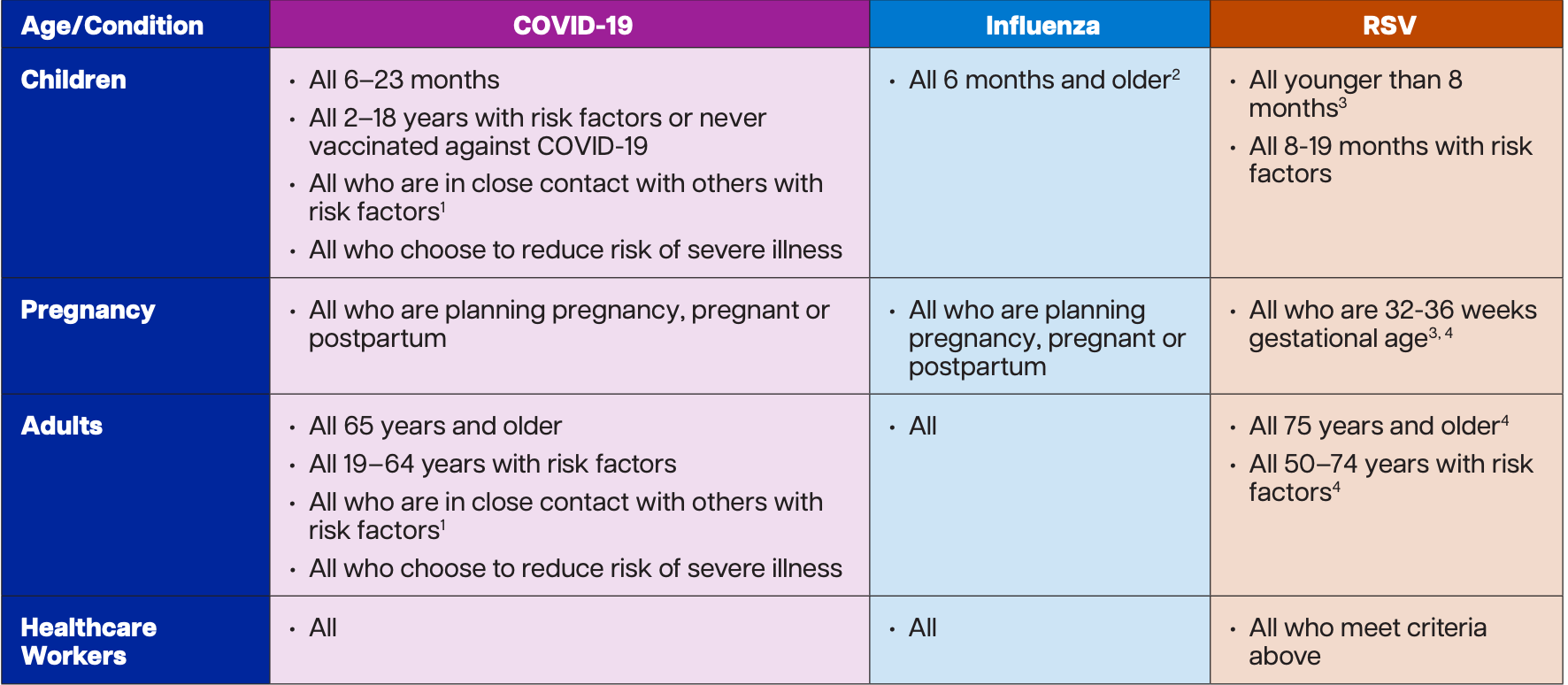
"Everyone age six months and older is recommended to receive a yearly flu vaccine, especially people who are at increased risk for flu complications such as pregnant people, adults 65 years and over, and infants and toddlers," according to the agency.
Seasonal flu vaccines are designed to protect against Influenza A and Influenza B viruses expected to circulate during the season. Health officials continue monitoring circulating strains throughout the fall and winter to determine how closely they resemble the viruses targeted by this year's vaccine.
When Flu Becomes Serious
According to Riverside University Health System, respiratory viruses such as influenza and RSV continue to affect the community, causing illness and placing strain on families and healthcare systems.
“These viruses can lead to serious complications for anyone, but especially for young children, older adults and those with underlying conditions. It’s important everyone knows the signs of when to seek emergency care,” said Dr. Chevinsky.
Signs And Symptoms Of The Flu
Flu symptoms often come on suddenly and can include fever or chills, cough, sore throat, runny or stuffy nose, muscle or body aches, headaches and fatigue. Some people, particularly children, may also experience vomiting or diarrhea.
Testing can help distinguish influenza from other respiratory illnesses, including COVID-19 and RSV. Riverside University Health System offers additional information about respiratory viruses and when to seek medical care.
Some respiratory viruses, including influenza, COVID-19 and RSV, have vaccines or other preventive immunizations available for eligible people. Antiviral medications are also available to treat influenza and COVID-19 in appropriate patients. The antivirals are most effective when taken in the early stages of an infection.
Antibiotics do not treat influenza or other viral respiratory infections; they work against bacterial infections.
People with mild flu symptoms should rest, drink plenty of fluids and talk with their healthcare provider about appropriate over-the-counter medications. People at increased risk of serious flu complications should contact their healthcare provider promptly if they develop symptoms because prescription antiviral medications work best when treatment begins early.
Most people who get flu recover in a few days to less than two weeks, but some develop complications, including pneumonia, that can become life-threatening.
Immediate medical attention should be sought for children experiencing chest pain, trouble breathing, seizures, severe muscle pain, dehydration or ribs pulling in with each breath while battling a respiratory virus.
Adults who experience worsening shortness of breath, chest pain or pressure, severe muscle pain or weakness, confusion, severe or persistent vomiting, or worsening chronic medical conditions should also seek emergency care.
More California News:
- Run-DMC Rapper Injured In Crash With Garbage Truck On LA Freeway: Reports
- 100+ Buildings Damaged By Flooding In Orange County As Tides Recede
- Mavericks Pioneer Recalls Near-Death Fears As SMC Honors Surfing
- Pumpkin-Throwing Suspect Bites Grocery Store Employee's Arm: Police
- Trump's Escalating Data Center Push On Private Lands Challenged By Bay Area Lawmakers
- Patrick Stewart, Legendary 'Star Trek' Actor, Dies At 86
- Police Arrest Driver Accused of Approaching Schoolchildren
- 1-Year-Old Dies After Falling From Moving Car In Oakland Hills: Mayor
Get more local news delivered straight to your inbox. Sign up for free Patch newsletters and alerts.