Community Corner
SDG&E Changes Golden Pacific Powerlink Route: Here's Why Temecula Remains At Risk
The utility's new preferred route bypasses Temecula, but the city remains an alternative route for the 200-foot-tall transmission lines.


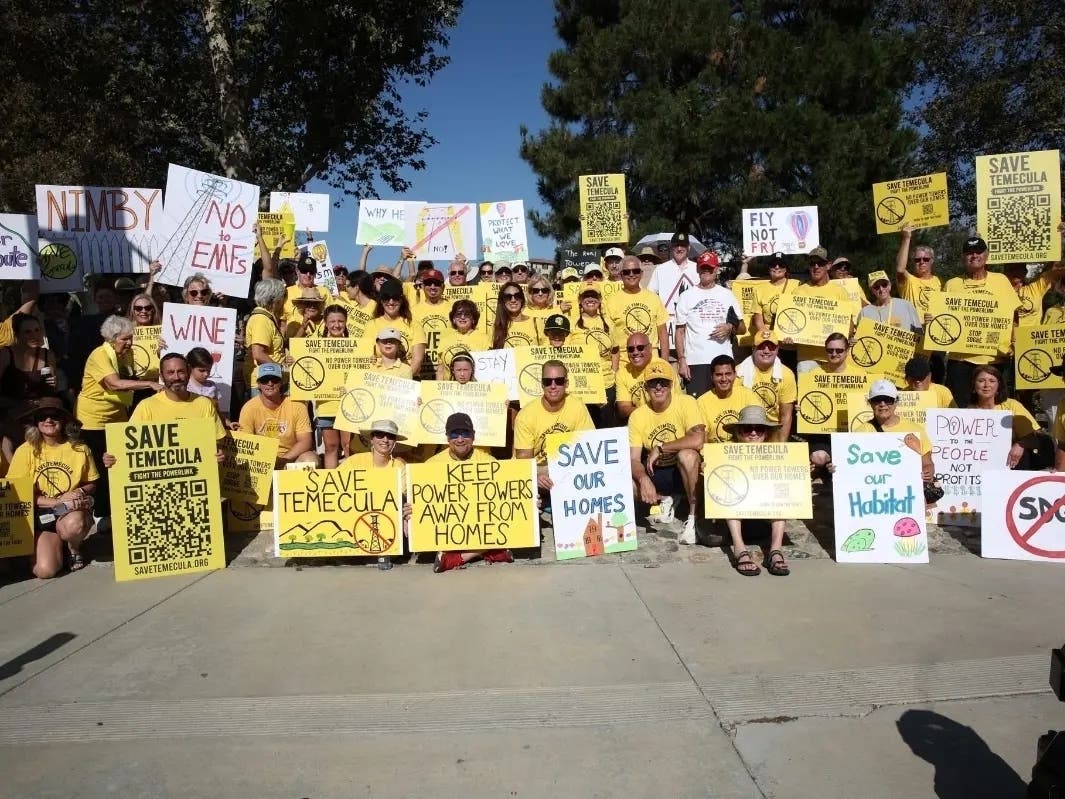
TEMECULA, CA — San Diego Gas & Electric has shifted its preferred route for the proposed Golden Pacific Powerlink away from Temecula, a significant development for residents fighting the massive transmission project. But the city remains on the map as one of three alternative routes under consideration.
The newly preferred South Mountain Route would bypass Temecula while bringing the proposed 500-kilovolt transmission line through portions of Anza-Borrego Desert State Park, U.S. Forest Service land and communities farther south, including the Palomar Mountain area. The route would cross Interstate 15 about five miles south of Temecula, according to project maps.
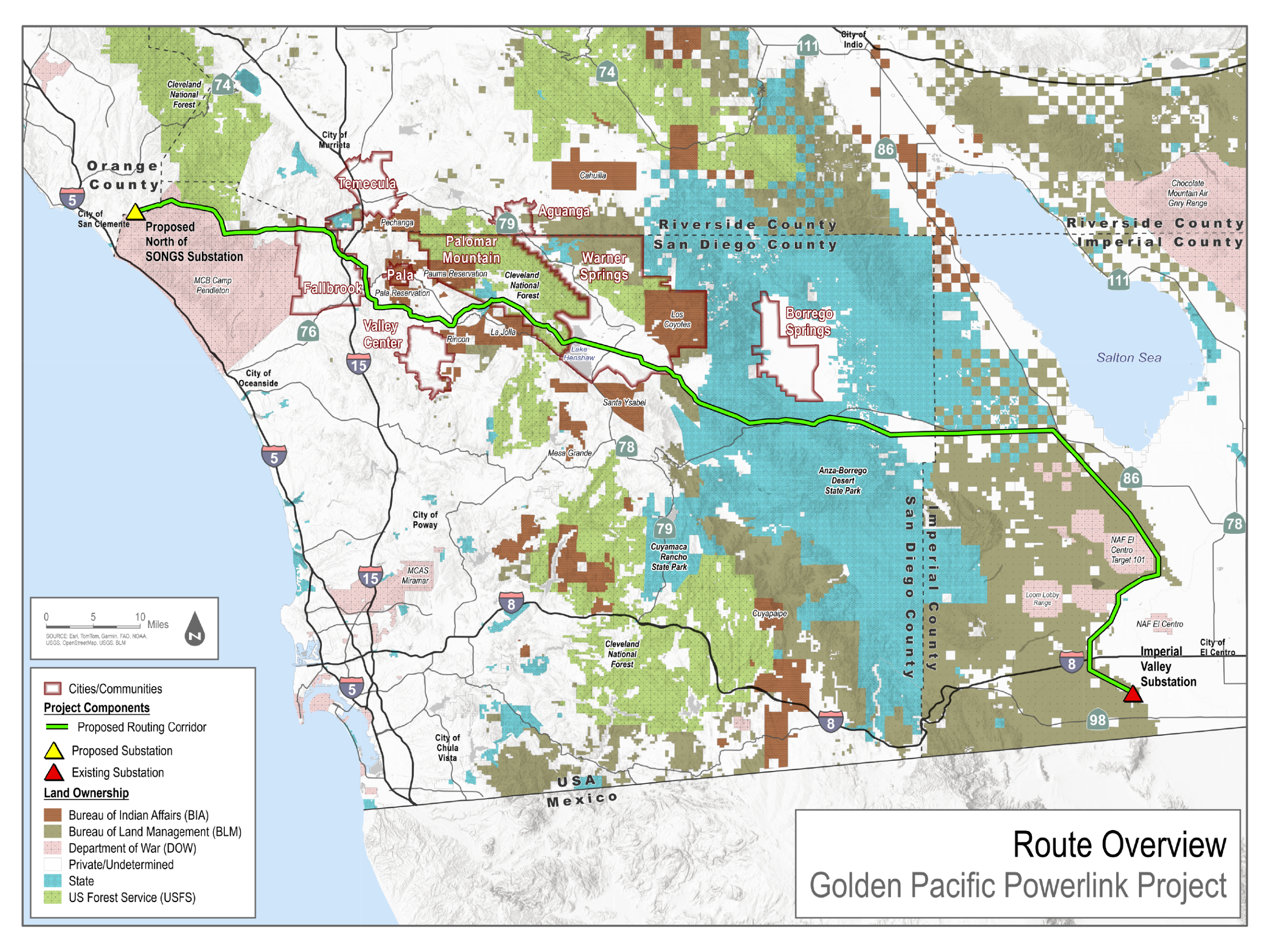
The change sparks a potential victory for Temecula residents who have spent months opposing the project. However, the Riverside County Alternative, which would bring energized transmission towers up to 191 feet tall through the Temecula Valley, remains under consideration as SDG&E prepares to submit its application to the California Public Utilities Commission.
Find out what's happening in Temeculafor free with the latest updates from Patch.
Temecula City Councilmember Brenden Kalfus welcomed the change in a social media message, but cautioned that the city's fight is not over.
"This is a big step in the right direction for Temecula, and it's happened because so many people have shown up, so many people have spoken out, and you've made our voices heard," Kalfus said. "Thank you to everyone who continues to stay involved."
Find out what's happening in Temeculafor free with the latest updates from Patch.
Kalfus said Temecula would also continue supporting communities to the south that could be affected by the new preferred route.
Temecula Still Faces Possible Power Line Route: What's At Stake
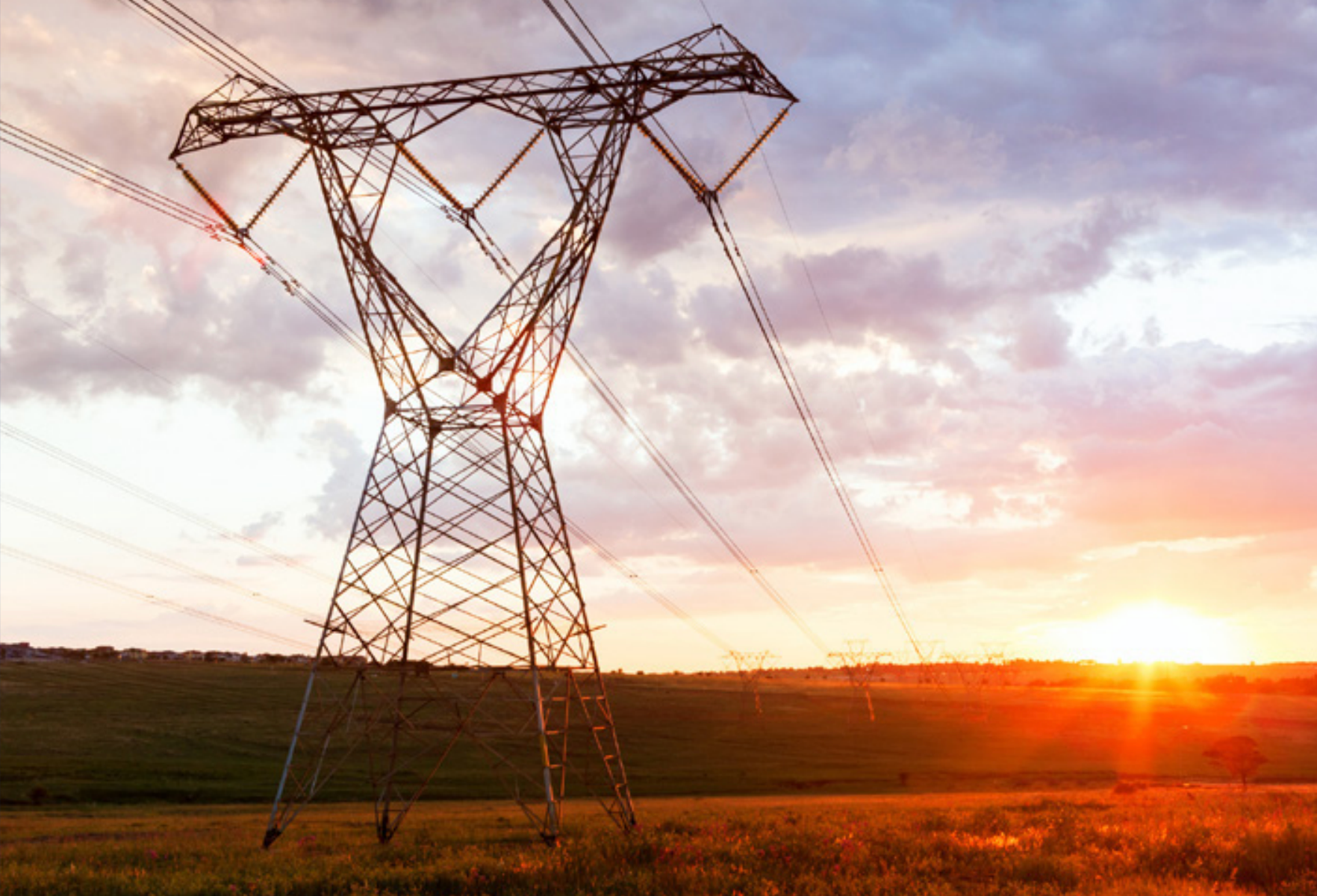
According to the Golden Pacific Powerlink website, SDG&E plans to submit three alternative routes alongside its preferred proposal for environmental review.
"SDG&E is also submitting three preliminary proposed alternatives that are feasible and meet the project objectives to the California Public Utilities Commission for evaluation in the environmental review portion of the project," the utility states on its website.
The CPUC, which must review and approve the project, is expected to receive SDG&E's application by the end of 2026. The commission will evaluate environmental impacts and consider alternatives before making a final decision.
For Save Temecula, the nonprofit organization formed to oppose the transmission project, the route change demonstrates the impact of sustained community opposition, but it does not eliminate the threat.
"This news is a testament to the voices of Temecula residents, who have consistently shown up and spoken up since this project became known to them earlier this year. However, the fight isn't over. Temecula is still an alternate route (The Riverside County Alternative) that SDG&E is submitting to the CPUC before the end of the year, and just as the route has changed now, it could change again," Save Temecula Communications Director Shal Renfro told Patch.
"We will not be complacent. Save Temecula and the residents of Temecula will continue to make our voices heard."
If selected, the Riverside County Alternative would carry the transmission line east to west across the Temecula Valley, with towers rising near neighborhoods, schools, parks and residential backyards.
The proposed corridor would also affect areas near Temecula Creek, the Santa Margarita River and lands of cultural significance to the Pechanga Band of Indians.
Wildfire Concerns Remain Despite Route Change
Although the preferred route now bypasses Temecula, opponents say the project continues to raise concerns about wildfire danger, evacuation routes and environmental impacts across Southern California.
"This increases wildfire danger to Temecula and surrounding communities," Renfro said. "There is no reason to build massive utility infrastructure through any communities or environmentally and culturally sensitive lands when safer, more modern alternatives exist."
Residents have also raised concerns about property values, homeowners insurance, potential effects on the Temecula Valley wine country economy and health and safety risks associated with high-voltage transmission infrastructure.
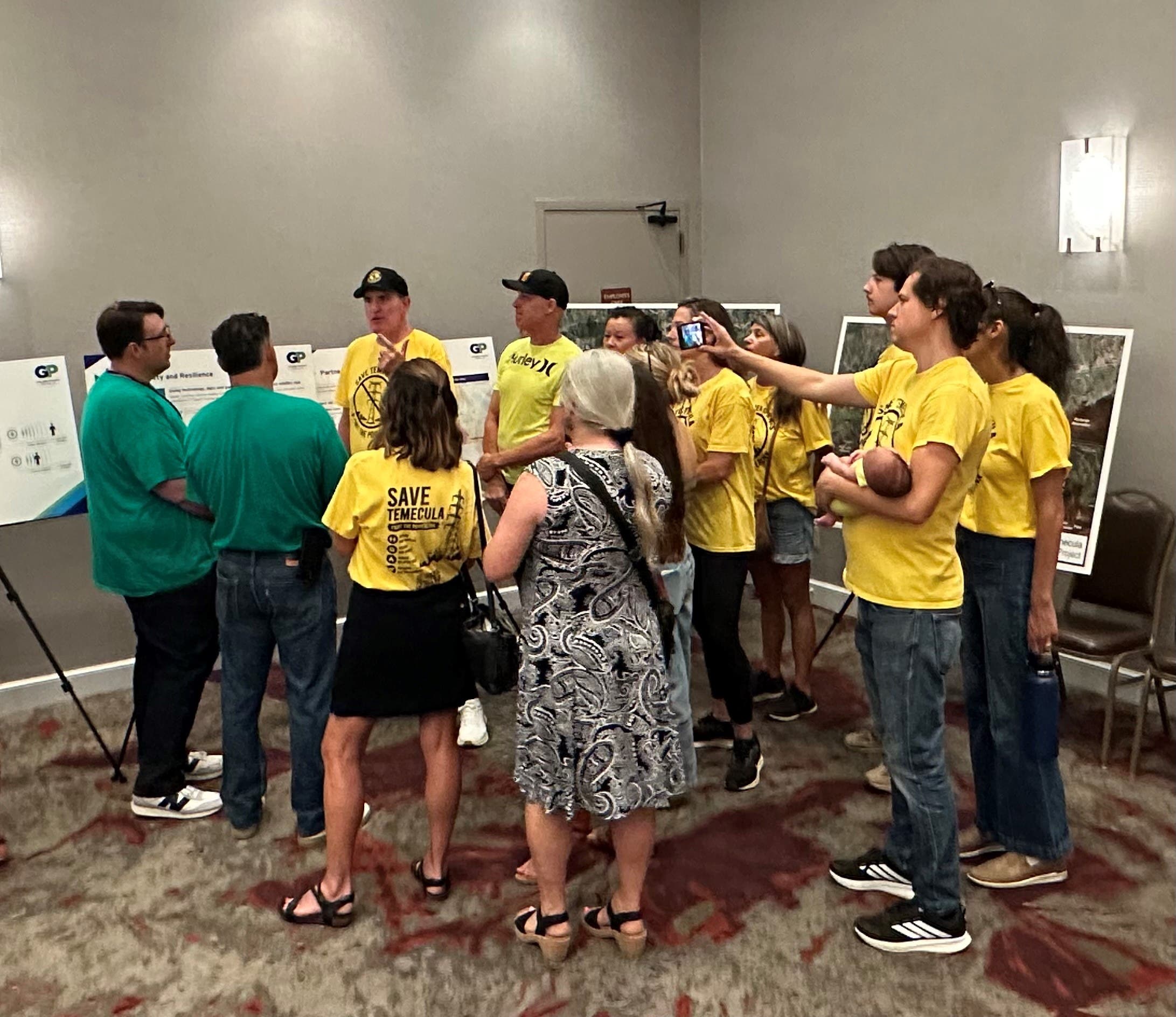
SDG&E maintains that the approximately 150-mile transmission project is needed to strengthen the regional electrical grid, improve reliability and meet growing electricity demand.
The utility's revised plans have drawn attention from residents in Warner Springs, Palomar Mountain and other communities along the potential corridors. Opponents have attended public meetings and open houses, questioned utility representatives and organized across city and county lines.
While local governments cannot independently veto the project, residents and elected officials will have opportunities to participate in the CPUC's environmental review and approval process.
Many residents are looking to the Pechanga Band of Indians to lend a hand. More than a decade ago, the city and Pechanga joined forces to spare the area from the Liberty Quarry proposal from Granite Construction.
For opponents of the Temecula power link, the latest change is encouraging, but the ultimate outcome remains uncertain.
"We cannot be complacent," Renfro and Save Temecula told Patch. "Our community pushback is working, and we still have work to do."
Related:
Temecula Pushes Back Against Massive High-Voltage Transmission Lines Planned Through The City
Save Temecula Plans Rally To Oppose 200-Foot High Power Transfer Line Through Town
'People Over Powerlines:' Temecula Residents Voice Opposition Against SDG&E Transmission Line