Neighbor News
Understanding Ramadan and Eid: A Brief Introduction
Fasting in Ramadan involves much more than simply abstaining from food and water.
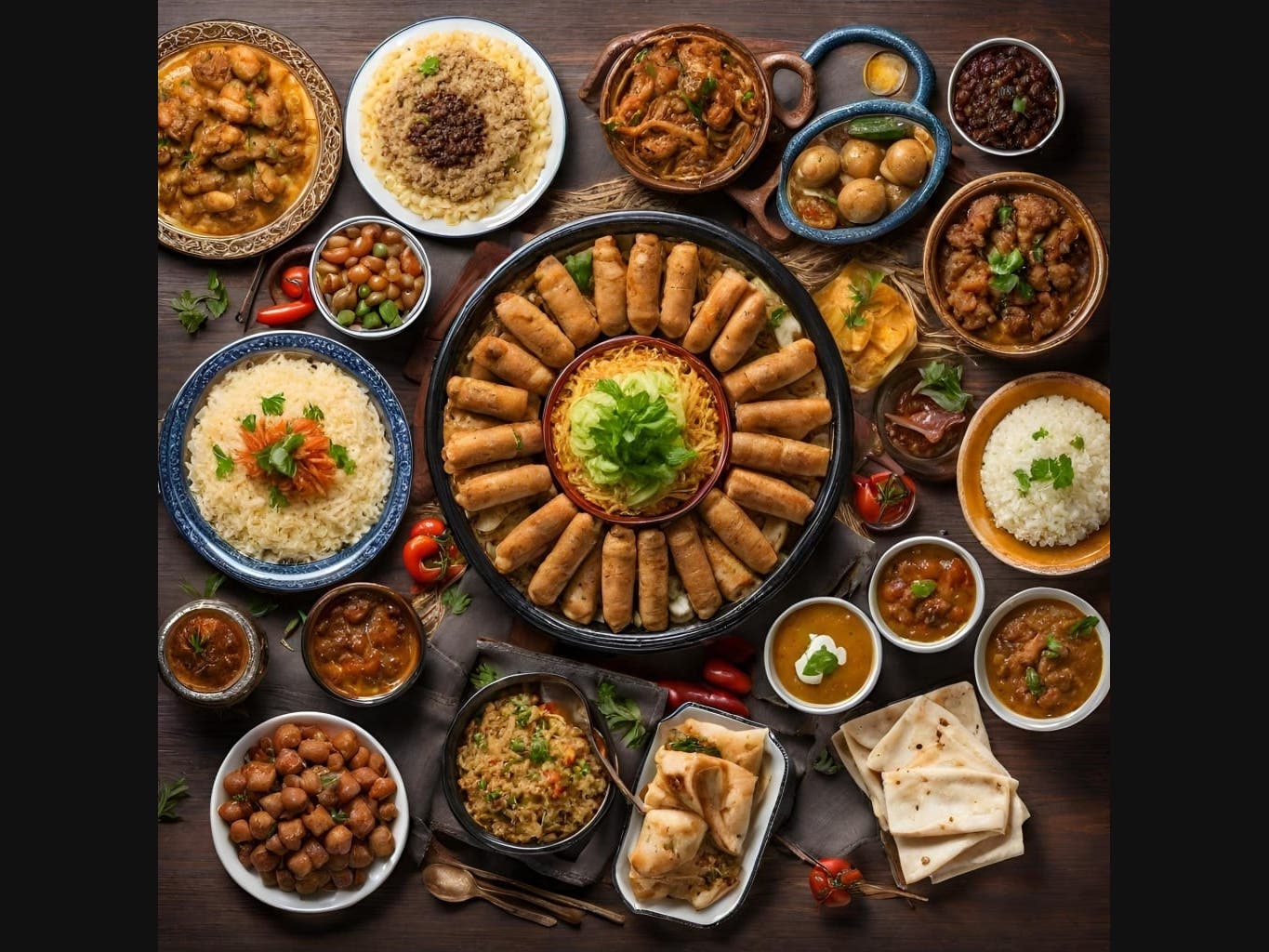
For Muslims around the world, Ramadan is one of the most sacred times of the year. It is the ninth month of the Islamic lunar calendar and commemorates the period when the first verses of the Holy Qur’an were revealed to the Prophet Muhammad (peace be upon him). During Ramadan, many Muslims fast each day from dawn until sunset, refraining from food and drink during daylight hours. However, it is important to understand that fasting is intended for healthy adult Muslims. Children, the elderly, people who are ill, pregnant or nursing women, and others whose health could be affected are not required to fast. In these cases, compassion and well-being take priority.
Fasting in Ramadan involves much more than simply abstaining from food and water. It is also a commitment to personal growth and good character. Muslims strive to be patient, kind, and charitable, to speak gently, and to treat others with respect and generosity. Acts such as helping those in need, controlling anger, and practicing humility are considered essential parts of the fast.
Each day of fasting begins with a pre-dawn meal called suhoor and ends at sunset with iftar, when families and communities gather to break the fast together, often starting with dates and water. Ramadan is also a time for increased prayer, charitable giving, and acts of kindness.
Find out what's happening in Temeculafor free with the latest updates from Patch.
At the end of the month comes Eid al-Fitr, a joyful holiday marking the completion of Ramadan. Muslims gather for a special communal prayer and celebrate with festive meals, family visits, gifts, and charity so that everyone can share in the celebration.
Together, Ramadan and Eid emphasize compassion, generosity, community, and spiritual renewal.