Community Corner
Why Renting Heavy Equipment Makes Sense for Colorado Projects
Owning heavy equipment ties up capital. Renting can be a better fit for Colorado's seasons, terrain and steady pipeline of projects.
This is a paid post contributed by a Patch Community Partner. The views expressed in this post are the author's own, and the information presented has not been verified by Patch.
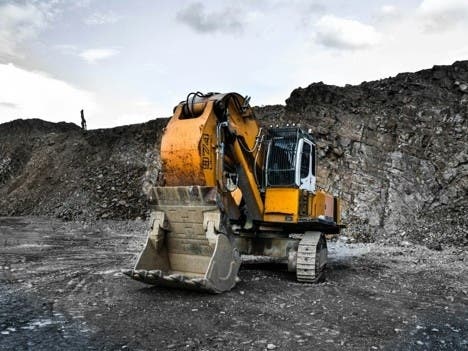
When a Denver-area contractor wins a Front Range grading job that needs a midsize excavator for about six weeks, buying one would tie up capital in a machine that may sit idle once the work wraps up. Without the right equipment, the project sits on hold. For many Colorado crews, the answer lies in what the job actually needs.
Understanding the Real Price of Owning Machinery
The sticker price is only the start. Ownership costs keep running whether or not the machine is working.
Each one falls on the owner:
- Purchase price: A large up front outlay or a financing obligation ties up cash that could go elsewhere.
- Depreciation: Resale value tends to drop with each passing year and each hour on the meter.
- Maintenance and repairs: Servicing, wear parts and breakdowns all fall on the owner.
- Insurance: Owners need coverage year-round, even during idle months.
- Storage and transport: Yard space between jobs and hauling between sites add to the bill.
Federal tax guidance lists responsibility for maintenance and the cost of operation as one of the incidents of ownership. Others include paying property taxes and bearing the risk of loss. For equipment that a crew needs only part of the year, those costs can outweigh the convenience of ownership.
Justifying the Practical Upside of Short-Term Rentals
Renting moves many of those costs to the provider and gives crews more room to plan.
For contractors, the benefits typically include:
- Having the right machine for each task: Crews can use equipment sized to the job rather than stretching a single owned machine across every project.
- Accessing maintained fleets: Providers typically handle servicing between rentals.
- Budgeting predictability: Set rates are easier to build into a bid.
- Scaling by phase: Gear can arrive early for excavation, and lifts or compaction equipment can follow. Each machine goes back when its phase ends.
Renting affects how equipment is accounted for in a project budget. It turns equipment from a fixed cost into a running cost that starts and stops with the work.
Considering Local Factors Shaping Colorado Jobsites
A few Colorado-specific conditions make that flexibility especially useful. Winter can shorten the building window in much of the state. Sites also range from flat Front Range lots to steep mountain grades, and renting lets crews match each machine to the site.
Colorado’s construction industry grew by 5,600 jobs from July 2025 to July 2026 at a 3% increase, according to the Associated General Contractors of America. More active projects can increase equipment demand, and renting lets firms take on work without buying for every contract.
Denver voters approved a $950 million infrastructure bond in November 2025 to improve roads, bridges, parks, recreation centers and libraries. That mix of project types can suit job-specific rentals better than a single fleet built for it all.
Officials expected even a typical 2025 fire season to bring around 6,000 wildfires across Colorado, and the state’s fire division director has also described the risk as year-round, with major fires in every month. Mitigation and recovery work can create sudden needs that an owned fleet struggles to cover. For crews looking to rent heavy equipment in Denver, the next step is finding a fleet built for a broad work scope.
Searching for a Denver Rental Provider
Local providers vary, so it helps to know what to look for. The fleet should cover different project phases and include seasonal and specialty equipment. The location should also be close enough to get machines on-site quickly.
For crews weighing where to rent heavy equipment in Denver, Wagner Cat Rentals is one local provider with a broad inventory. Its fleet spans more than 10,000 rental options across more than 70 brands. That range lets crews match a machine to each task and swap equipment as phases change.
Wagner Cat Rentals’ fleet also includes fire season equipment such as generators, light towers, water equipment and pumps. That gear could sit idle for much of the year if a crew bought it outright. Renting it can be a practical fit for short-notice wildfire or seasonal work. Rentals commonly run daily, weekly or monthly.
Crews work around weather-driven pauses rather than storing their own machines all winter. One example comes from the Colorado Department of Transportation. The I-70 West Vail Pass Auxiliary Lanes project paused work for the winter in November 2025, and construction was set to resume in spring 2026.
Frequently Asked Questions About Heavy Equipment Rental
A few practical questions come up for anyone planning to rent heavy equipment in Denver for the first time. Most involve who can operate the machine, how long a rental runs and who pays if something breaks.
Do renters need a license to operate rented equipment?
Requirements depend on the machine and how crews use it. Most jobsite equipment can operate without a special driver’s license, but operators should have training on the specific machine. Some specialized equipment may carry its own certification rules, so renters should confirm expectations with the provider before pickup.
How long can crews rent heavy equipment?
Rental periods vary between rental companies, but longer-term contracts usually come with discounts. Providers may also provide transportation to move heavy equipment, such as dozers and trucks, to remote sites.
What happens if rented equipment gets damaged?
Rental agreements usually spell out responsibility and coverage, whether that’s a provider damage waiver or the renter’s own insurance. Reviewing the terms before delivery helps avoid surprises.
Building Smarter Paths for Colorado’s Next Build
Ownership carries costs that run year-round, while renting keeps equipment expenses in step with the work itself. Colorado’s short building windows, varied terrain, growing project pipeline and unpredictable fire seasons make that difference count. With rentals, crews can match equipment to each job rather than shaping jobs around the machines they own.
This post is an advertorial piece contributed by a Patch Community Partner, a local brand partner. To learn more, click here.