Politics & Government
Patch Candidate Profile: James Mol For 61st House
James Mol is seeking the 61st House District seat, which serves Suffield, East Granby and Windsor Locks.



WINDSOR LOCKS, CT — Democrat James Mol is seeking the 61st House District seat, with school funding, property taxes and payments to Bradley International Airport’s host towns among his priorities.
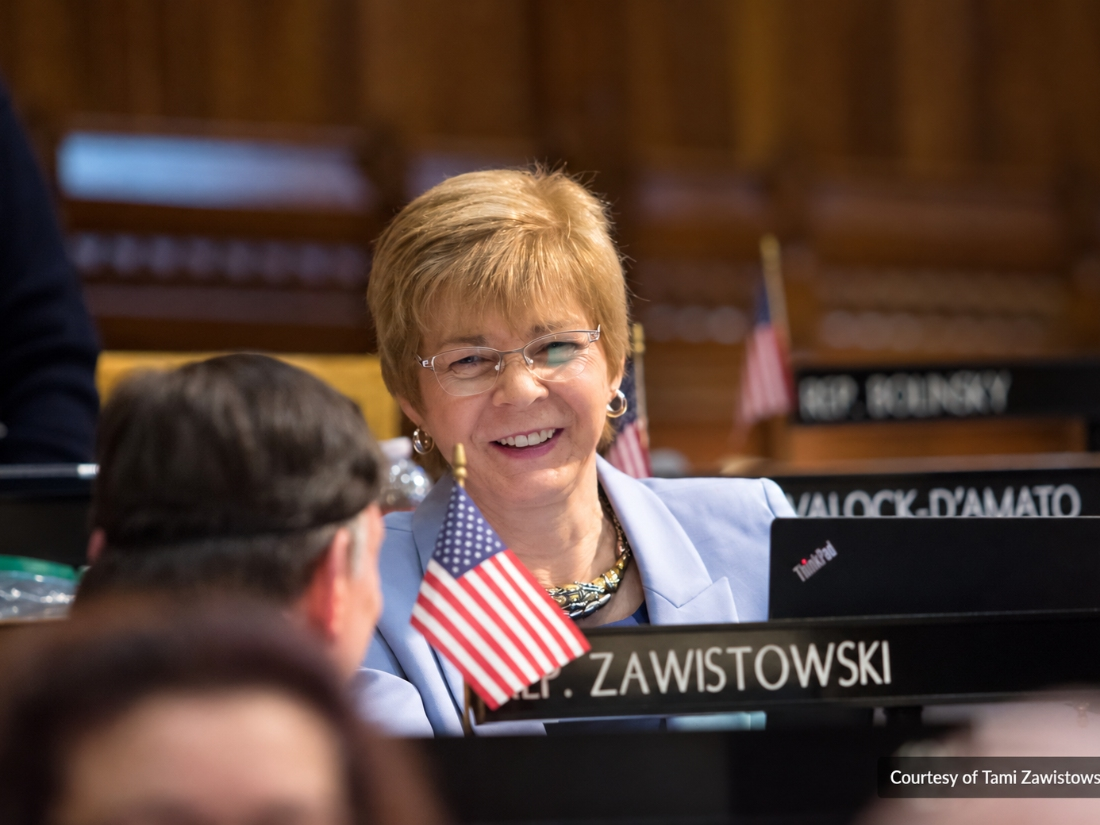
Mol, a Suffield Board of Education member and small business owner, is challenging Republican state Rep. Tami Zawistowski. The district serves Suffield, East Granby and Windsor Locks. Election Day is Nov. 3.
Here are the candidate’s responses to Patch’s questionnaire.
Find out what's happening in Windsor Locks-East Windsorfor free with the latest updates from Patch.
Candidate's Name:
James Mol
Find out what's happening in Windsor Locks-East Windsorfor free with the latest updates from Patch.
What office are you seeking?
State Representative for House District 61
Age:
54
District:
61
Party:
Democratic Party
Campaign website:
Occupation:
Small business owner - hospitality technology consulting
Family:
Married with 3 young children ages 12 to 14
Does anyone in your family work in government?
No
Previous public office:
Suffield Board of Education, Suffield ACCE, Suffield Charter Revision Commission
Why are you seeking this office?
For nearly six years on the Suffield Board of Education, I have seen how decisions made in Hartford land on our schools and our property tax bills. The state’s school funding formula still rests on a per-student amount set in 2013. Bradley Airport’s payment to the towns that host it has not changed in over a decade. Local taxpayers cover those gaps.
These are local problems, and they need someone in Hartford who knows the numbers and keeps pushing until our towns get their fair share. I am running as a Democrat, but I am running for everybody in Suffield, East Granby and Windsor Locks, because good schools, working farms, safer roads, a fair return from Bradley and affordable property taxes are not party issues.
What do you believe is the No. 1 issue facing Connecticut, and how do you plan to address it?
Affordability, and specifically how much of the state’s cost lands on local property taxpayers.
It costs between about $21,000 and $24,000 a year to educate a student in our three towns, and local taxpayers cover most of it. The special education grant the state created in 2025 was designed to send our towns about $998,000 a year. Funded at roughly 16 cents on the dollar, it sends about $157,000. And Connecticut’s electric rates are among the highest in the country.
What I will do:
- Seek a seat on the Education Committee and work to update the school funding formula’s 2013 per-student amount and index it to inflation.
- Push to fully fund the special education grant the state has already created.
- Index Bradley Airport’s payment to its host towns to inflation.
- Strengthen the Office of Consumer Counsel, the state’s advocate for ratepayers in utility rate cases.
Updating the school formula, fully funding special education and indexing the Bradley payment would bring our three towns about $7 million a year. Every state dollar we bring home is one less dollar on local tax bills.
Energy costs have been soaring in Connecticut. What are your plans to help address this issue?
A state representative doesn’t set electric rates; the Public Utilities Regulatory Authority does. But the legislature writes the rules that authority works under, and that is where I would focus. Rates came down in May, partly from lasting changes and partly from a temporary credit, but they remain among the highest in the country.
My plans:
- Strengthen and fully fund the Office of Consumer Counsel, so ratepayers have real expertise on their side when utilities ask for increases.
- Protect the laws that stop utilities from billing customers for lobbying, fines and executive perks.
- Expand community solar, so renters and homeowners who can’t put panels on their roof can still lower their bills.
- Spread large approved increases over longer periods, so households aren’t hit with sudden rate shocks.
- Bar legislators from holding paid positions with the utilities they oversee.
READ MORE:
- Two Students Return As Suffield Reports School Savings
- Two-Day Closure Will Reroute Traffic In Suffield
- Recent Death Notices From Suffield: Sept. 11–Oct. 7, 2026
Affordability has been a major topic across the country and here in Connecticut. How do you plan to address this issue?
As I wrote above, affordability in our towns mostly comes down to property taxes and how much of the state’s cost lands on them. Beyond school funding and the Bradley payment, I would work to:
- Fully fund the special education Excess Cost grant, which the state currently pays at only about 70 to 76 percent of what the formula promises.
- Pay towns what state law promises for state-owned property, including the correctional facilities in Suffield.
- Make it easier for towns and school districts to join the state’s health insurance pool, the Partnership Plan, if they and their employees decide it saves money.
- Oppose new mandates on towns that come without the money to pay for them.
What accomplishments in your past would you cite as evidence you can handle this job?
For nearly six years I have served on the Suffield Board of Education, through six budget cycles, on its Finance and Facilities and Policy subcommittees, and as chair of its Community Engagement and Public Relations subcommittee. I have also served on Suffield’s Charter Revision Commission and its Advisory Commission on Capital Expenditures. That work has taught me how state funding rules turn into local budgets and tax bills.
Professionally, I held director and senior manager roles at Infor Hospitality, a global software company, before starting my own consulting firm, where I help businesses use data to make better decisions.
And it took my family 14 years of working with the state’s farmland preservation program to permanently protect our West Suffield farm, completed in 2023. I know how to stay with a state process until it delivers.
Is there anything else you would like voters to know about yourself and your positions?
I didn’t enter this race for political reasons. I entered it out of frustration. Every year at the Board of Education budget table, we budget just to maintain what we have, and even that gets harder every year, largely because state funding hasn’t kept up. Rather than be frustrated about it every year, I decided to run so I could do something about it.
That starts with education, but farming, road safety, economic development and property taxes are just as personal to me. Being present locally matters, but the work that changes these things happens in Hartford, and I’m ready to get to work there.
For more Northern Connecticut news, follow Patch editor Jay Kenney.
Editor’s note: Connecticut Patch asked candidates to answer questions about their campaigns and the issues facing the state. The responses below were submitted by the candidate and reflect the candidate’s views.
Get more local news delivered straight to your inbox. Sign up for free Patch newsletters and alerts.