Weather
FL Plant First To Be Extinct Due To Climate Change, Sea Level Rise
Research released earlier this month indicates the species is the country's first local extinction caused by sea level rise.


FLORIDA — A tropical cactus native to the Florida Keys has become the first local extinction of a species caused by climate change and sea level rise, according to research released earlier this month.
While the Key Largo tree cactus still grows on a few islands in the Caribbean, in the United States, it only grew in the Florida Keys and was first discovered in John Pennekamp Coral Reef State Parkin 1992. Its population has been monitored intermittently since, according to the Florida Museum of Natural History.
While the species flourished over the years, a study conducted by the Journal of the Botanical Research Institute of Texas found the population started to decline in 2015 when researchers noted a 50 percent reduction from previous monitoring two years earlier.
Find out what's happening in Across Floridafor free with the latest updates from Patch.
The decline was caused mostly by an "alarming" herbivory event, meaning animals used the cacti as a water source, depleting stems of reserves that allow them to survive for long periods without rain.
“In 2011, we started seeing saltwater flooding from king tides in the area,” study co-author James Lange told the Florida Museum of Natural History, referring to particularly high ocean tides. “That limits the amount of freshwater available to small mammals and might be related to why the herbivores targeted this cactus, but we can’t say for sure."
Find out what's happening in Across Floridafor free with the latest updates from Patch.
By 2016, it was clear the Key Largo cacti population was in peril when researchers noted the population had again decreased by 50 percent, according to the study
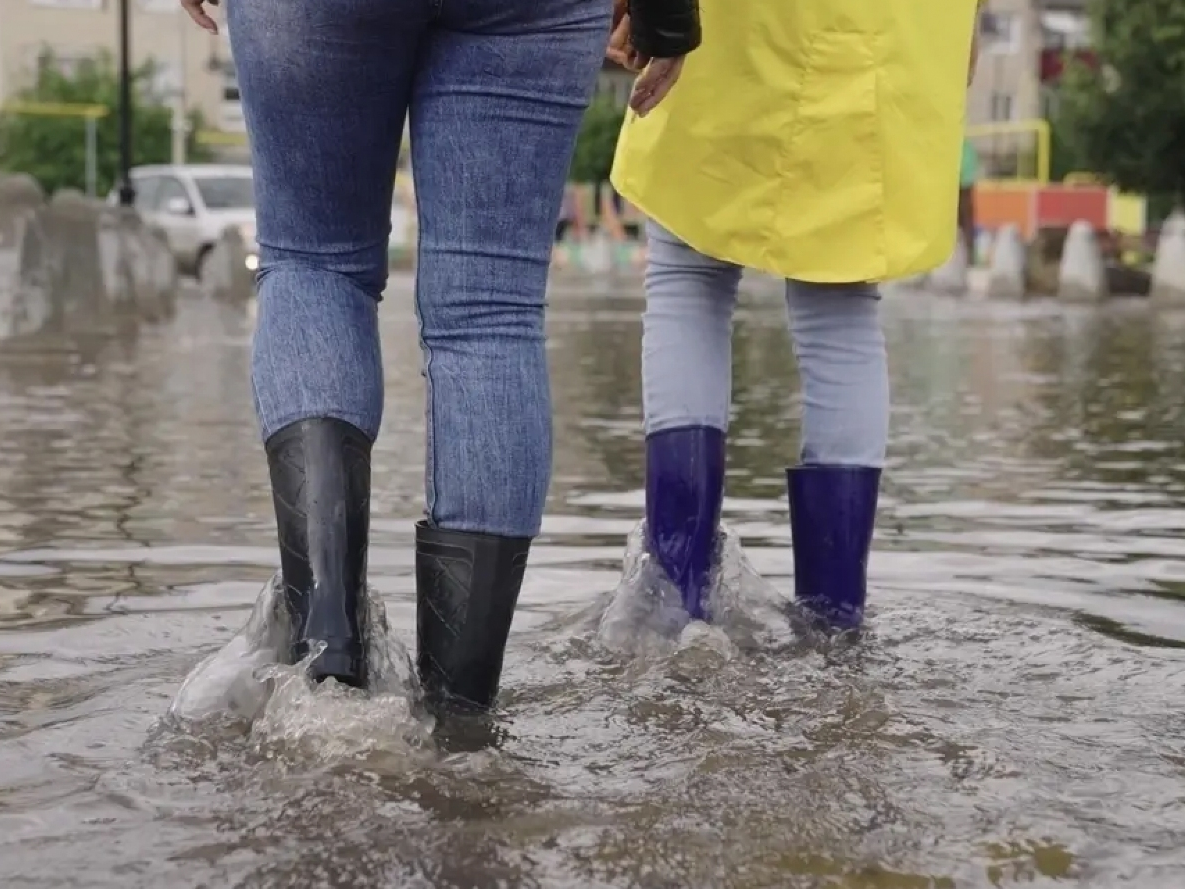
In 2017, category 5 Hurricane Irma swept across South Florida, creating a 5-foot storm surge and causing inland flooding for days. By 2019, king tides had left large portions of the island flooded for more than three months.
By 2019, the once-massive colony of Key Largo cacti had "completely collapsed," researchers said. In 2023, researchers rescued the last remaining stem left on Key Largo because "because it was clear that the area would only continue to succumb to sea level rise."
In the study, researchers point to storm surges, sea level rise and the 2015 herbivory event as factors in the demise of the Key Largo cactus. Future conservation plans include caring for the single rescued cactus in hopes of one day reintroducing it, researchers said.
The extinction of the Key Largo cactus is not a unique situation, researchers said.
"As a group, cacti are particularly imperiled by climate change," the study states. "Beyond cacti, much of the unique flora and fauna of the Florida Keys is imperiled from decades of impacts that include habitat destruction, poaching and climate change."
Read the full study online.
Get more local news delivered straight to your inbox. Sign up for free Patch newsletters and alerts.