Weather
Hurricane Isaias Makes Landfall Near Destin, FL As Category 2 Storm
Here's the latest as we follow Hurricane Isaias as it moves through the Gulf and into the mainland United States.


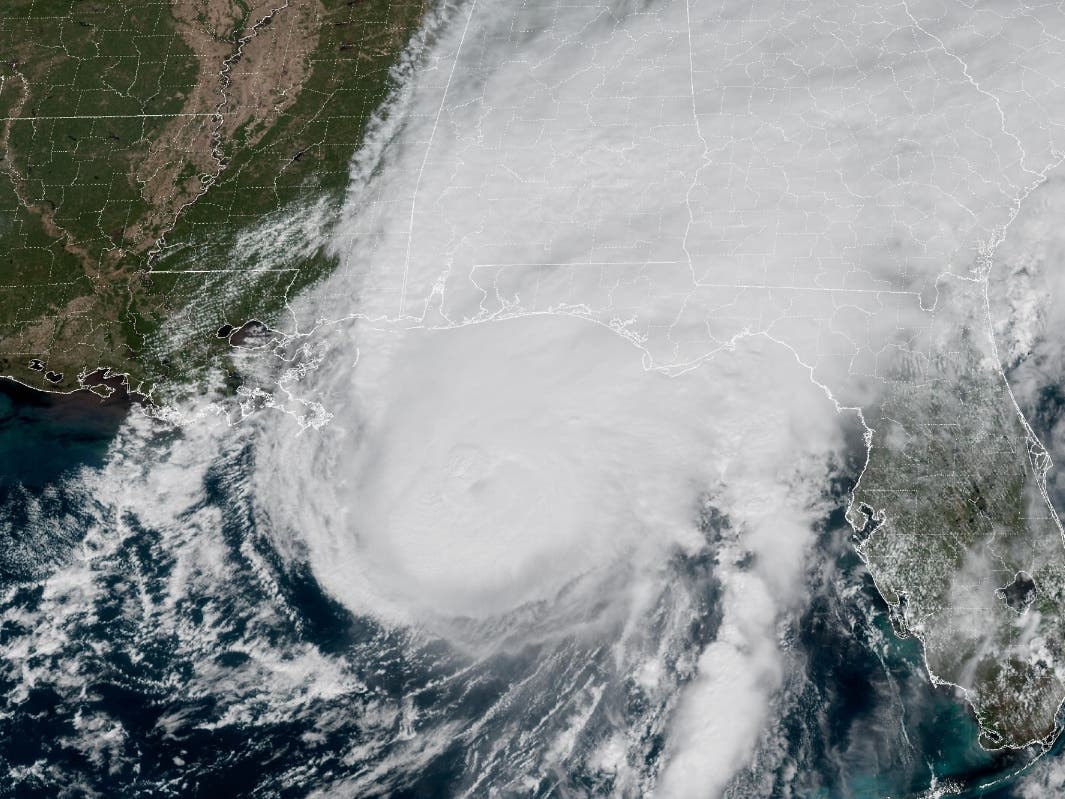
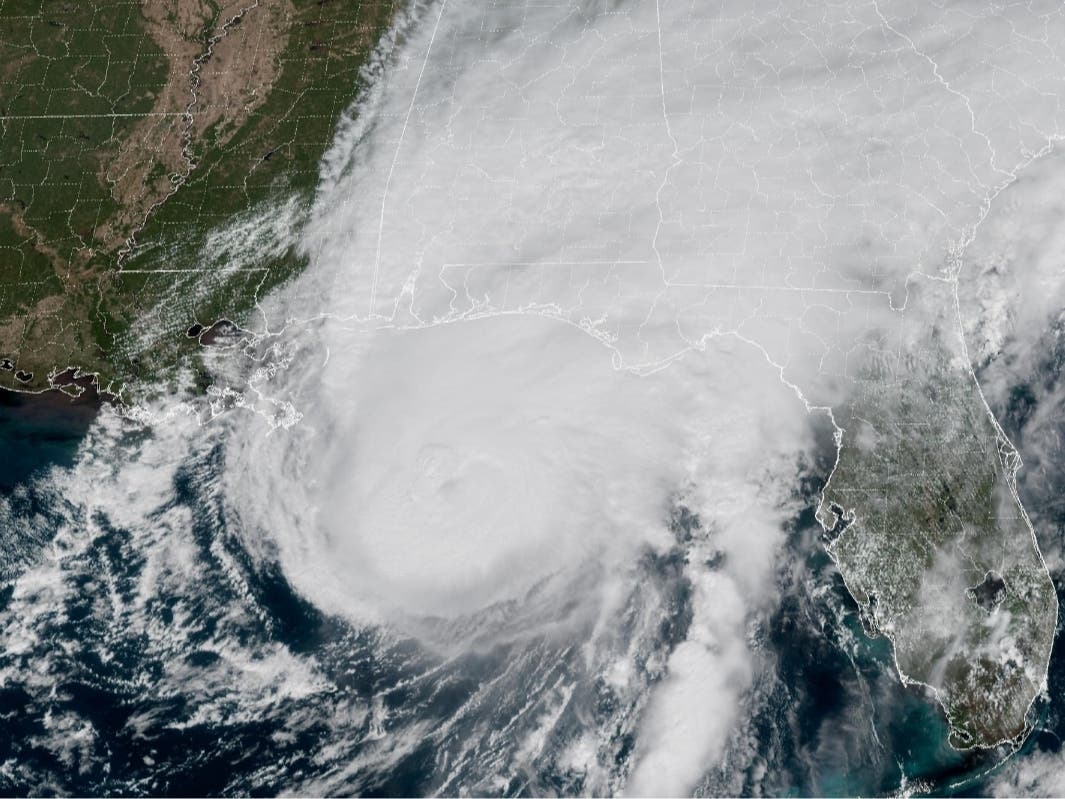
Hurricane Isaias slammed into Florida's Gulf Coast Friday evening as a powerful Category 2 storm, bringing destructive winds, life-threatening storm surge and torrential rainfall to the Panhandle as communities across the region faced potentially catastrophic damage.
The National Hurricane Center confirmed Isaias made landfall near Destin at approximately 9:30 p.m. ET, packing maximum sustained winds of 105 mph and a minimum central pressure of 971 millibars.
The storm came ashore after initially strengthening into a major Category 3 hurricane earlier Friday, prompting widespread evacuations, emergency declarations and preparations across Florida's Gulf Coast.
Find out what's happening in Across Floridafor free with the latest updates from Patch.
Isaias became the first hurricane of the 2026 Atlantic hurricane season, intensifying rapidly over the Gulf of Mexico before taking aim at the western Florida Panhandle.
Storm Surge, Damaging Winds Batter Panhandle
Find out what's happening in Across Floridafor free with the latest updates from Patch.
The hurricane's arrival brought dangerous conditions to coastal communities stretching from Pensacola and Gulf Breeze eastward toward Navarre, Fort Walton Beach and Destin.
Ahead of landfall, the National Hurricane Center warned that storm surge could reach 6 to 9 feet above normally dry ground along portions of the western Florida Panhandle, with 4 to 7 feet possible farther east toward Indian Pass.
The combination of rising coastal waters, large waves and hurricane-force winds threatened homes, businesses, roads and other infrastructure throughout the region.
The hurricane also brought the threat of tornadoes as its outer rainbands moved across the Panhandle and into Florida's Big Bend region.
Forecasters warned that widespread rainfall totals of 4 to 8 inches were possible across the Panhandle and Big Bend, with isolated totals reaching 15 inches in some areas.
DeSantis Mobilizes State Emergency Response
As Patch previously reported, Florida Gov. Ron DeSantis previously declared a state of emergency for 25 counties as Isaias approached, allowing state agencies to mobilize personnel, equipment and emergency resources.
The governor and state emergency management officials spent Friday coordinating preparations and response efforts as conditions deteriorated along the coast.
Emergency officials urged residents to remain sheltered as the hurricane moved inland, warning that falling trees, downed power lines and flooded roadways could create dangerous conditions even after the strongest winds subsided.
Power Outages, Closures And Damage
As of the publication of this story Friday, approximately 217,000 Florida homes and businesses were without electricity.
The hardest-hit areas included Escambia County, where an estimated 82,000 customers are in the dark, according to the latest totals.
What Comes Next For Florida?
Although Isaias was expected to weaken after moving inland, the National Hurricane Center warned that dangerous conditions could persist across parts of Florida through Friday night and Saturday.
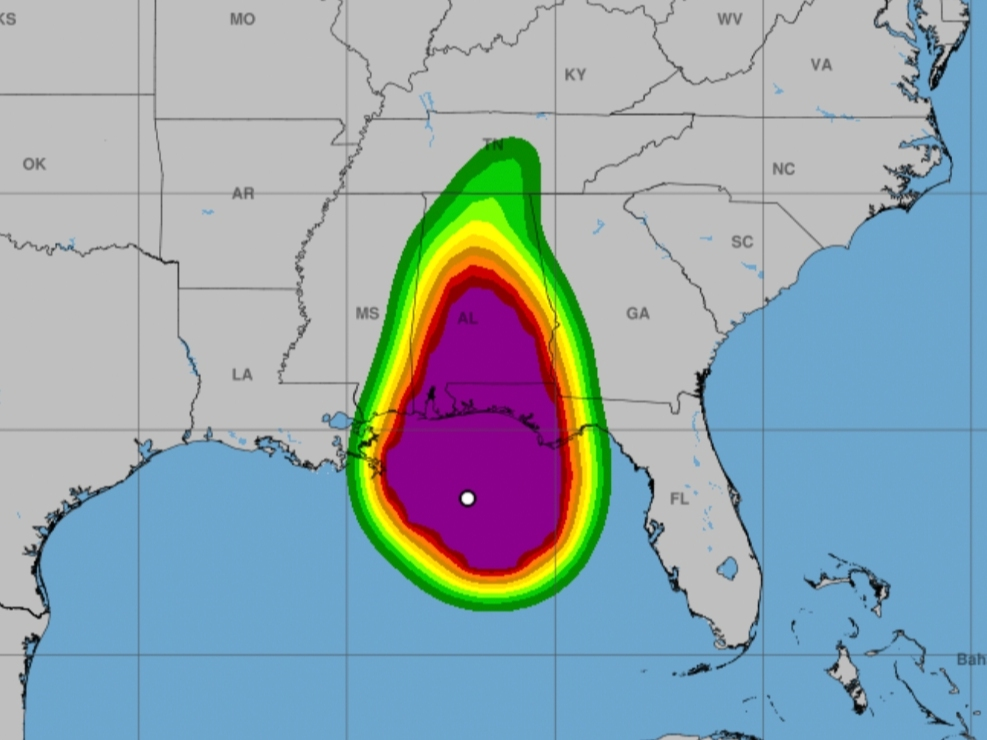
The storm's center was forecast to move northward across Alabama before eventually turning northeast toward the Tennessee Valley.
For Florida, the National Hurricane Center says the most immediate concerns remained coastal flooding, lingering heavy rainfall, power outages and damage left behind by hurricane-force winds.
State and local officials urged residents to avoid unnecessary travel, stay away from downed power lines and follow instructions from emergency management agencies as crews began assessing the damage.
This is a developing story and will be updated as more information becomes available.
Get more local news delivered straight to your inbox. Sign up for free Patch newsletters and alerts.