Community Corner
2 Endangered African Penguin Chicks Welcomed At ZooTampa
The new arrivals hatched in August and September and are expected to join the zoo's Penguin Beach colony in the coming weeks.


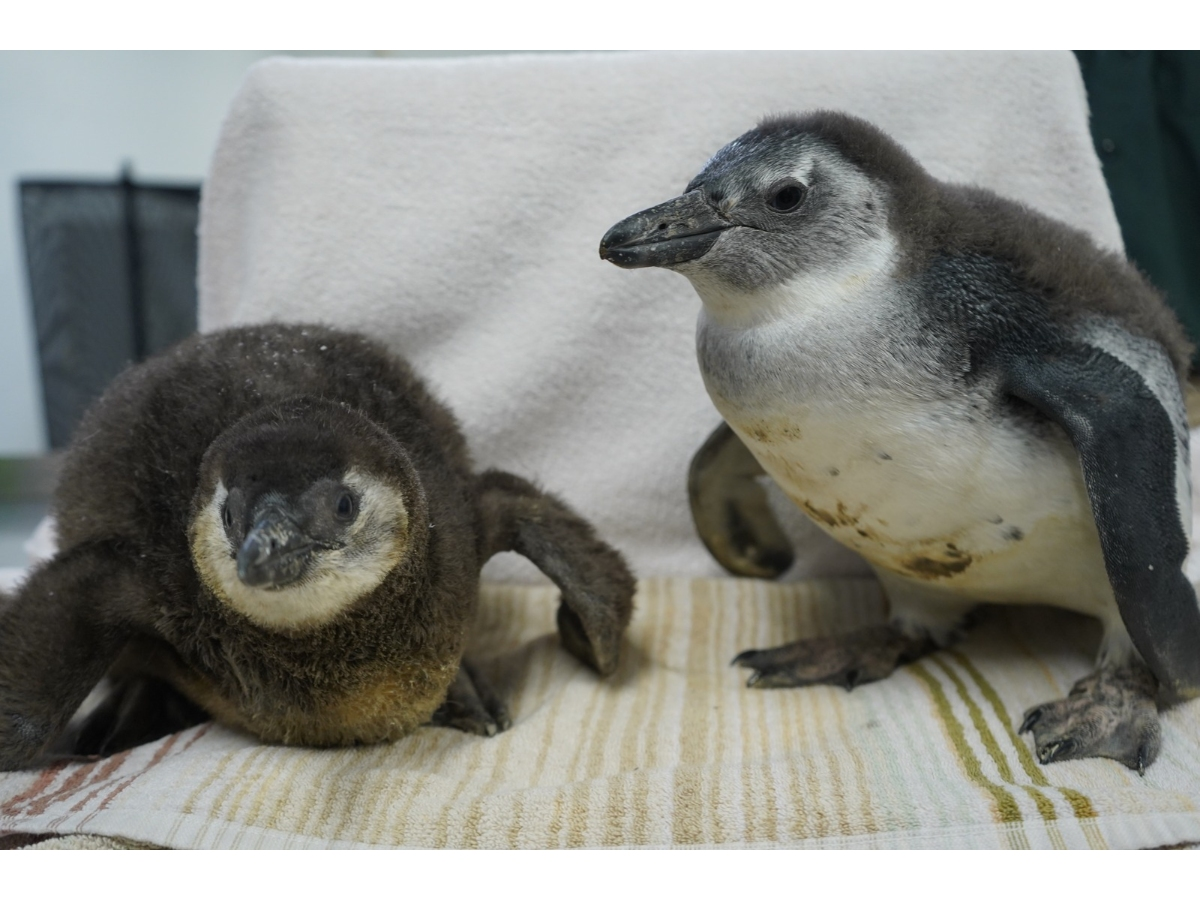
TAMPA, FL — ZooTampa at Lowry Park is celebrating the arrival of two African penguin chicks, which offers a boost to conservation efforts for a species considered critically endangered.
The chicks hatched Aug. 29 and Sept. 27, respectively, after about 38 days of incubation, a news release from the zoo said. Both are healthy and currently receiving care from their parents and the zoo's animal care and veterinary teams.
The first chick's parents, Kai and Tuxie, are first-time parents paired through the African Penguin Species Survival Plan, a collaborative conservation program involving accredited zoos and aquariums. The second chick's parents, Rocky and Thumbelina, have successfully raised several chicks through the program.
Find out what's happening in Tampafor free with the latest updates from Patch.
The chicks' sexes haven’t yet been determined, the zoo said. They’re being cared for behind the scenes and are expected to join the zoo's African penguin colony at Penguin Beach in the coming weeks, once they have fledged and begun swimming.
Native to South Africa and Namibia, African penguins are among the world's smallest penguin species. Their wild populations have declined by 75 percent over the past two decades due to human disturbance, habitat loss and a scarcity of prey fish, according to the zoo.
Find out what's happening in Tampafor free with the latest updates from Patch.
ZooTampa also recently welcomed a black-naped fruit dove chick, which hatched Oct. 28. It marks the second time the species has hatched at the zoo.
The bird team successfully hand-raised the pair's first chick, marking only the second documented successful effort of its kind in Association of Zoos and Aquariums history. The newest chick is growing quickly and can be seen with its parents in the zoo's Australasia Aviary.