Weather
When To See Rare Blue Moon In IL; It's Also A Micromoon
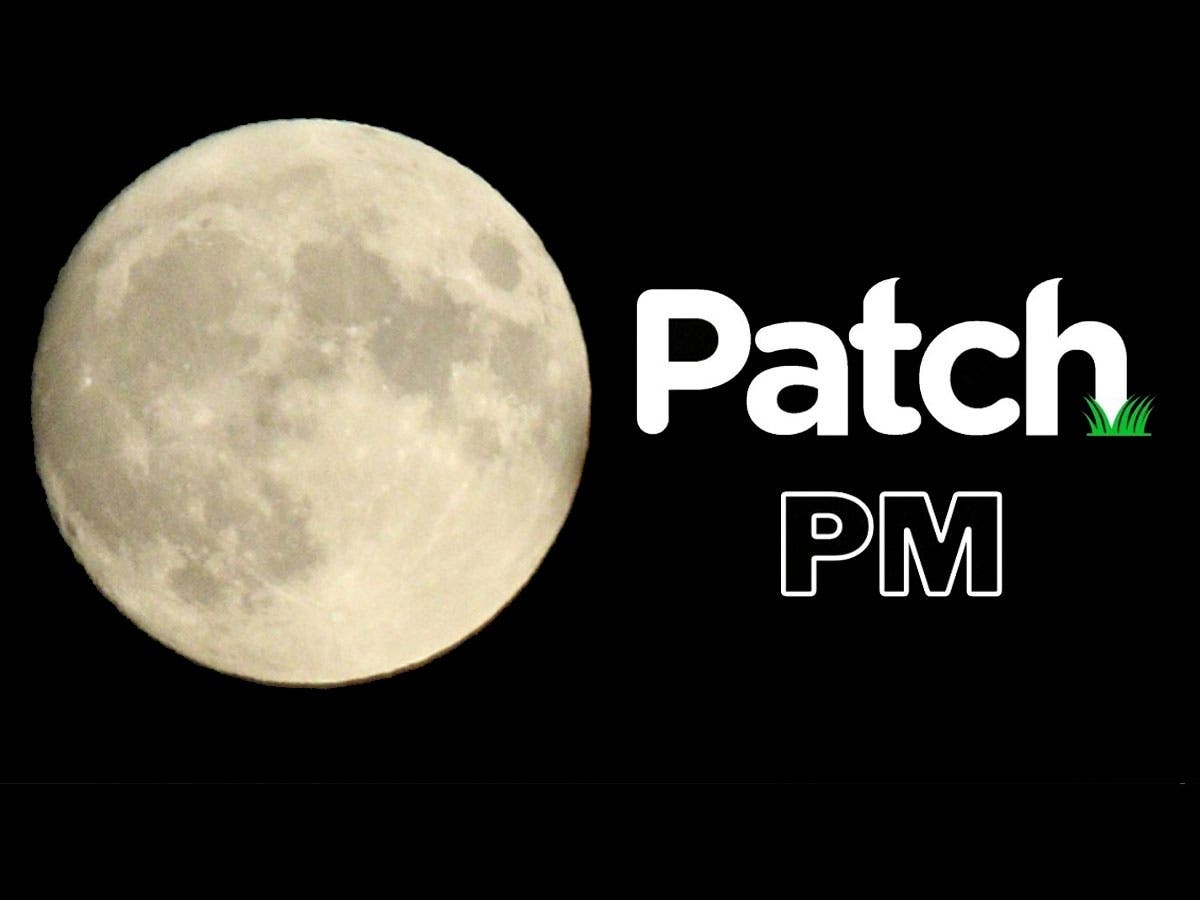
The full moon will be bright enough to see with the naked eye if skies are clear.


If the weather cooperates, Illinois skywatchers will get a rare look at a blue moon this weekend, though its name is more about the calendar than its color.
The full moon peaks at 3:45 a.m. CMT Sunday, May 31, making it the second full moon of May. That is the most common modern definition of a blue moon: the second full moon in a single calendar month. May’s first full moon occurred on May 1.
According to the National Weather Service, here's a look at the weekend weather forecast for the Chicago area:
Find out what's happening in Across Illinoisfor free with the latest updates from Patch.
FRIDAY NIGHT: Partly cloudy, with a low around 56. East northeast wind around 5 mph, with gusts as high as 10 mph.
SATURDAY: Partly sunny, with a high near 75. East northeast wind 10 to 15 mph, with gusts as high as 20 mph.
Find out what's happening in Across Illinoisfor free with the latest updates from Patch.
SATURDAY NIGHT: Mostly cloudy, with a low around 54. East southeast wind 10 to 15 mph, with gusts as high as 20 mph.
SUNDAY: Partly sunny, with a high near 78. East southeast wind around 5 mph, with gusts as high as 15 mph.
SUNDAY NIGHT: Mostly cloudy, with a low around 57.
RELATED: Dangerous Swimming Conditions Saturday, Warm And Dry Pattern Settles In For Chicago Area
Despite the name, the moon won’t actually appear blue, according to NASA. It may look golden, orange or reddish when it is low on the horizon, the same effect that can make sunrises and sunsets appear warm-colored.
A truly blue-looking moon isn’t unheard of, and is usually caused by particles in the atmosphere, such as smoke or volcanic ash
Here’s another caveat: Far-northern skywatchers may also be entering the noctilucent cloud season. The high-altitude clouds can glow silver or electric blue after sunset or before sunrise, especially near the summer solstice, but they are unrelated to the blue moon and won’t make the moon itself appear blue.
The best time to see the moon will likely be around moonrise Saturday evening, May 30, when it climbs above the eastern horizon shortly after sunset. The moon will appear full to most casual observers from Saturday night into Monday.
This month’s blue moon is also a micromoon, which is the opposite of a supermoon. A micromoon occurs when the moon is near apogee, its farthest point from Earth in its orbit. A supermoon occurs when it is at perigee and makes its closest approach to Earth in its elliptical orbit pattern.
As a micromoon, this full moon will appear slightly smaller and less luminous than usual, though the variation may be subtle enough that casual observers would need a side-by-side comparison to notice the distinction.
The blue moon can be seen without a telescope. Binoculars can help bring out surface details, but the full moon is bright enough to see with the naked eye if skies are clear. Pick a site with an open view of the eastern horizon and check local moonrise times.
Blue moons are uncommon but not extraordinary. They happen because the lunar cycle is about 29.5 days, while most calendar months are 30 or 31 days long. That mismatch occasionally gives a month two full moons.
A less common definition calls the third full moon in a season with four full moons a blue moon. By that measure, the next blue moon will occur May 20, 2027.
Get more local news delivered straight to your inbox. Sign up for free Patch newsletters and alerts.