Weather
Wildfire Smoke May Reach Illinois Thursday, Poor Air Quality Continues
Here's when the skies could clear after a potentially hazy day.


An air quality alert is in effect again for the Chicago area through Wednesday night, and could be extended into Thursday depending on smoke from Canadian wildfires, the National Weather Service said.
The weather service advised limiting prolonged outdoor activity, and sensitive groups should watch for symptoms of coughing or shortness of breath.
According to AirNow.gov, Joliet will have an "orange" level or "unhealthy for sensitive groups" air quality index through Friday.
Find out what's happening in Across Illinoisfor free with the latest updates from Patch.
According to the IEPA, model guidance is showing the potential for wildfire smoke reaching parts of northern Illinois by Thursday.
The weather service said its models have the "smoke stalling near the I-90 or I-88 corridors by daybreak Thursday."
Find out what's happening in Across Illinoisfor free with the latest updates from Patch.
"Surface smoke may reach northeastern Illinois by early Thursday and gradually expand from the Chicago region toward Rockford and surrounding area throughout the day," the IEPA said.
The forecast is for an air quality index of "orange" or "unhealthy for sensitive groups" on Thursday, but may need to be adjusted depending on levels of smoke.
“We recommend residents get into the habit of checking the daily Air Quality Index at the same time you check the weather each morning, especially if you are part of a sensitive group such as having asthma or another lung disease” said Illinois EPA Director James M. Jennings. “You have information available at your fingertips via AirNow.gov and the AIRNow app that can help you plan your daily activities.”
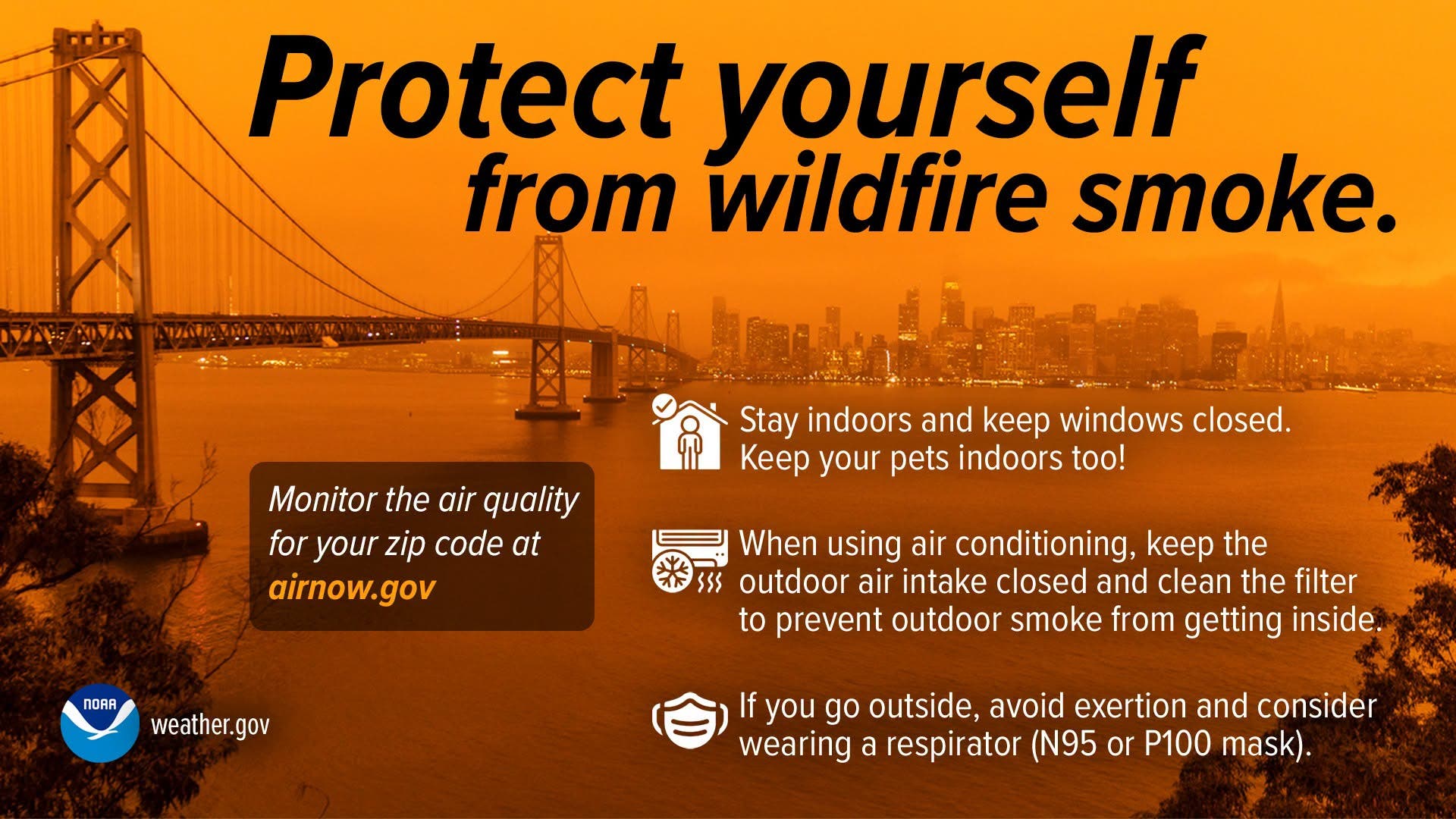
If air quality index levels move to "red," or "unhealthy," then all Illinois residents are encouraged to keep cool and limit physical activity outdoors. The IEPA gave the following tips:
• Stay indoors and monitor your breathing, especially if you have heart or lung disease, and keep windows and doors closed.
• If your air conditioner has a fresh air intake, set your system to recirculate or close the intake.
• Use high efficiency filters in air conditioning systems and portable air cleaners.
• Avoid activities that create more particulate matter indoors, like smoking or burning candles.
• If you cannot avoid working or other outdoor activities, then choose shorter or less intense activities, consider rescheduling if possible, and take more frequent breaks.
• Consider wearing a high-quality N-95 or N-100 mask to filter damaging particles while outdoors.
Get more local news delivered straight to your inbox. Sign up for free Patch newsletters and alerts.