Politics & Government
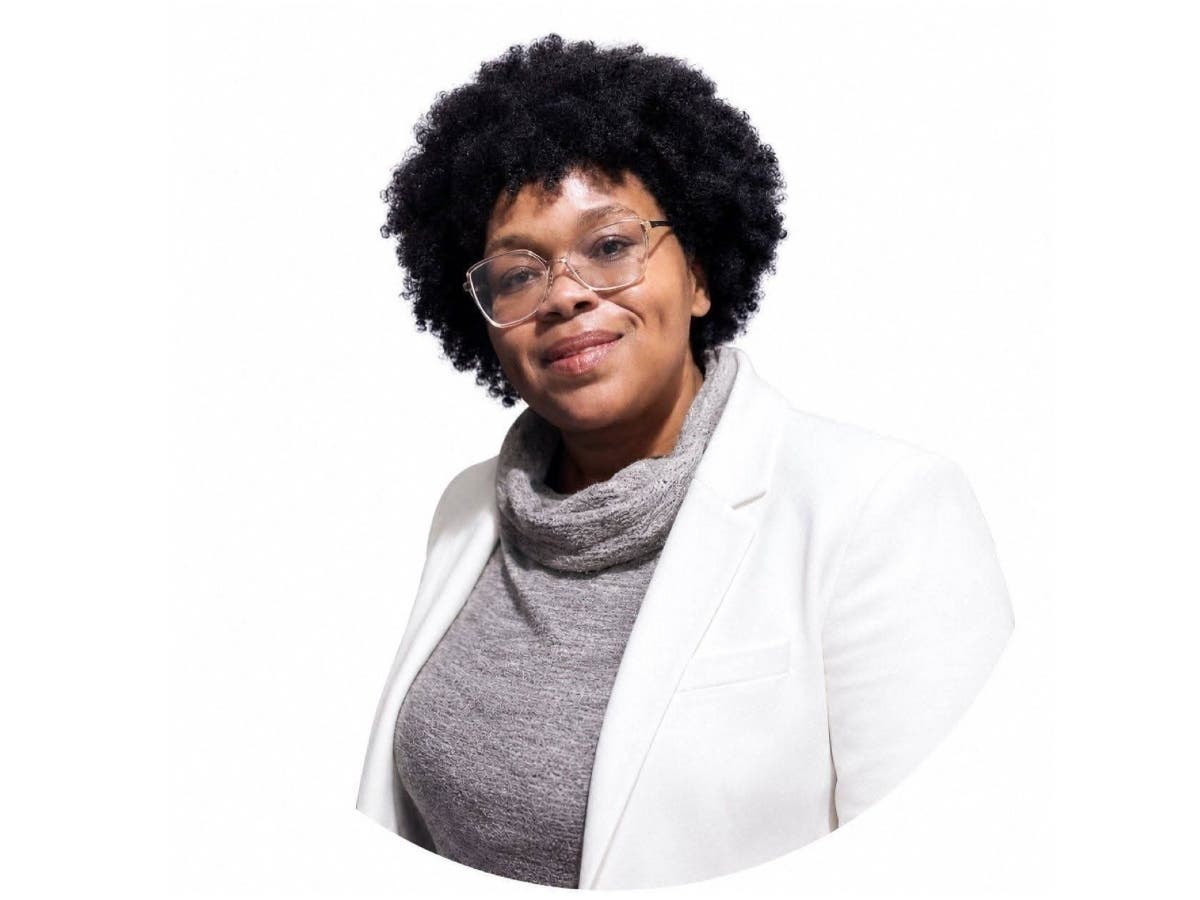
Election 2026: U.S. Representative 2nd Congressional District Candidate Donna Miller
Patch profile for U.S. Representative 2nd Congressional District Democrat Candidate Donna Miller.


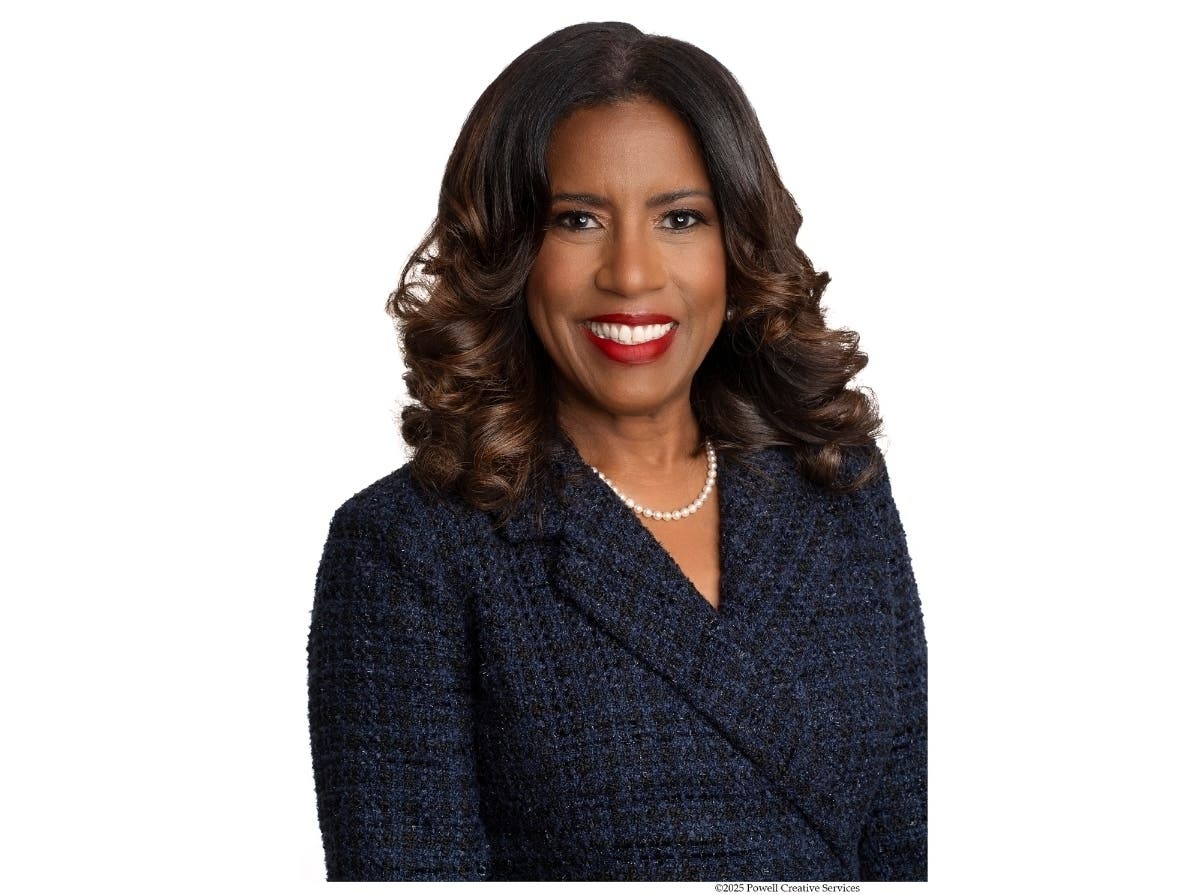
Three will contend for the U.S. Representatives 2nd Congressional District in the Nov. 3 General Election. The seat was vacated by Robin Kelly, who held it since 2013. Kelly leaves it in her bid to replace outgoing Sen. Dick Durbin.
Democrat and Cook County Commissioner Donna Miller beat out 9 other candidates in a March 2026 Democratic primary, to now face Republican Mike Noack Nov. 3. Noack was unopposed in the Republican primary. Write-in candidate Independent Ashley Banks also contends for the spot.
The 2nd Congressional District includes the far southeast side of Chicago (including Hyde Park); Cook County suburbs of Blue Island, Calumet City, Chicago Heights, Country Club Hills, Dolton, Flossmoor, Glenwood, Harvey, Hazel Crest, Homewood, Lansing, Matteson, Olympia Fields, Park Forest, Richton Park, Sauk Village, South Holland, and Steger; Crete, Monee, Peotone, and University Park in Will County; Aroma Park, Bourbonnais, Bradley, Kankakee, Manteno, and Momence in Kankakee County; portions of southern Will and Kankakee counties, including Pembroke Township.
Find out what's happening in Homewood-Flossmoorfor free with the latest updates from Patch.
Patch provided questionnaires to candidates. Miller's responses are as follows:
Your Name:
Find out what's happening in Homewood-Flossmoorfor free with the latest updates from Patch.
Donna Miller
Town of Residence:
Lynwood
Position Sought:
2nd Congressional District
Party Affiliation:
Democrat
Family:
Husband Dr. David E. Miller, former Illinois State Representative; two young adult sons, Daniel and Donovan.
Education:
Pepperdine University, graduate business courses; Howard University, BA in Business Administration; Lane Technical High School, diploma.
Previous or current elected or appointed office:
Elected 6th District Cook County Commissioner in 2018, re-elected in 2022 and currently serving.
Campaign website:
The single most pressing issue facing our district or state is ___________, and this is what I intend to do about it.
Illinois families have been paying the second-highest property tax rates in the nation – a significant factor in addressing my personal focus on healthcare and the district’s universal concerns over affordability in general. Reports indicate our average households in 2025 spent $5,285 to stay in the same home, while those in other states spent $2,969. Community leaders in my and other heavily African American South and West Side areas have protested increases in the double and even triple digits -- up to 133% -- while properties like Chicago’s Trump Tower saw nearly 40% reductions.
Taxation inequities have had a devastating impact on both low-moderate income individuals and municipalities in access to quality healthcare, education, housing, business development and living-wage employment. Currently planned or executed extensive federals cuts to funding supportive of these resources are expressly designed to shift even more of the burden to local entities with the least capacity to meet or improve upon decent living standards.
The most obvious, long-standing remediation is my district’s South Suburban Airport, a major component in the state’s position as the nation’s transportation hub and 90% ready for takeoff. A 1/13/26 Aviation Week report referred to SSA as “transformational” in potential to “generate tens of thousands of new jobs, anchor new aerospace and logistics clusters, and strengthen U.S. supply chain resilience.” In terms of potential tax relief, a good comparison is Forth Worth Alliance Airport, which officially opened in 1989 and in 2024 alone produced $4.2 billion in property taxes paid to local entities.
I will continue to work with my district advocates, like South Suburban Action Coalition, South Suburban Mayors and Managers Association, Chicago Southland Economic Development Corporation, Chicago Southland Chamber of Commerce, the Far South Suburban NAACP, Rev. James Hunt and others, who believe “Property tax reform is the biggest problem and SSA the best solution.” I will also seek tax relief for constituents in more specific ways detailed in another question below.
What are the critical differences between you and the other candidates seeking this post?
Based on their platforms, my Republican and Independent (write-in) opponents share many of my concerns, particularly about affordability in all sectors. Neither has a passion for or experience in public service. To me, government should use taxes to further the nation’s well-being, to assist diverse populations contribute to that end. Its fundamental role transcends political views or interests of a particular demographic segment or crisis. I view it as our most powerful mechanism for aligning what we say our democracy stands for and what it does.
As Cook County commissioner, I have demonstrated my long-term commitment to combining advocacy with sponsoring policy/legislation, to producing results with an understanding of balancing costs with benefits. I have the experience and competencies to navigate and negotiate our governmental systems to represent the interests of diverse constituents I have represented since 2018.
If you support tax cuts in Illinois, what spending should be eliminated to offset those cuts? Please be specific.
At this juncture, spending is much less an issue to me than how we get funds and what we do with them. Most constituents in my congressional district support beneficial health-related, education and infrastructure programs that are already underfunded. They are angered because the money could be there, if not misdirected where unneeded.
As mentioned previously, inequitable tax policies in Illinois place a huge burden on low-moderate income communities, while allowing corporations to contribute far less of their designated or fair share. Federal lawmakers have compounded this situation with cuts that further reduce monies for local governments and put more in the pockets of wealthy entities and individuals.
In Congress, I will work for better alternatives to those approaches. I will support the bipartisan efforts to prevent double taxation on state and local taxes, as well as bring relief to individual families. Among other ways I envision seeking tax relief for my constituents in Congress:
● Working Families: Legislation that strengthens the Earned Income Tax Credit (EITC) to ensure it continues to reward work, reduce poverty and boost take-home pay for low- and moderate-income workers; that simplifies and expands access to work-related tax benefits, including commuting and caregiving expenses, to reflect the modern workforce and support labor force participation.
● Small Businesses: Legislation that modernizes and simplifies small business tax provisions to reduce compliance burdens and help startups and small businesses scale and compete; that increases access to capital by expanding targeted tax incentives for investment in small businesses, particularly those focused on underserved or long-neglected communities and emerging industries.
● Workforce: Legislation that reforms higher education tax incentives to better support students pursuing both traditional degrees and non-degree credentials.
What can be done to alleviate concerns about the demand for electricity, water use and rising electricity costs as more and more data centers are built across Illinois? Do you support restrictions or a moratorium on new data centers?
Our natural resources and energy needs are particularly vulnerable to the current “wild, wild West” federal approach, which disdains research and informed strategies. I join a majority of the general public in wanting restrictions or moratoriums as we assess the actual and potential negative consequences. However, we must first rebuild trust in agencies gutted of the expertise and public servants to provide honest guidance, transparent oversight and effectively implemented guardrails. My initial efforts in Congress will include funding and rebuilding relevant resources needed to balance support for private investment in innovation, with the long-term benefits to the country and its diverse populations.
Do you support regulations on AI?
I agree with an expert observer’s statement, “Information technology has always been a double-edged sword,” which has made possible both the rise of modern society and of centralized authoritarianism and totalitarianism. Along with its benefits and environmental concerns, AI is a powerful tool in the hands of those unconcerned about democracy.
The federal government needs to step up and establish guardrails for AI technology. We need to work with competing countries in the same way we address the use of nuclear weapons. The warning of human annihilation by AI experts isn't just a warning to the United States, but the entire human race.
Additionally, studies substantiate the correlation between AI and “intellectual laziness,” loss of human decision-making, discerning truth from lies or information from propaganda. Most troubling to me is how AI can incorporate and contribute to historic social ills, particularly in disproportionate bias and use against people of color.
The Trump administration has already shown a fondness for attacking balanced media, accurate reporting, fact-based research, independent education and “professionalism,” for favoring ways to profile, surveille and punish immigrants and even citizens who exercise free speech. I would definitely argue the need to regulate AI use in the public sector, if we are to maintain any trust in, efficacy and/or fair application of governmental resources.
Experts in this area see it as more than a matter of jurisdiction, but a balancing of innovation, economic stability and fundamental citizen rights. I lean towards the hybrid approach of “cooperative federalism”: establishing a strong federal floor of essential safety, privacy, and fairness standards, to create a predictable baseline for all; preserving the right of states to legislate further, allowing them to address unique local concerns and serve as laboratories for more ambitious regulatory ideas; ideally leveraging the strengths of both systems, creating a cohesive national strategy that honors the traditional and vital role of states in protecting their residents.
The use of automated license plate reader systems like Flock cameras is increasing at police departments across Illinois, creating concerns about privacy, government surveillance and how that data is used or shared. What role, if any, should the government play in regulating the use of license plate readers, and what steps should be taken to protect Illinois residents' privacy and civil liberties?
Like many technological “improvements,” ALPR was embraced much too quickly, without appropriate research into claims about cost reductions, intended effectiveness or potential misuse. Once installed, there is way too little motivation – or control – regarding ROI assessment, modifications or discontinuation. These ubiquitous cameras in practice have contributed about 10% to expectations of crime prevention and deterrence. In cities like Chicago, they have instead become instruments for generating revenue from minor traffic violations, particularly in communities heavily populated or traversed by people of color.
ALPR captures data for vehicles not connected to crime. They can result in detailed records to target individuals visiting certain health centers, places of worship, protests. Enforcement officers have used them for personal investigations or to override the rights of immigrants. I support granting local governing bodies the authority to determine standards for using, storing, sharing and verifying the accuracy of data collected.
Do you support the current administration’s immigration enforcement in the Chicago area and beyond? Why or why not? If not, what changes do you think should be made?
No. “Enforcement” is a shameful use of dictatorial thuggery to punish Trump opponents. Even worse, it is an acknowledged mechanism for changing racial/ethnic numbers, unabashedly targeting peoples of color for exclusion.
I support a swift and humane path to citizenship for migrants, due process for all and accountability for agencies that violate civil rights. We must end racial profiling and ensure immigration enforcement upholds our Constitution and our values. The current administration and federal agents in ICE and Border Protection act with blatant disregard for due process and constitutional rights. In Congress, I will demand independent oversight, transparency and accountability to or by local taxpayers.
U.S. immigration laws are carried out by several executive branch departments and agencies that have authority for immigration enforcement via the INA, including “restricting entry to and removing persons from the United States who lack authorization to be in the country or who have such authorization but have committed acts that make them subject to removal,” according to Congress. Several abuses are the result of ICE having impunity to do whatever it wants. At the very least, I would fight for evidence indicating each individual detained lacked authorization or what acts made them subject to removal, as well as documentation about their and their family’s detention and treatment, plus independent access to verify this information.
Do you support President Donald Trump's attempts to impose tariffs on U.S. trade partners? What should be done to offset rising costs for Illinois businesses and consumers?
No. Many reports indicate his tariffs have proven more harmful to Americans, with increased prices hitting consumer pocketbooks, small businesses and family farms in particular. In 2025, U.S. tariffs reached 145% on some Chinese goods, while China responded with tariffs of up to 125% on U.S. products, resulting in a drop of 44.2% in bilateral trade. China not only absorbed this decline but saw imports fall 0.6% and its overall trade surplus grow to a record $1.08 trillion.
Even approaches like NAFTA tend to favor corporate interests over workers, contributing to stagnant wages, manufacturing decline and trade deficits. I would support a more progressive approach that recognizes and incentivizes foreign partners to uphold strong global labor and wage standards, supports mutual national benefits, ensures multinational companies pay their fair share of taxes, and uses tariffs/subsidies judiciously to protect our vulnerable sectors. Many of these principles seem advanced by Reciprocal Trade Agreements.*
What limits, if any, should Congress place on U.S. military action in Iran? Do you believe the president should be required to obtain congressional authorization for military operations against Iran?
No president should be allowed to unilaterally initiate military operations at will, on a whim, with virtually no expert analyses, planning or review. Congress has failed to utilize authority and mechanisms already in place to counter most of the dictatorial actions the Founding Fathers sought to prevent. I refuse to accept that we start from scratch, run around looking for new ways to reinvent bilateral policies that have worked well for decades. I will fight to restore previous legislation, funding, staffing and oversight the administration has so recklessly sought to dismantle.
Trump rejected the Joint Comprehensive Plan of Action (JCPOA) implemented in 2016 to constrain Iran’s nuclear capabilities in exchange for sanctions relief. From all accounts and monitoring, this approach was making mutually acceptable progress towards objectives Trump’s war curtailed or destroyed. Again, revisiting JCPOA principles will require lawmakers to do their job of putting the country’s interests over those of wealthy contributors.
What are your ideas for making housing, food, gas and utilities more affordable for your constituents and all Americans?
At the macro level, counteracting authoritarian power to rob people-centered funds in order to redirect more money to questionable military-type actions profitable for a few private entities and individuals, effectively increasing the burden on the vast majority. At the Illinois/ 2nd Congressional District level, addressing taxing issues as outlined above.
What else would you like voters to know about yourself and your positions?
I have lived for over 30 years and raised a family in the district I have represented for nearly eight years as a Cook County commissioner. I became the Democratic nominee for Congress in the 2nd District of Illinois by winning the March 17 primary election with 40% of the vote, beating out nine other candidates.
Since announcing my candidacy, I have received endorsements from AFL-CIO; American Credit Union; American Dental Association; Associated Fire Fighters of Illinois; Association of Flight Attendants-CWA; Chicago Tribune; Coalition of Haitian American Organizations in the Chicagoland Area; Committee to Protect Health Care; Cook County Teachers Union Local 1600; Defend the Vote; Delta 4 Women in Action; DMFI PAC; Elect Democratic Women; Emily’s List; Giffords PAC; Human Rights Coalition; Illinois Federation of Teachers; International Association of Machinists and Aerospace Workers; Jewish Democratic Council of America; Joint Action Committee for Political Affairs; Krimson PAC; League of Conservation Voters Action Fund; National Association of Social Workers; National Nurses United; New Democratic Coalition Action Fund; Optometric Association PAC; Planned Parenthood Action Fund; Sheet Metal, Air, Rail, Transportation Union; Sierra Club; Technology & Manufacturing Association; Unity 9 PAC; Dem. Minority Speaker Hakeem Jefferies (8th Dist.-NY); Dem. Whip Katherine Clark (5th Dist.-MA); Chair of the House Dem. Caucus Pete Aguilar (33rd Dist.-CA); Vice Chair of the House Dem. Caucus Ted Lieu (36th Dist.-CA); Brad Schneider (10th Dist.-IL); Terri Sewell (7th Dist.-AL); and Sara Jacobs (51st Dist.-CA).
I have an extensive background as a health care consultant and have been a vocal advocate for reproductive justice, particularly regarding maternal morbidity among women of color. I have been active in hosting community blood drives throughout the state to bring more awareness to Sickle Cell Anemia and successfully lobbied for Cystic Fibrosis screening in newborns. My civic and political memberships have included the League of Women Voters, serving as Board Chair for Planned Parenthood of Illinois, Board Chair of Planned Parenthood of Illinois Action Committee, Vice-President of Illinois Democratic Women and former President of Democratic Women of the South Suburbs.
I proudly claim an extensive track record for using my positions to improve the overall well-being of diverse constituents. Since my election in 2018 to public office, I have delivered medical debt relief to hundreds of thousands of Cook County residents, sponsored over $100 million in sustainability and renewable energy investments in Cook County, supported millions of dollars in violence prevention and helped launch Cook County’s first Restorative Justice Community Court. As the first woman to chair the Cook County Veterans committee, I ushered in unprecedented funding for our Veteran Assistance Commission and additional positions for Veteran Service Officers. In January 2026, I spearheaded formation of the Chicago-Cook County Task Force to Reduce Violence Against Women.
My focus continues to be Health Care for All, good jobs & lower costs, safe communities, voting rights and honest government. (donnaforcongress.com/priorities)
Get more local news delivered straight to your inbox. Sign up for free Patch newsletters and alerts.