Neighbor News
Creating a Gentle Home Apothecary
An Ayurvedic Approach to Tea, Ritual, and Seasonal Living

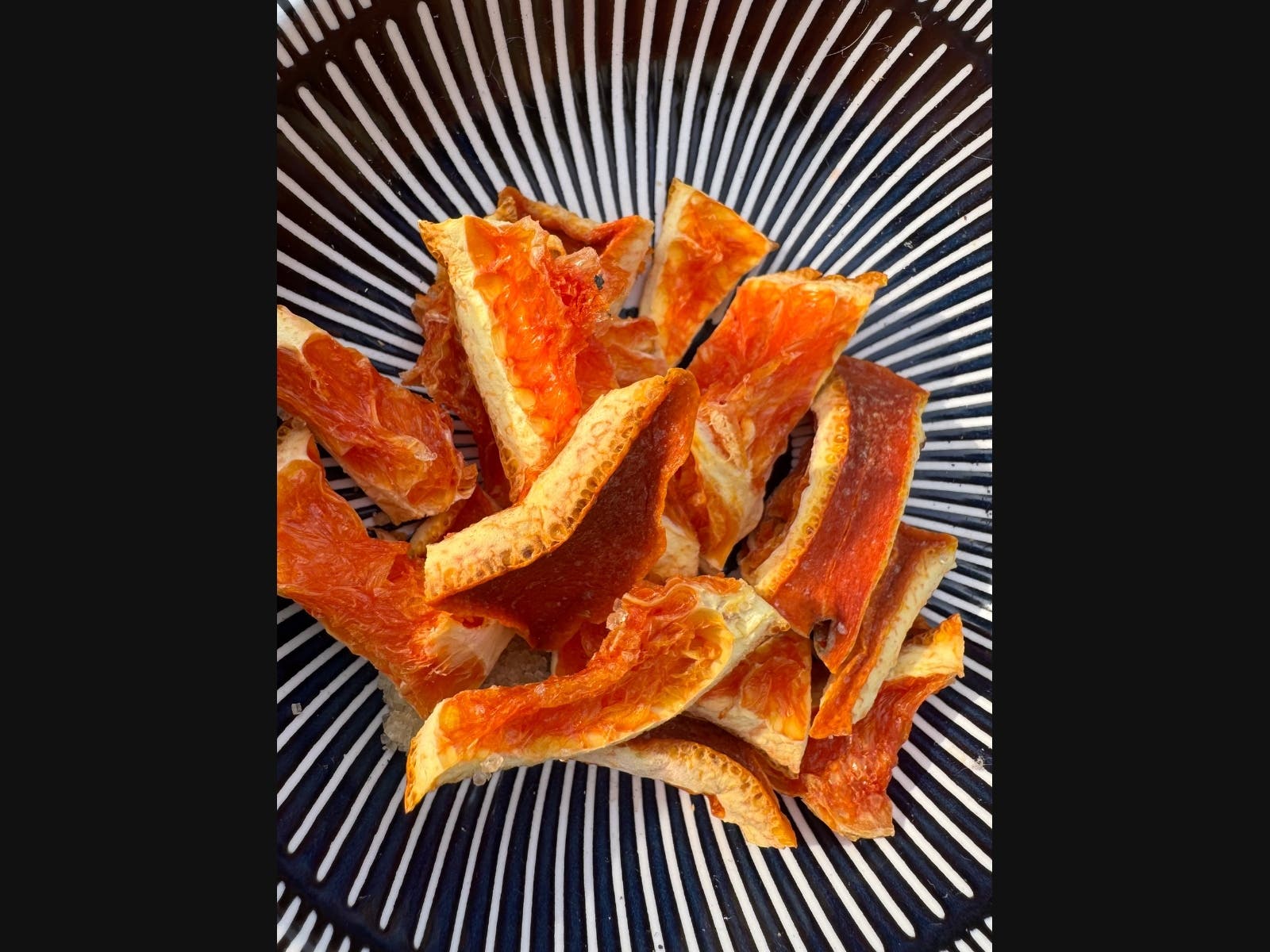
A gentle home apothecary is not about perfection, expensive tools, or becoming an herbal expert overnight. It is about creating small moments of care within daily life through tea, herbs, spices, ritual, and seasonal awareness. In Ayurveda, wellness is often found in simple daily rhythms that help us feel grounded, nourished, clear, and connected to ourselves. A home apothecary can become a quiet corner of the home that supports rest, reflection, comfort, and mindfulness. Through simple practices like drying citrus, brewing tea, simmering spices, or preparing an evening ritual, we begin to slow down and reconnect with the art of caring for ourselves with intention.
What Is a Home Apothecary?
Historically, an apothecary was a place where herbs, spices, oils, teas, and natural preparations were stored and prepared for daily use. Long before modern pharmacies existed, apothecaries were often part kitchen, part healing space, and part community gathering place. Shelves were lined with dried plants, roots, flowers, handwritten labels, glass jars, and simple remedies passed through generations.
Find out what's happening in Napervillefor free with the latest updates from Patch.
Today, many people are rediscovering the beauty of the apothecary concept, not necessarily to replace modern medicine, but to reconnect with slower and more intentional living. A modern home apothecary may include herbal teas, dried citrus, mineral salts, honey, spices, bath blends, candles, journals, simmer pots, and nourishing seasonal rituals.
At its heart, a home apothecary is less about collecting things and more about creating a relationship with care.
Find out what's happening in Napervillefor free with the latest updates from Patch.
Ayurveda and the Rhythm of the Seasons
Ayurveda teaches that humans are deeply connected to nature and seasonal rhythms. The foods we eat, the routines we follow, the amount of rest we receive, and even the temperature outside can influence how we feel physically and emotionally.
During colder seasons, many people naturally crave warmth, grounding foods, soups, spices, teas, and slower evenings. During warmer months, lighter meals, cooling herbs, fresh fruits, and hydration often become more supportive.
A gentle home apothecary allows us to respond to these shifts with awareness.
This may look like:
• warming ginger tea in winter
• rose and mint tea during summer
• cinnamon and clove simmer pots in autumn
• mineral baths during stressful periods
• calming evening rituals before bed
• drying seasonal citrus for tea blends and decoration
Ayurveda reminds us that wellness is not always found in intensity. Sometimes wellness is found in listening carefully to what the body and mind are asking for in a particular season.
The Beauty of Tea Rituals
Tea preparation can become a form of mindfulness.
The simple act of heating water, selecting herbs, slicing citrus, or preparing a mug creates a natural pause within the day. For many people, tea rituals become less about the beverage itself and more about the emotional experience surrounding it.
The steam.
The scent.
The warmth of the cup.
The quiet moment before beginning work.
The slowing down before sleep.
In a fast-moving world filled with noise, tea rituals offer an opportunity to reconnect with stillness.
Many people discover that preparing tea intentionally becomes a form of self-respect. Rather than rushing from task to task, the ritual creates a reminder that care is allowed before exhaustion arrives.
This idea connects beautifully with Ahimsa, the yogic principle of non-harming. Ahimsa is often discussed in relation to kindness toward others, but it also includes the way we care for ourselves. Small rituals can become acts of gentleness toward the nervous system.
Creating a Beginner-Friendly Apothecary
A home apothecary does not need to be large or complicated. In fact, beginning with only a few intentional items often creates a more sustainable practice.
A gentle beginner apothecary may include:
• herbal teas
• dried citrus
• local honey
• cinnamon sticks
• cardamom pods
• ginger root
• lavender
• rose petals
• mineral salts
• glass jars
• handwritten labels
• a favorite mug or teapot
Some people enjoy creating a dedicated shelf, cabinet, basket, or small corner for these items. Others place a tray near the kitchen or tea station.
The goal is not aesthetic perfection.
The goal is accessibility and care.
When supportive items are visible and easy to use, we are more likely to integrate nourishing rituals into daily life.
Dried Citrus and Seasonal Tea Rituals
One of the simplest and most beautiful additions to a home apothecary is dried citrus.
Blood oranges, lemons, limes, and traditional oranges can all be dehydrated and stored for future tea blends, simmer pots, garnishes, and seasonal rituals. The colors become rich and jewel-like, while the scent creates an atmosphere of warmth and comfort.
Dried citrus may be added to:
• evening herbal teas
• sparkling water
• cinnamon simmer pots
• winter gatherings
• handmade gifts
• tea meditation circles
• seasonal displays
The process itself also becomes part of the ritual.
Slicing fruit carefully.
Arranging the pieces.
Waiting patiently while they dry.
Filling the home with citrus aroma.
Simple preparation practices often invite us back into presence.
The Emotional Side of Ritual
Many people are not actually searching for another product or another wellness trend.
They are searching for a feeling.
A feeling of groundedness.
A feeling of home.
A feeling of comfort.
A feeling of softness after overstimulation.
Ritual helps create emotional anchors throughout the day.
Lighting a candle before journaling.
Preparing tea before reading.
Taking a mineral bath after a difficult week.
Breathing deeply while herbs steep.
These moments signal safety to the body and mind.
This is especially important in modern culture, where many people move quickly from obligation to obligation without allowing space to process emotions, rest, or reconnect with themselves.
A gentle home apothecary can become a quiet reminder that care belongs inside ordinary life, not only during moments of crisis.
The Difference Between Wellness and Perfection
One of the most important things to remember is that wellness is not perfection.
A home apothecary is not meant to become another pressure-filled project or aesthetic competition. It does not need to look like a magazine photograph to be meaningful.
Some days your ritual may involve carefully blended tea and handwritten labels.
Other days it may simply mean drinking warm lemon water while sitting quietly with your dogs before the world wakes up.
Both count.
Ayurveda encourages observation over judgment. Rather than forcing rigid routines, it invites awareness of what feels balancing, nourishing, and sustainable.
This softer approach allows rituals to remain supportive rather than stressful.
A Simple Evening Tea Practice
One gentle evening ritual may look like this:
Choose a calming tea blend such as chamomile, tulsi, lavender, cinnamon, or rose.
Heat water slowly and intentionally.
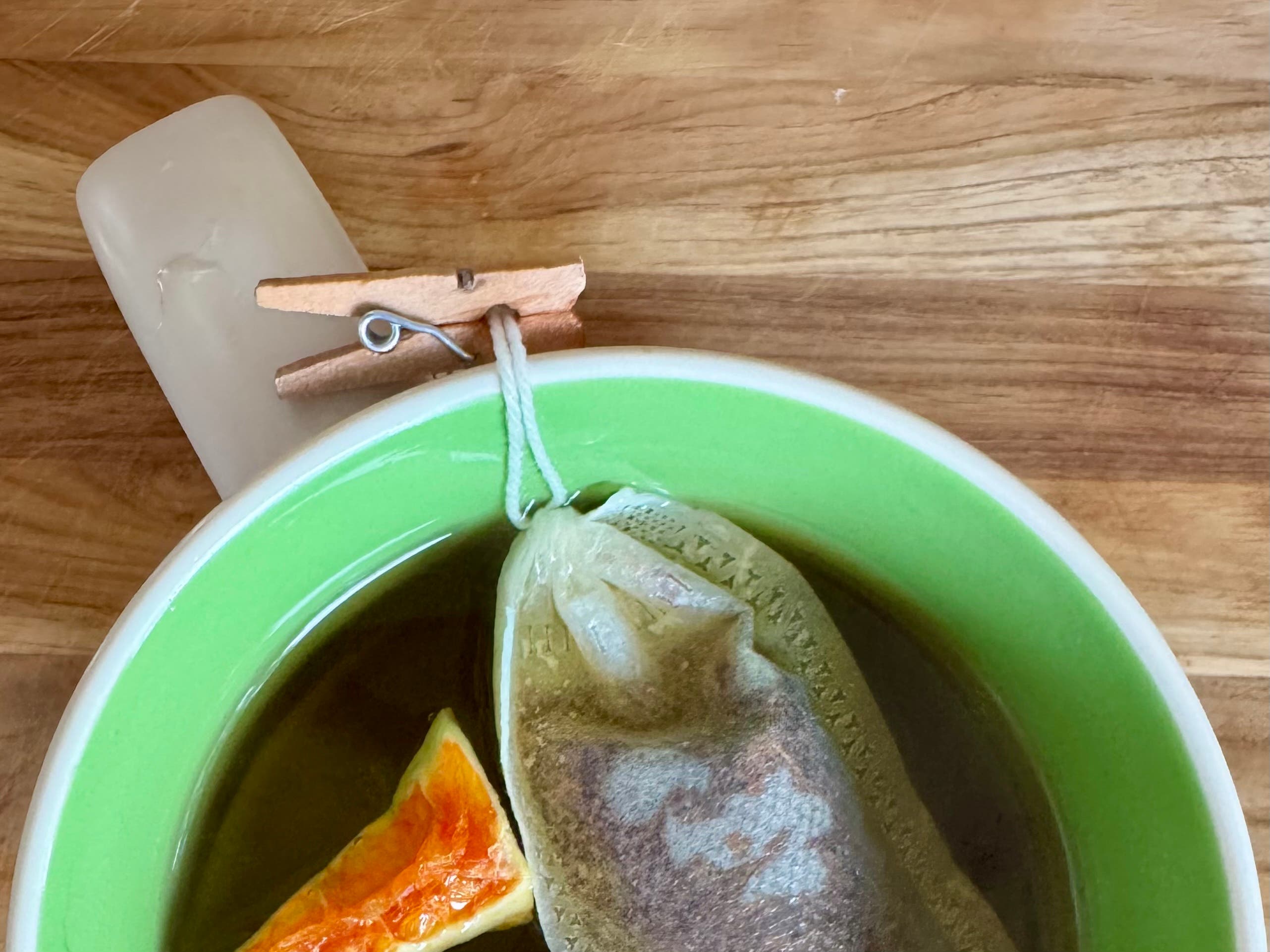
Place dried blood orange slices into your favorite mug or teapot.
Allow the tea to steep while dimming lights or putting away screens.
Sit quietly for a few moments before drinking.
Notice the warmth of the mug.
Notice the scent.
Notice the breath slowing down.
No multitasking.
No urgency.
No need to optimize the moment.
Just presence.
This kind of ritual may appear simple from the outside, but over time, these moments of intentional care can become deeply supportive.
Returning to Simplicity
There is something profoundly grounding about returning to simple practices.
Drying fruit.
Brewing tea.
Organizing herbs.
Preparing nourishing foods.
Creating quiet rituals at home.
These acts remind us that wellness is often built slowly through daily rhythms rather than dramatic transformations.
A gentle home apothecary becomes less about collecting remedies and more about cultivating relationship with self, season, and presence. Through tea rituals, herbs, spices, and intentional pauses, the home begins to feel softer, calmer, and more restorative. Ayurveda teaches us that small, consistent acts of care matter deeply. Sometimes healing begins not with complexity, but with a warm cup of tea, a dried blood orange, and a quiet moment of attention before the day begins.
#ayurveda #michelleraesobi #edgeyogaschool