Neighbor News
Rome Without the Marathon: Seeing the Eternal City by Golf Cart
Rome invites you to walk.

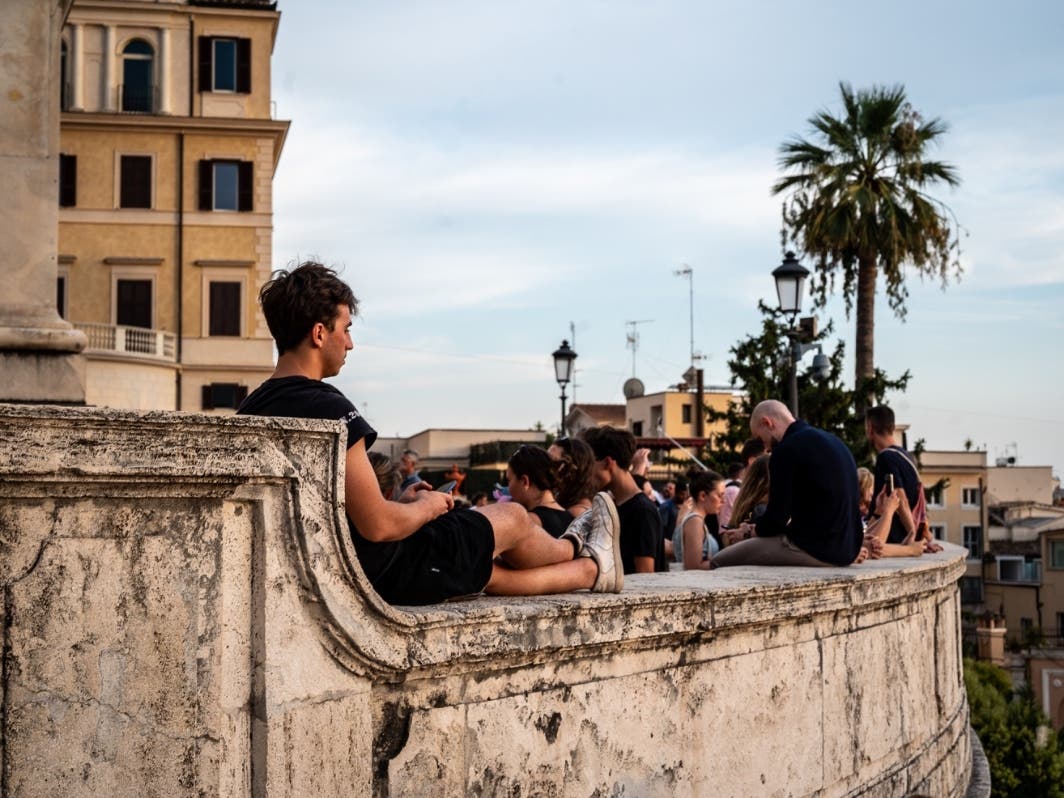
A thoughtful way to experience Rome’s ancient landmarks, protect your energy, and still come home with extraordinary photographs
Cobblestone streets disappear around corners. Ancient ruins emerge between modern buildings. A short stroll to see one monument can easily become several miles of wandering because there is always something else just ahead.
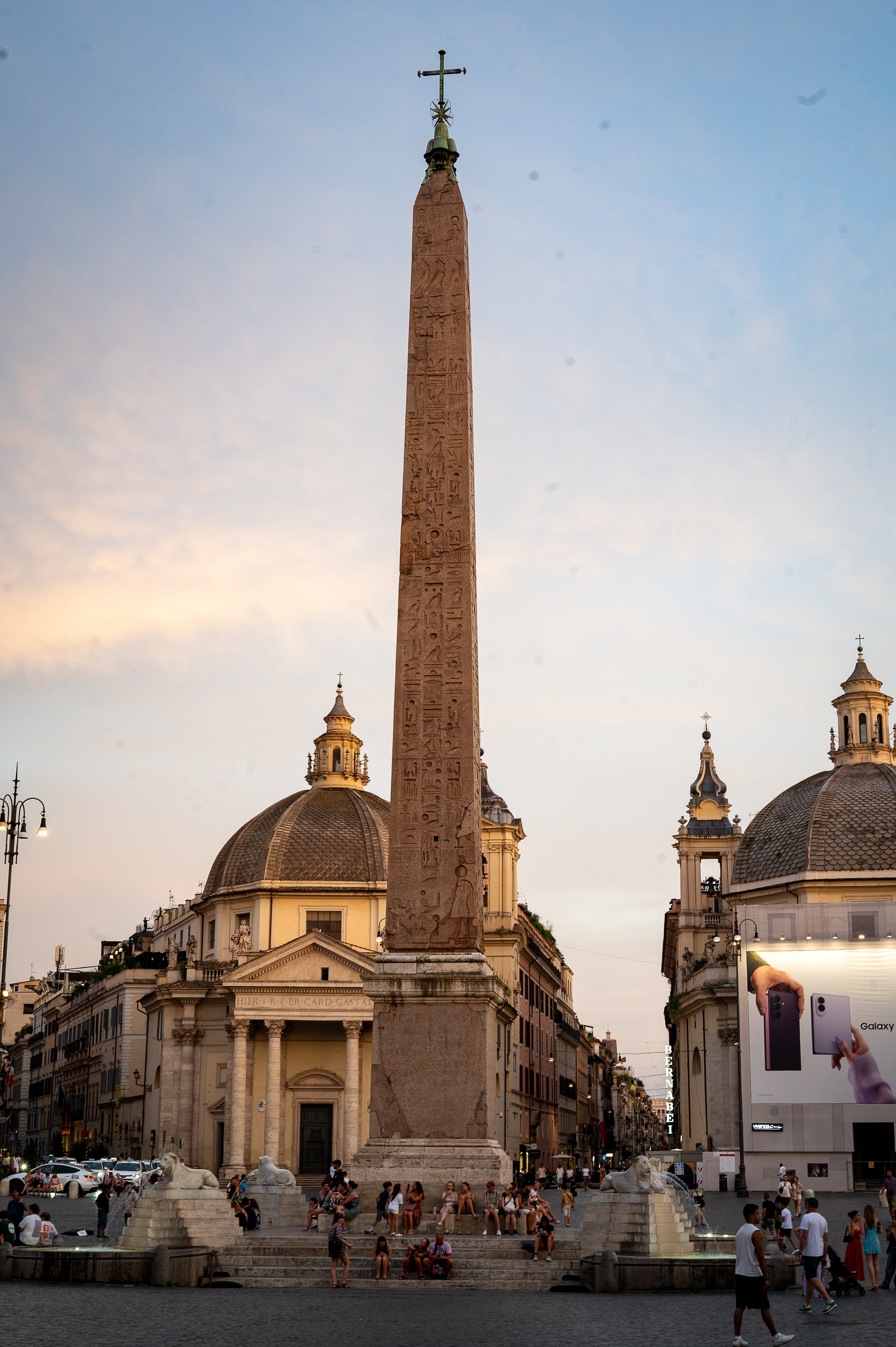
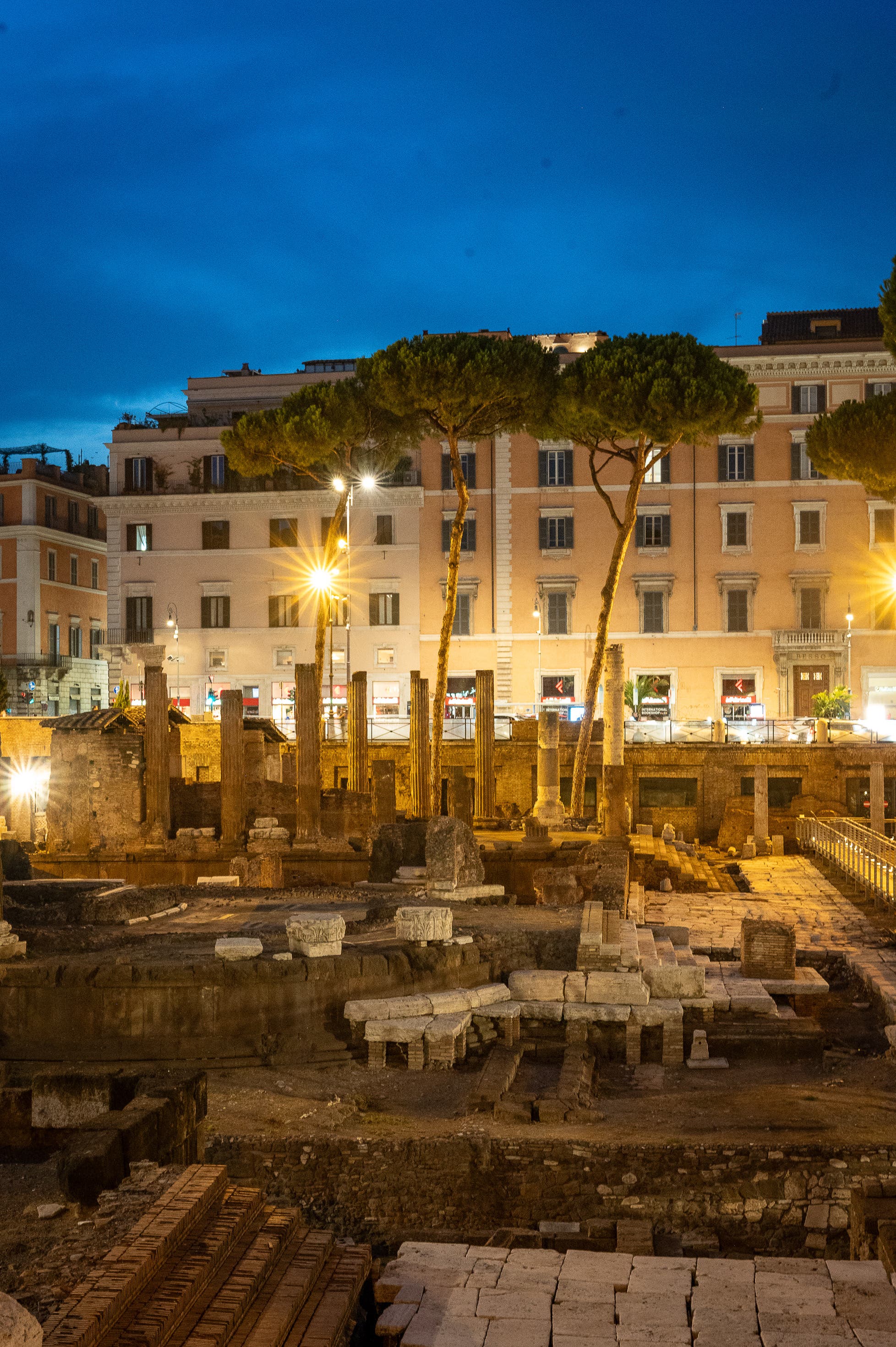
That is part of Rome’s magic. It can also be exhausting.
Find out what's happening in Napervillefor free with the latest updates from Patch.
During a recent stay in the Eternal City, I found myself considering something travelers do not always think about when building an itinerary: it is not only what you want to see, but how you wantto feel while seeing it.
When several major sightseeing days are stacked together, even an enthusiastic traveler can discover that the itinerary looks considerably better on paper than it feels on the back.
Find out what's happening in Napervillefor free with the latest updates from Patch.
The Roman Forum Doesn’t Have to Mean Hours of Walking
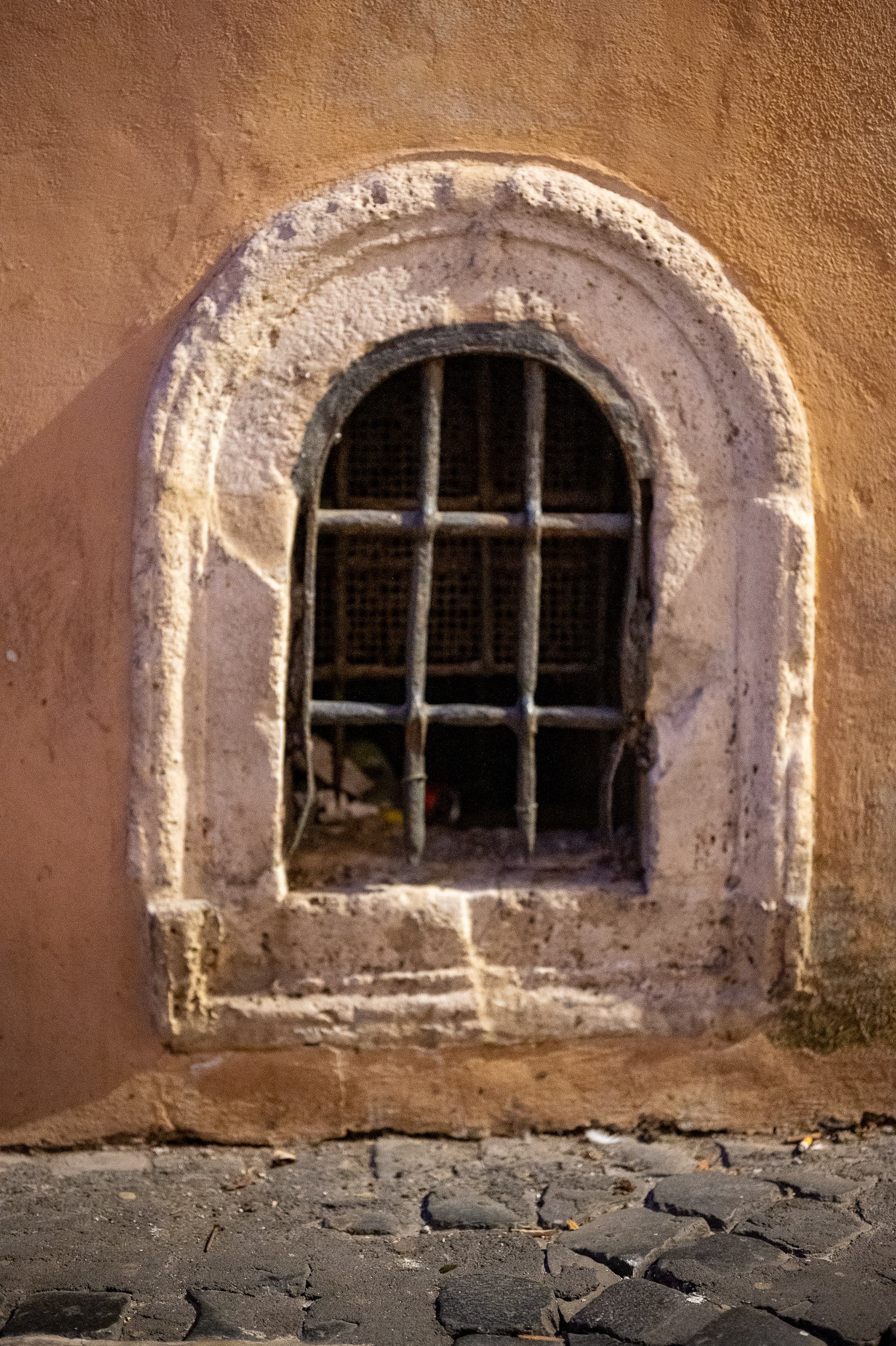
The Roman Forum and Palatine Hill are extraordinary archaeological destinations, but exploring them traditionally can involve considerable walking, uneven surfaces, inclines and prolonged periods on your feet.
There is another way to experience Ancient Rome.
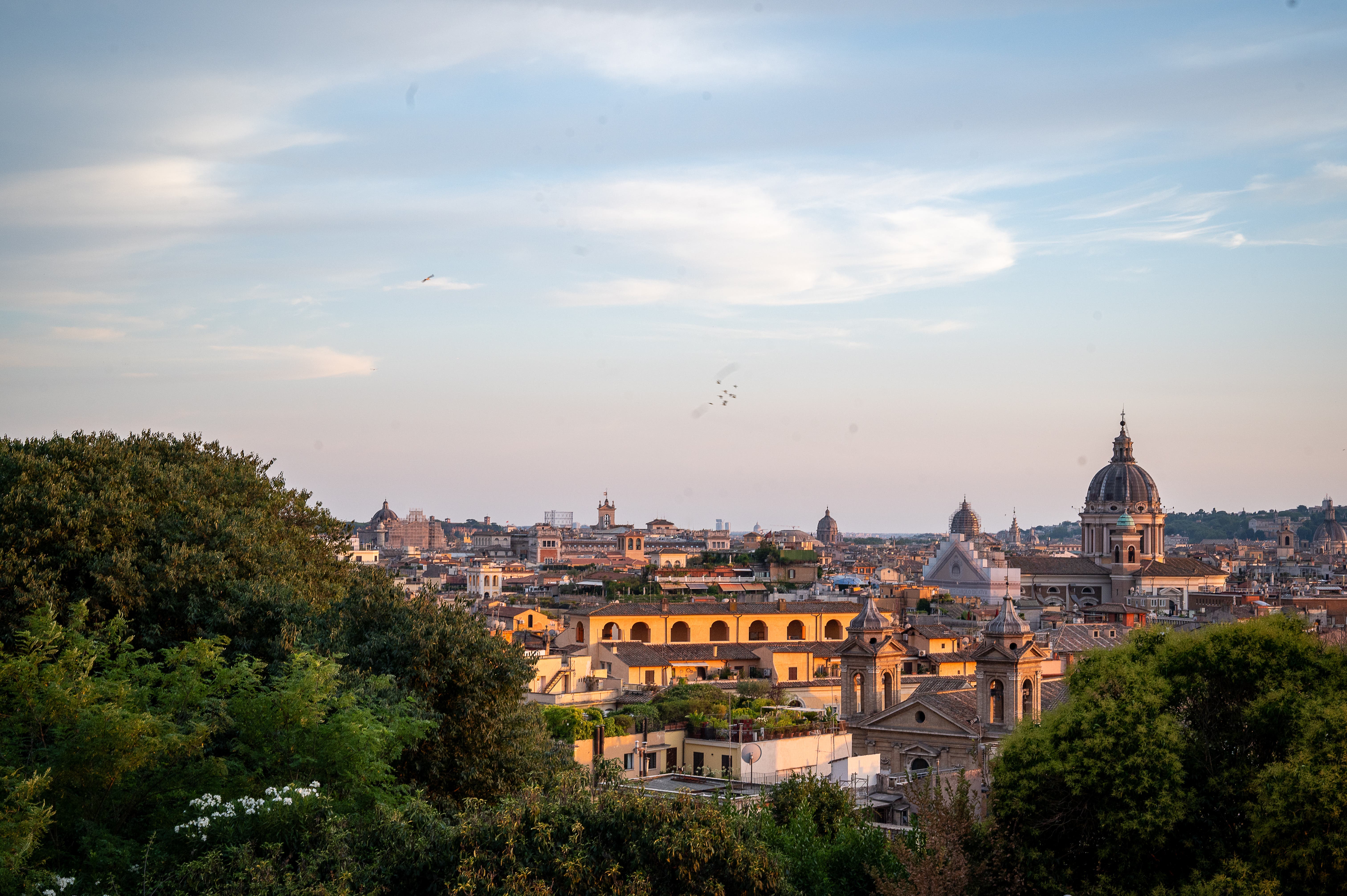
Private golf-cart tours have become an interesting option for travelers who want to see a great deal of the city while reducing continuous walking. There is an important caveat: regular sightseeing golf carts cannot simply drive through the protected archaeological areas of the Roman Forum and Palatine Hill.
But they don’t need to.
A thoughtfully planned golf-cart route can travel around Ancient Rome, stopping near viewpoints for the Colosseum, Roman Forum, Palatine Hill and Circus Maximus.
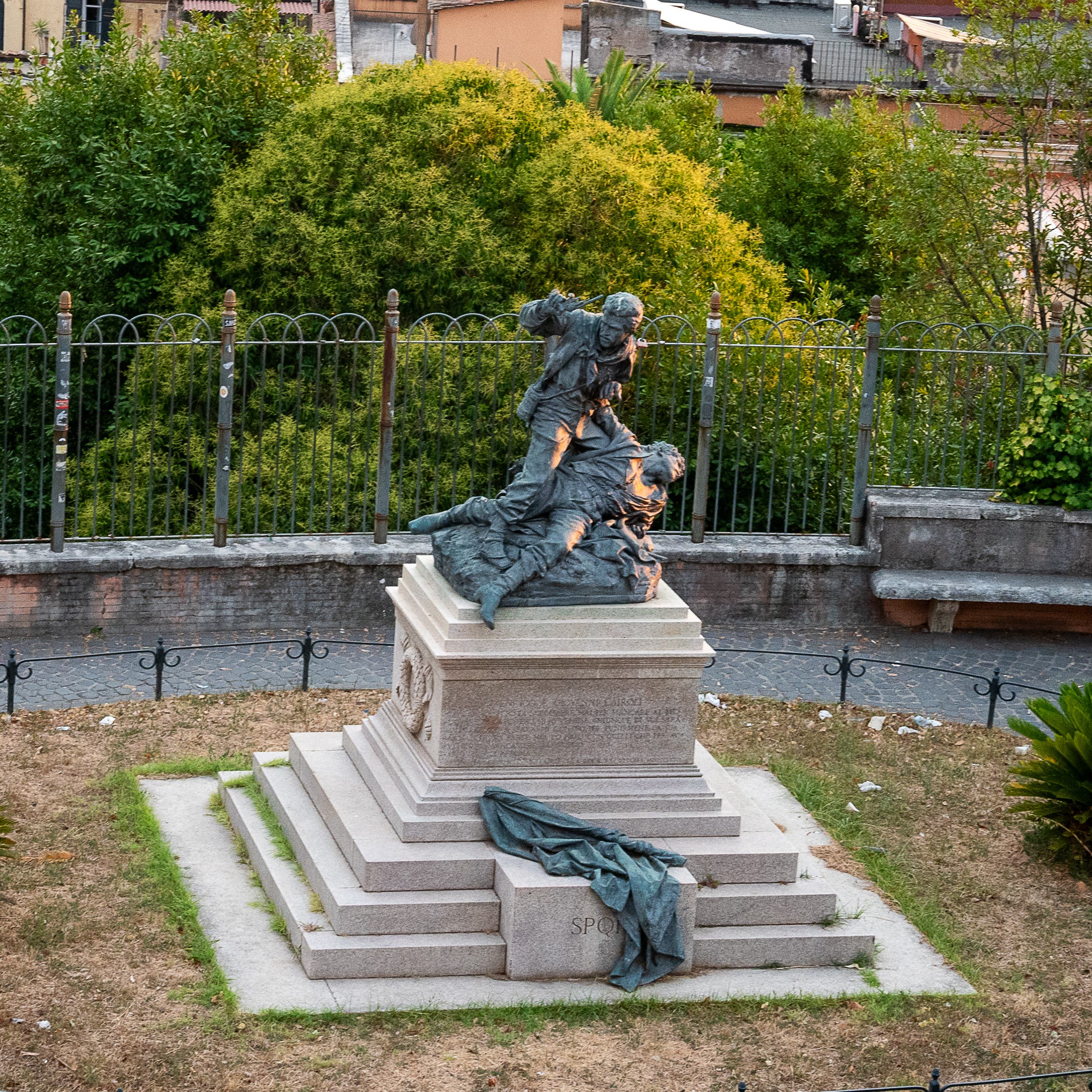
The experience can become wonderfully simple:
Ride. Stop. Step out. Explore for a few minutes. Photograph. Return to the cart. Continue.
Rather than spending several consecutive hours walking through an archaeological site, you can choose where you want to spend your physical energy.
For photographers, that can actually be an advantage.
Think Like a Photographer, Not a Checklist Tourist
There is a temptation when visiting a city like Rome to believe that experiencing a landmark requires walking through every part of it.
Photography teaches a different lesson.
Sometimes the most compelling view is not from inside the landmark at all.
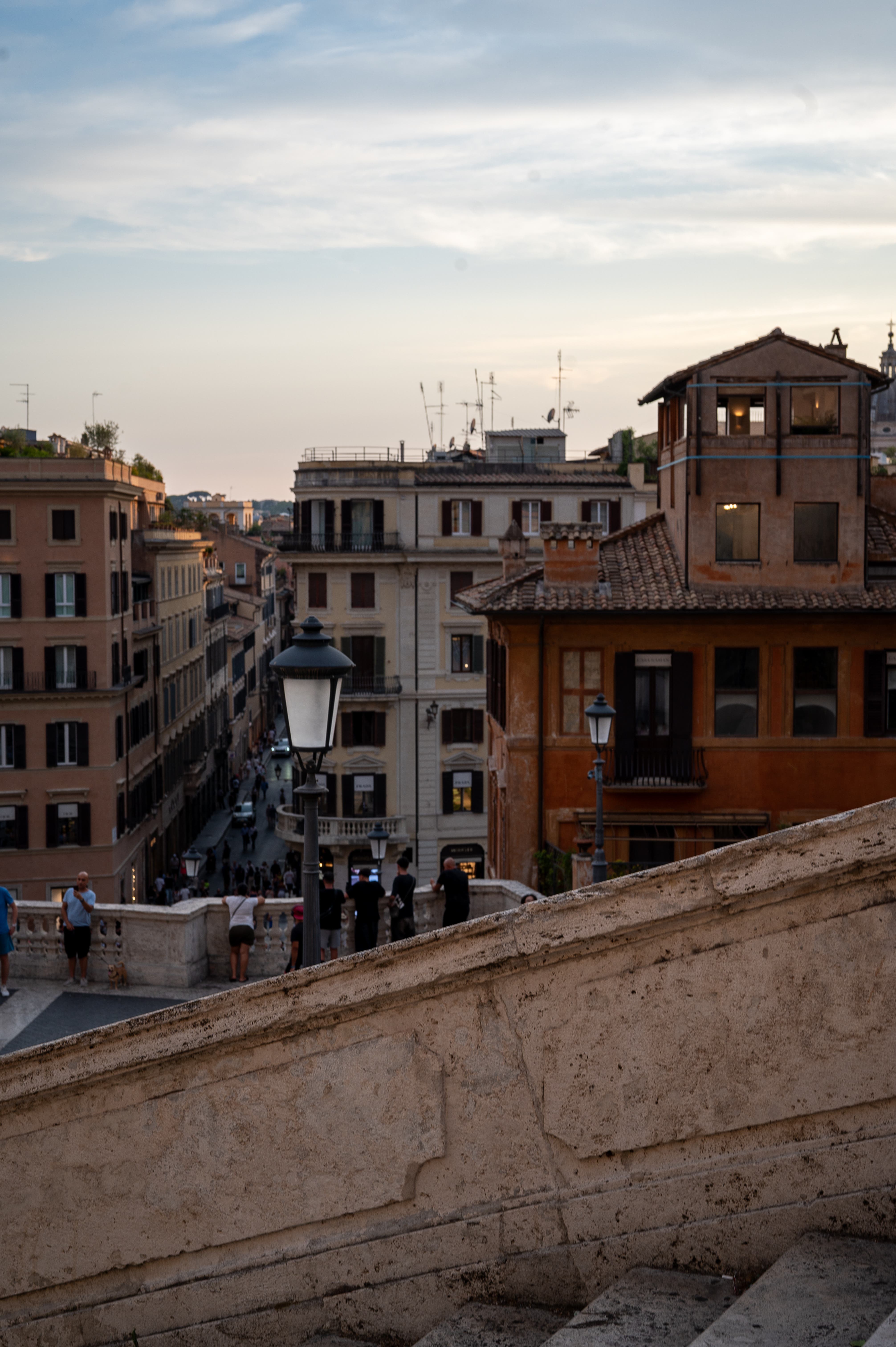
Looking across the Roman Forum from an elevated viewpoint allows you to see layers of columns, temples, arches and ruins together. From the perimeter of Circus Maximus, Palatine Hill rises dramatically above the ancient racecourse. Along Via dei Fori Imperiali, Ancient Rome unfolds alongside the modern city.
A golf cart makes it possible to move between these perspectives without using all of your energy getting from one to the next.
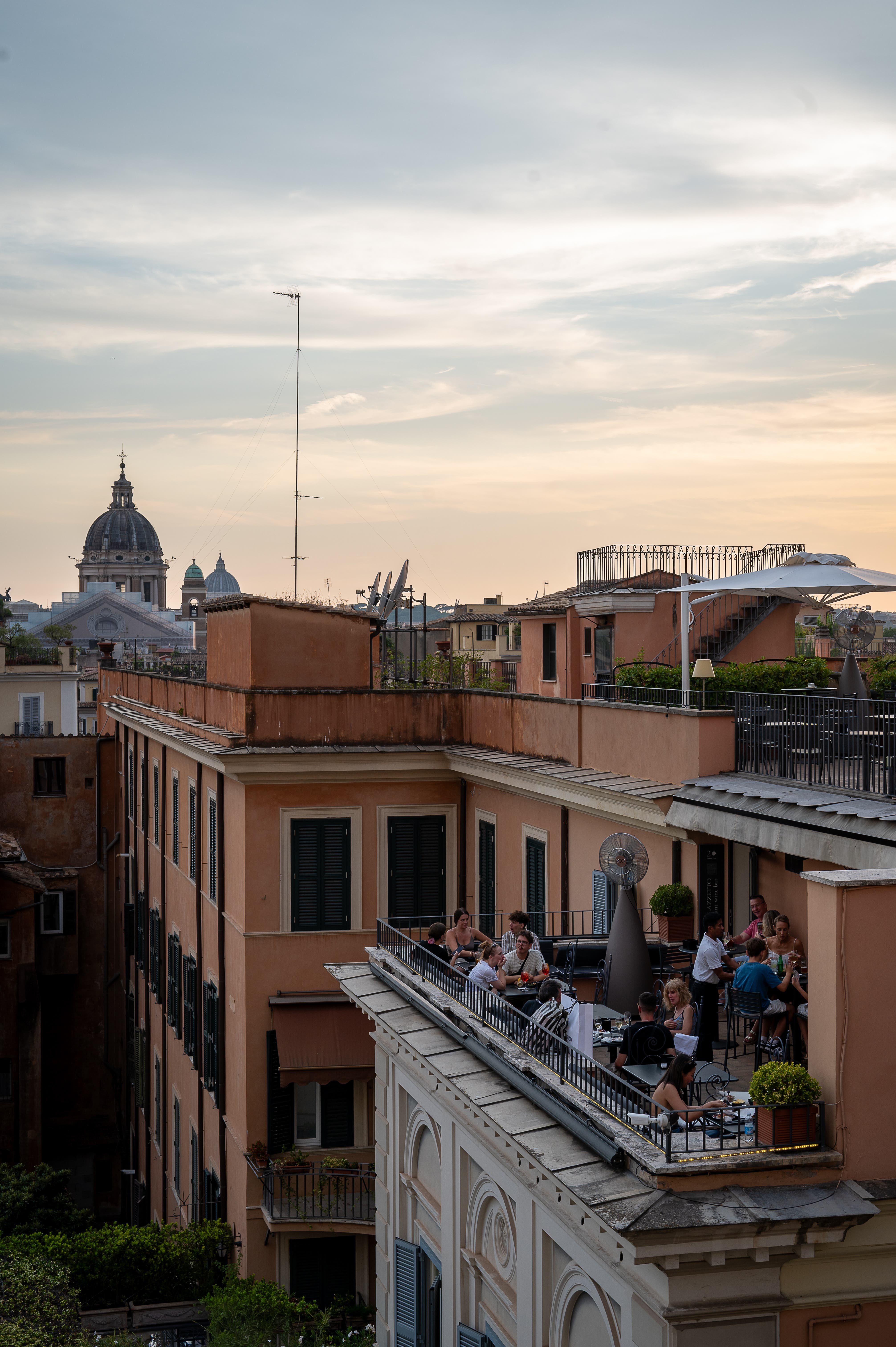
Bring your camera or phone, but resist the urge to photograph everything immediately. Step out. Look first.
Notice the light.
Notice where ancient stone meets the modern city.
Notice the people walking through spaces occupied for thousands of years.
Then make the photograph.
Your Back Belongs on the Itinerary, Too
Travel itineraries tend to be organized around opening hours, reservations and geography.
There is another consideration worth adding: recovery.
If Tuesday involves extensive walking, Wednesday does not necessarily need to involve extensive walking simply because another attraction is nearby.
A golf-cart day can become a strategic bridge between more physically demanding experiences. A traveler might spend one day exploring extensively on foot, use the following day for sightseeing primarily by golf cart, take another lighter day, and arrive at a major destination such as the Vatican Museums with considerably more enthusiasm.
That isn’t seeing less of Rome.
It is pacing Rome.
And there is something very compatible with yoga philosophy in that idea.
We pay attention. We observe. We respond to what is actually happening rather than forcing ourselves through a predetermined sequence simply because it appeared on the original plan.
Travel can benefit from the same practice.
Ask for the Tour You Actually Want
One lesson I learned is that simply requesting a “golf-cart tour of the Roman Forum” may create confusion.
The better request is specific.
Ask for a private or customizable Ancient Rome golf-cart tour with minimal continuous walking and short photography stops. Explain that you understand the cart cannot enter protected archaeological areas and that you would instead like to visit the best accessible viewpoints surrounding them.
Ask about stops near the Roman Forum, Colosseum, Palatine Hill and Circus Maximus. Tell the guide that you would like opportunities to get out, walk briefly, photograph and return to the cart.
That description changes the conversation.
You’re no longer trying to make a standard tour accommodate you. You’re designing the experience around the way you want to travel.
From Yoga Mat to Camera to Retreat
That intersection between movement, travel and visual storytelling is also becoming increasingly important to the way we educate wellness professionals.
At Edge Yoga School, yoga education extends beyond learning what happens on the mat. A yoga professional eventually has to consider how experiences are designed for real people with different bodies, energy levels and needs.
At Sobi Art School, the camera adds another dimension. Retreat leaders and creative entrepreneurs can learn to document experiences thoughtfully, creating photographs that communicate a sense of place rather than simply proving that everyone was there.
And through Yoga Retreat Specialist, those skills come together in the larger question of experience design: How do we create a retreat or wellness journey that people can actually enjoy while they are living it?
Rome offered a wonderful reminder.
The best itinerary isn’t necessarily the one that fits in the most attractions.
Sometimes it is the one that leaves enough space to sit down, look around, take the photograph and still feel wonderful when tomorrow arrives.
Michelle Rae Sobi is the founder of Edge Yoga School and Sobi Art School. Her work brings together yoga education, visual arts, professional development and experience design for yoga and wellness professionals.