Community Corner
Oak Forest Fire Department First In State To Use Breakthrough Cardiac Monitoring Tool: City
New system helps ensure better electrode placement to more effectively diagnose heart attacks, arrhythmias, and poor blood flow.


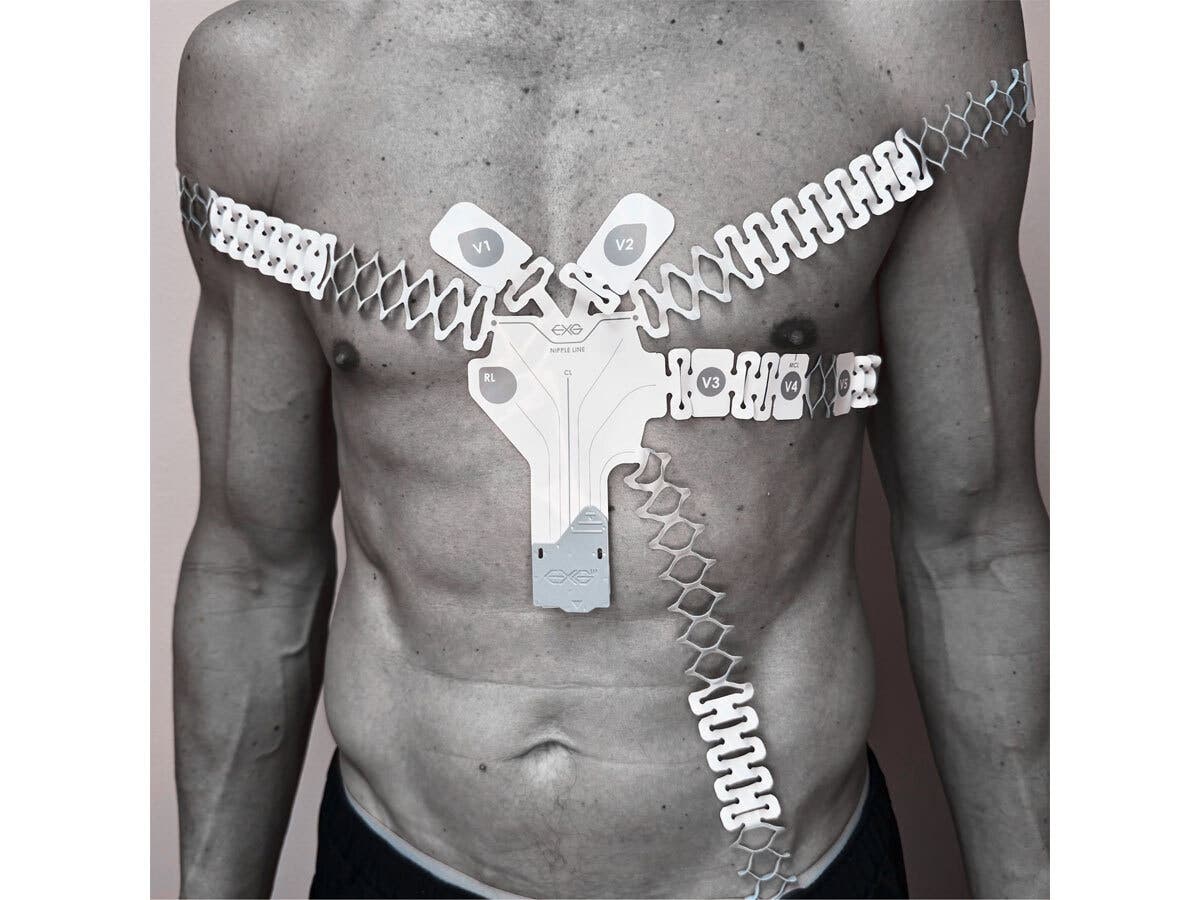
Oak Forest's fire department is the first in Illinois to use the EXG 12-lead system, a groundbreaking cardiac monitoring solution from C-Booth Innovations, a medical device company in San Diego. The EXG helps ensure better electrode placement on the chest, arms and legs to more effectively diagnose heart attacks, arrhythmias, and poor blood flow, the City of Oak Forest said Monday in a release.
Its radiolucent design allows continuous monitoring through X-rays and CT scans without removal and decreases lead placement time during CPR, according to a release.
Find out what's happening in Oak Forestfor free with the latest updates from Patch.
"This new technology is transforming emergency medical services and we are fortunate to be at the forefront of what we know will be the standard of care across all medical settings," said Oak Forest Fire Chief Gary Kasper. "This device is another example of how our members strive to provide the best care possible for our residents and patients."
The EXG integrates all electrode sites in the chest area surrounding the heart into a single anatomically-guided adhesive device. The device includes: anatomical markers; a single reference point; consistent inter-electrode spacing; single connection terminal to avoid cable confusion and lead reversal errors; and radiolucent design for continuous monitoring without removal, all of which were identified as components that have been improved with this device.
Find out what's happening in Oak Forestfor free with the latest updates from Patch.
The EXG system was created by two emergency medicine physicians, who recognized a fundamental problem—despite 50 years of electrocardiographic technology advancement, electrode placement methods had not evolved. The creators saw firsthand how misplaced electrodes could lead to: missed diagnoses of life-threatening conditions; false-positive readings triggering unnecessary catheterization laboratory activations; inconsistent readings between prehospital and hospital settings; and extended training requirements with persistent accuracy challenges.
Get more local news delivered straight to your inbox. Sign up for free Patch newsletters and alerts.