Community Corner
Invasive 'Crazy Worms' In Illinois, Other States Prompt Warning
The Asian jumping worm has been reported in several states, including Illinois and Indiana. It's known for "thrashing" when found.


Agriculture experts in Illinois and several other states are warning of an invasive pest known for the damage it causes to soil.
The Asian jumping worm—known also as the "crazy worm" or "snake worm"—has been found in states across the Midwest as well as other regions.
The Colorado Department of Agriculture earlier this week issued an invasive pest alert, noting the harmful impact the worms can have on soil and plants.
Find out what's happening in Orland Parkfor free with the latest updates from Patch.
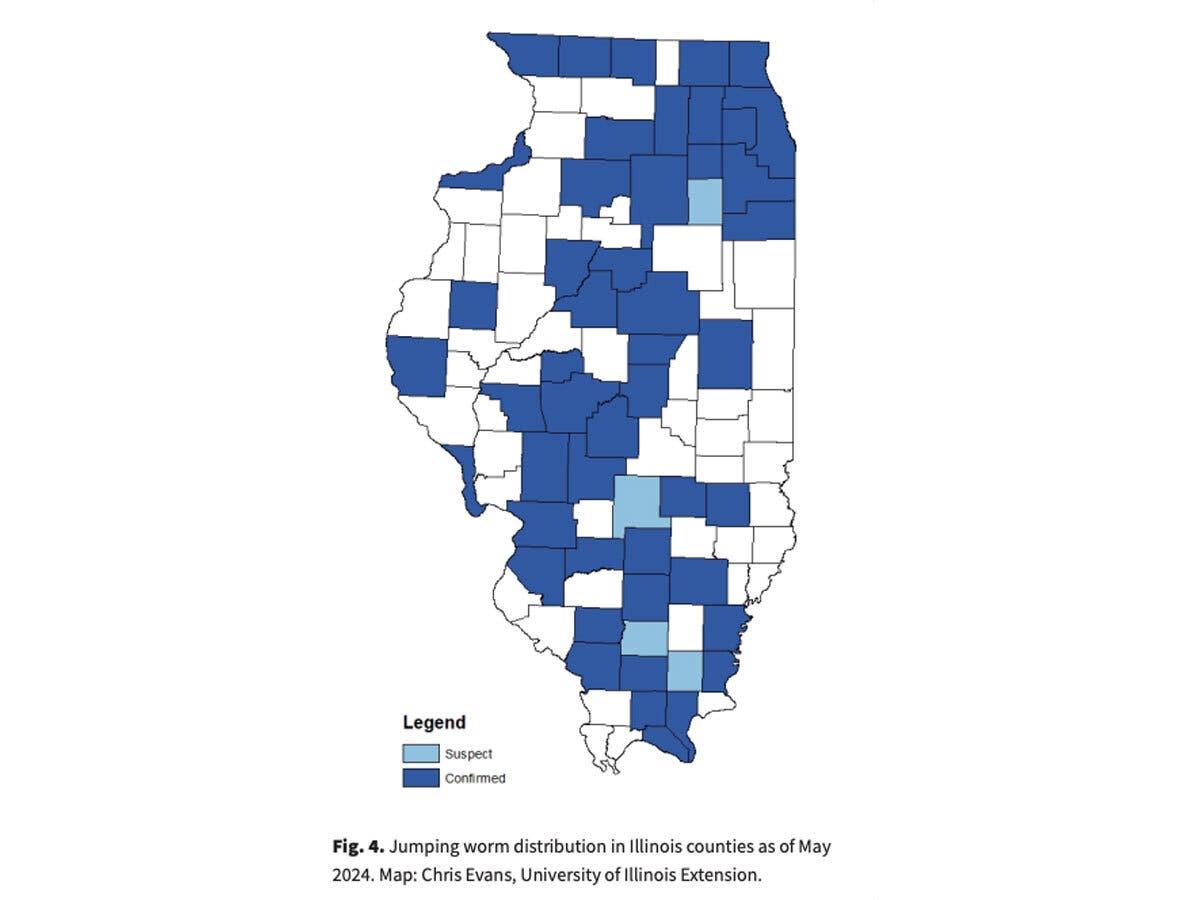
In Illinois, it's described as "highly invasive," and is being tracked by experts at the University of Illinois Extension Forestry. The worms were first discovered in Illinois in 2015, and since then, they have been identified in 48 counties.
The pest has popped up in northern Illinois, with nearly all of Chicagoland either confirmed or suspected, and central Illinois also impacted, said Ken Johnson, horticulture educator with the University of Illinois Extension.
Find out what's happening in Orland Parkfor free with the latest updates from Patch.
“The jumping worms’ hyper-activity degrades the soil structure, can harm plant roots and accelerate soil drying," CDA said in a release. "This creates a ‘nutrient-poor paradox’ where nutrients are present but unavailable to plants...."
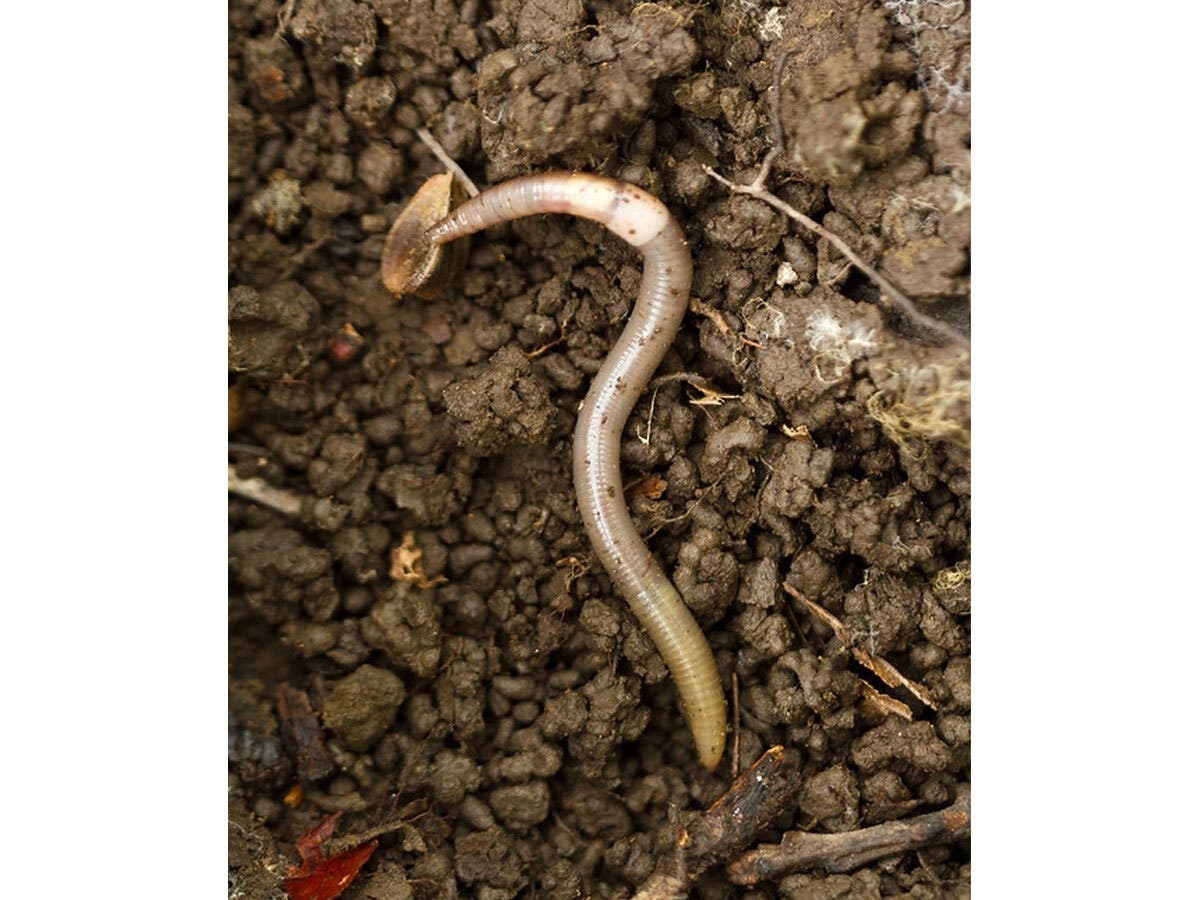
The worms are described as long and red-to-brown colored. They "thrash and move erratically with a violent, snake-like motion when disturbed."
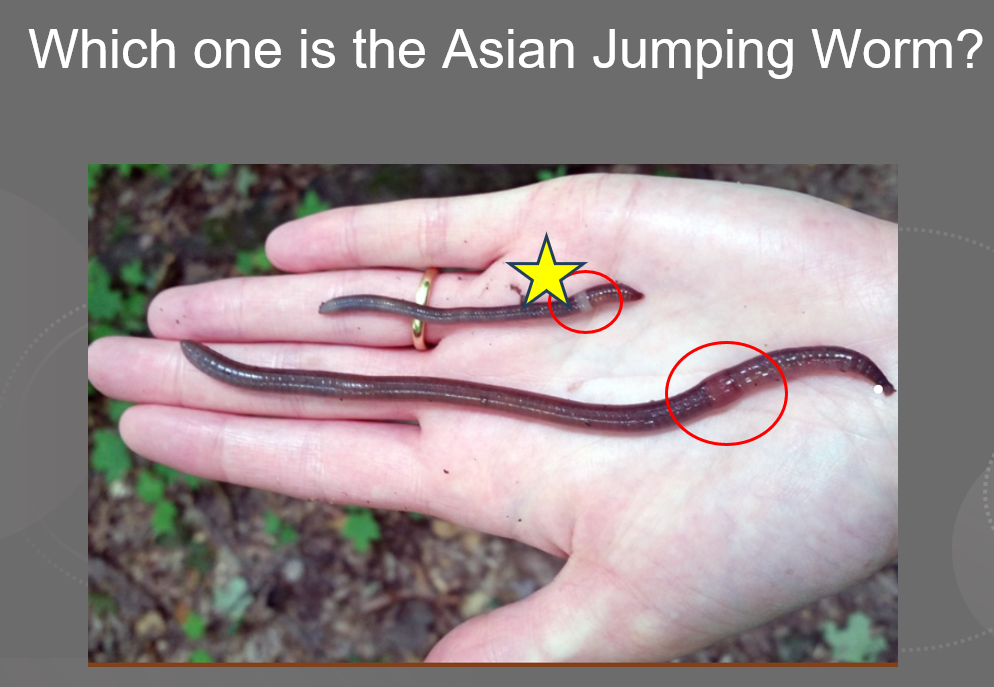
They range in length from 4 to 8 inches in length, and their bodies may appear metallic. Unlike typical earthworms, they have a cloudy white band, called the clitellum, around their body. They are much more active than typical earthworms and can be found on the soil surface and in leaf litter.
"The worms are voracious eaters that consume the top layer of organic matter and quickly convert the soil into grainy castings that look like dry coffee grounds," according to the University of Illinois Extension. "They change the soil structure, deplete available nutrients, damage plant roots, and alter water holding capacity of the soil. Changing the soil has a ripple effect across ecosystems."
A telltale sign of their presence is "very uniform, granular" soil texture created from their feces left on the surface soil. They can also reproduce without mating, allowing them to spread quickly.
Complete eradication isn't possible, but there are some preventative measures to take:
- Avoid moving soil, compost or potted plants from yards if infestation is suspected.
- Inspect all potted plants and soil before moving, sharing or bringing them into gardens, and consider buying bare-root stock.
- When purchasing bulk mulch or compost, confirm it has been heat-treated to at least 130°F for three days to kill the cocoons.
If you think you might have them, here's what to do:
- Mix 1 gallon of water with 1/3 cup of ground yellow mustard seed.
- Clear a bare batch of soil and pour the solution slowly over the soil.
- The solution irritates the worms and drives them to the surface.
- Safely destroy worms by placing them in a plastic bag in the sun for 10 minutes.
A map provided by experts shows counties where they've already been documented. If you've found one in an unconfirmed county, report it by taking a few clear, well-lit pictures of the worm, including a close-up of the band. Physical specimens are not needed. Note the county and environment where it was found. Include details such as how many worms were found or if the soil was impacted.
Submit photos to:
- The University of Illinois Plant Clinic at plantclinic@illinois.edu or call (217) 333-0519.
- Illinois Extension Forester Chris Evans at cwevans@illinois.edu or call (618) 695-3383.
- Your local county Illinois Extension office, go.illinois.edu/ExtensionOffice.
The worm has also been found in California, Michigan, Minnesota, Maine, Wisconsin, Iowa, Indiana, Tennessee, Ohio, Florida, New Jersey, Kansas, Missouri, Nebraska, Oklahoma, Texas, Louisiana, Kentucky, and New Hampshire, WGN reports.
Get more local news delivered straight to your inbox. Sign up for free Patch newsletters and alerts.