Pets
Marlborough Animal Advocate Joins Effort To Protect Endangered Owls In Aruba
Traveling to Aruba? Popular ATV tours may be destroying endangered owl nests, warns a local wildlife rescuer.


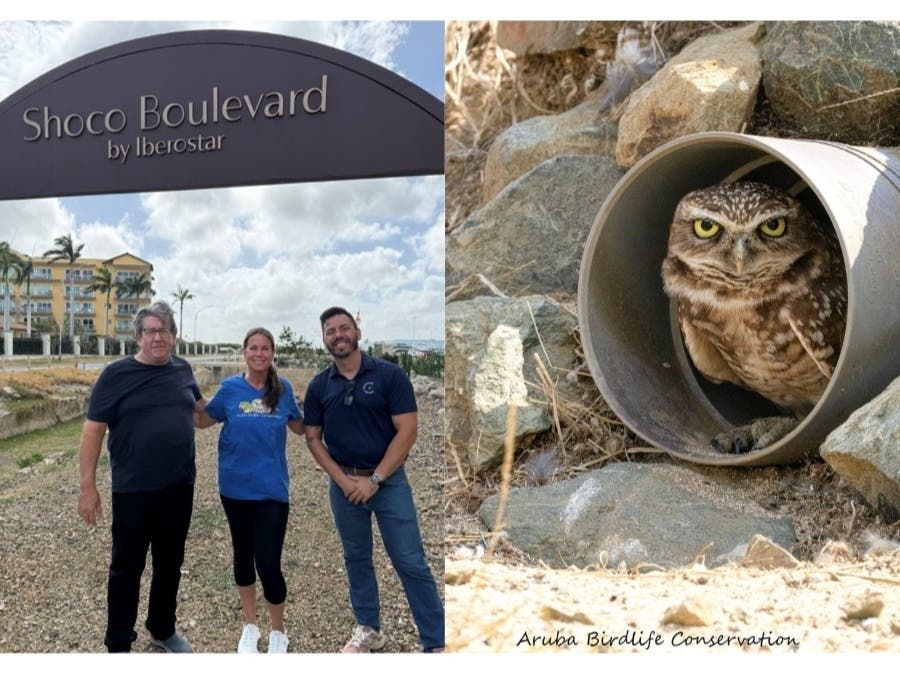
MARLBOROUGH, MA — A Marlborough-based wildlife rescuer is working to protect vulnerable owl populations thousands of miles away, and trying to bring attention to an issue on the beaches of Aruba.
Alyssa Giaquinto, who runs Giaquinto Wildlife Rehabilitation Center, a wildlife rescue and rehab effort in Marlborough, has teamed up with conservationists in Aruba to warn visitors about the impact of off-road vehicle tours on the island's burrowing owls.
The owls, locally known as the “Shoco,” are a unique subspecies of burrowing owl found almost exclusively in Aruba, with fewer than 200 remaining worldwide, according to Giaquinto.
Find out what's happening in Marlboroughfor free with the latest updates from Patch.
.png)
Unlike most owls, burrowing owls nest in the ground, making them especially vulnerable to utility terrain vehicles, or UTVs, which are often referred to as ATVs, that are commonly used by tourists exploring the island’s beaches and off-road areas.
"They're going on these UTV excursions, and they're going off-road, and they're crushing the eggs that are in the nest," Giaquinto told Patch. "They're ruining where the babies are living, they're scaring parents away."
Find out what's happening in Marlboroughfor free with the latest updates from Patch.

Giaquinto said many visitors, including a large number from Massachusetts, are unaware of the damage. A majority of Aruba's tourists are from the U.S., with almost 13 percent from the Bay State, according to Tourism Analytics.
Many of those travelers participate in UTV excursions marketed as a way to experience the island’s natural beauty.
"People think that they're doing these tours to observe the nature of the island and observe Aruba's beauty, and what they're doing is actually the opposite," Giaquinto told Patch.
Giaquinto has been working with Aruba-based conservationists, including Greg Peterson of the Aruba Birdlife Conservation organization, to help spread awareness and encourage more responsible tourism.
Peterson has dedicated his life to protecting owls, which prompted Giaquinto, who has been traveling to Aruba for many years, to research his mission and learn more about it.
"When people in Massachusetts learn about the Shoco, they’re not just reading about an owl, they’re learning about a species whose survival is directly impacted by the choices made when they visit Aruba," Peterson told Patch. "With fewer than 200 breeding pairs left, every off-road track and every disturbed nest matters."
Peterson said educating travelers before they visit, sharing images of owl habitats and vehicle damage, and promoting alternative activities that do not harm wildlife can make an impact.
"It's so important for the tourists to know before they go what to look for," Giaquinto said. "I think people need to see these pictures of these little owls, the parents with the babies, see the nests in the ground."
The owls also face threats similar to those seen in Massachusetts, including habitat loss and poisoning from rodenticides, she added.
Giaquinto has incorporated the issue in Aruba into her local outreach, speaking to residents and urging them to reconsider certain tourist activities when traveling abroad.
“The best thing we can do now is to educate people and spread awareness on it,” she said. “It seems like a small story, but it has such a huge impact, just changing a few people's minds."
Instead of UTV tours, Giaquinto recommends eco-friendly alternatives, like guided bird tours, snorkeling or exploring the island by car on established roads.
"Every owl's life that is saved, it's a whole generation of owls that are saved after that," she told Patch.
See Also:
Get more local news delivered straight to your inbox. Sign up for free Patch newsletters and alerts.