Politics & Government
Senator Lewis and Mass. Senate Make It Easier to See a Primary Care Doctor
Senate bill aims to reduce healthcare costs for residents and make it easier to find a primary care clinician in Massachusetts.

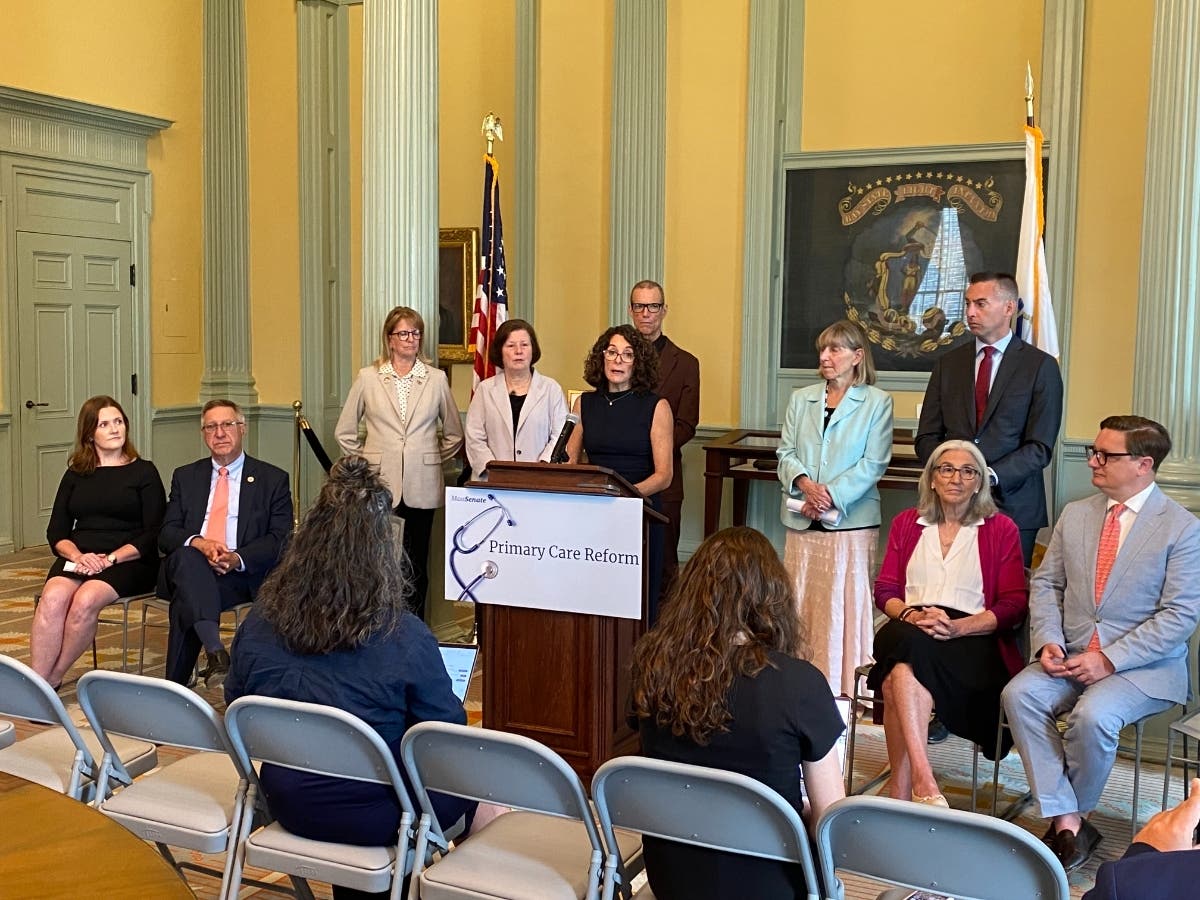
BOSTON—State Senator Jason Lewis joined his colleagues in the Massachusetts Senate to pass new legislation to invest in primary care and make it easier for patients to see a primary care physician in Massachusetts.
Currently, 43% of Massachusetts residents have difficulty accessing primary care, and studies show that 40% of emergency room visits in Massachusetts could have been prevented if treated earlier in a primary care setting.
This legislation aims to reduce healthcare costs for residents and make it easier to find a primary care clinician by requiring healthcare providers and insurers to invest more in primary care services. Additionally, it ensures fairer compensation for community health centers and reduces the amount of time providers have to spend on administrative paperwork.
Find out what's happening in Melrosefor free with the latest updates from Patch.
The bill includes a policy championed by Senator Lewis to grow the state’s primary care workforce by unlocking matching federal funds to train more primary care doctors. It establishes a Medicaid Graduate Medical Education (GME) program that helps cover the cost of residency and fellowship programs to support more primary care doctors in the state.
“The research is clear—access to high quality primary care improves long-term health outcomes for patients and makes healthcare more affordable for everyone,” said Senator Jason Lewis. “I’m very pleased that the state Senate is committed to addressing the state’s shortage of primary care providers and increasing access to high-quality, affordable healthcare.”
Find out what's happening in Melrosefor free with the latest updates from Patch.
In recent years, healthcare institutions have focused on more profitable “specialty care” services, with only 7% of total healthcare spending in Massachusetts going to primary care, leaving many residents without easy access to critical primary care services. The bill would create a more balanced healthcare system by gradually increasing the share of healthcare spending on primary care to 15% of total healthcare spending.
The bill also lifts up community health centers (CHCs), which serve as the frontline of primary care for many patients and have been disadvantaged by receiving lower reimbursements from insurers than other types of providers. It requires commercial insurers to reimburse CHCs at least the same rates that MassHealth reimburses for the same services.
Lastly, the Senate’s bill supports timely and effective treatment for people with serious mental illnesses—who often have to try multiple combinations of medications in an effort to find the right treatment—by eliminating prior authorization for medication to treat serious mental illness, keeping decisions between doctors and patients.
After passing with a bipartisan vote of 35-4 in the state Senate, the bill was sent to the House of Representatives for further consideration.