Politics & Government
Ayotte Celebrates One Year Anniversary Of Bail Reform. DWI Reform Is Next
Although the bail reform law was signed a year ago, it has been in effect for only six months.

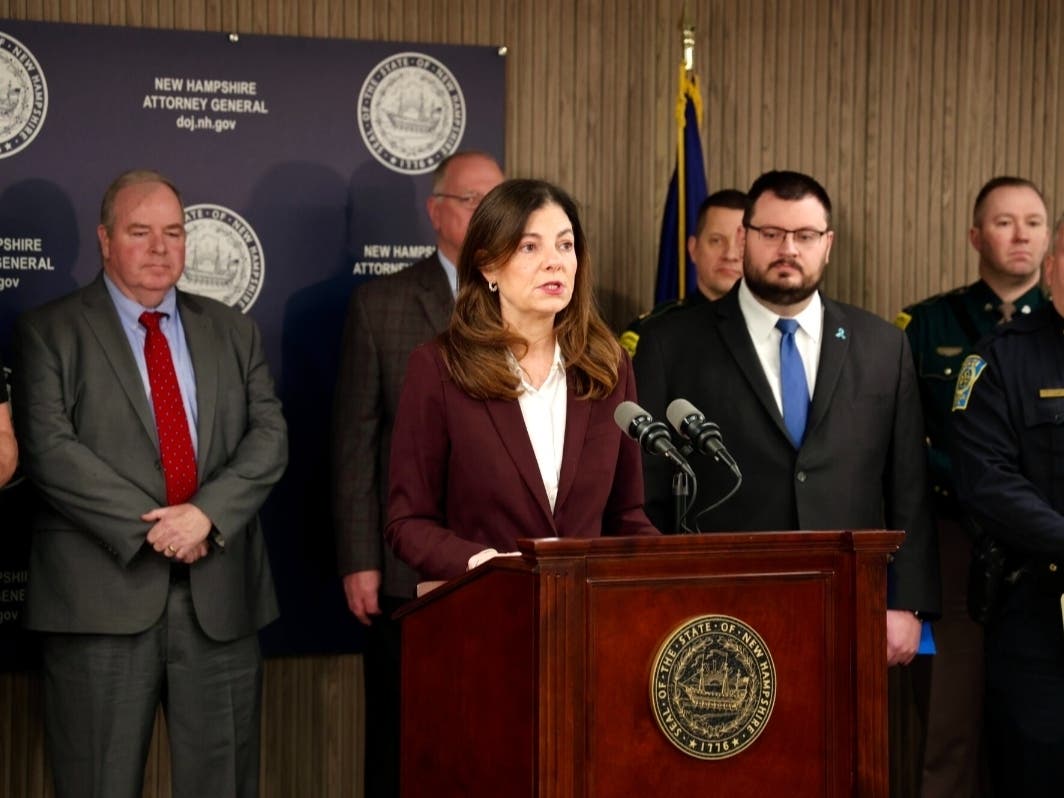
One year to the day after signing the state’s bail reform law, Gov. Kelly Ayotte invited police, prosecutors, and other members of law enforcement to join her at a press briefing to tout the progress she believes the state has made in keeping repeat offenders off the streets.
Ayotte said the 2017 attempt at bail reform “created a revolving door of criminals on our streets. People came together, from law enforcement and from our legislature, to make sure we changed the law.”
Find out what's happening in Across New Hampshirefor free with the latest updates from Patch.
Now the question is whether Republicans in the House will come together to pass her next law enforcement reform measure, increasing penalties for suspected drunk drivers who refuse a blood alcohol content test.
“We have one of the highest refusal rates in the nation,” Ayotte said in response to a question. “Once again, the legislators who are here, we worked really well together (on bail reform). The evidence is very clear on this: we should do the right thing to protect people on our roads from intoxicated drivers.”
Find out what's happening in Across New Hampshirefor free with the latest updates from Patch.
Although the bail reform law was signed a year ago, it has been in effect for only six months. Attorney General John Formella acknowledged there was not enough time to gather reliable data on the impact of the new policies, but he believes they are working.
“Pretrial detentions are up, more offenders are being held. I think it’s too early to say that we have data that shows any change in the overall crime rate in New Hampshire,” Formella said. “But it’s not just about lowering the crime rate. It’s about protecting people after crimes have occurred, and that’s what we’re doing now.”
Among the data cited Tuesday: Pretrial detentions in Coos County have increased 50 percent, and Merrimack County has seen a nearly 30 percent increase in its House of Corrections population.
In Nashua, Police Chief Kevin Rourke said, “Repeat offenders who commit new crimes while out on bail are now more consistently held, helping break the long-standing ‘catch-and-release’ cycle and improving victim safety.”
Rourke added that the new law has impacted “several domestic violence cases. The new law holds everybody accountable: law enforcement and the judges. It’s been great so far.”
Progressive groups like the ACLU of New Hampshire still oppose the bail reform fix. When it was passed, ACLU-NH Executive Director Devon Chaffee said the legislation “is anti-liberty, anti-due process, and will result in thousands of non-dangerous Granite Staters being jailed, all at high taxpayer expense and despite being presumed innocent in the eyes of the law.”
Nearly every state House Democrat voted against it, a fact House Republicans were quick to note Tuesday.
“Democrats did all they could to stop our successful bail reform package,” state Rep. Steven Kesselring (R-Manchester) said in a statement. “From trying to tack on last-minute amendments to water it down, to outright trying to prevent a vote on the bill, to killing the bill outright, Democrats proved that they do not care about the safety of our state. Republicans got the job done in spite of Democrat obstruction.”
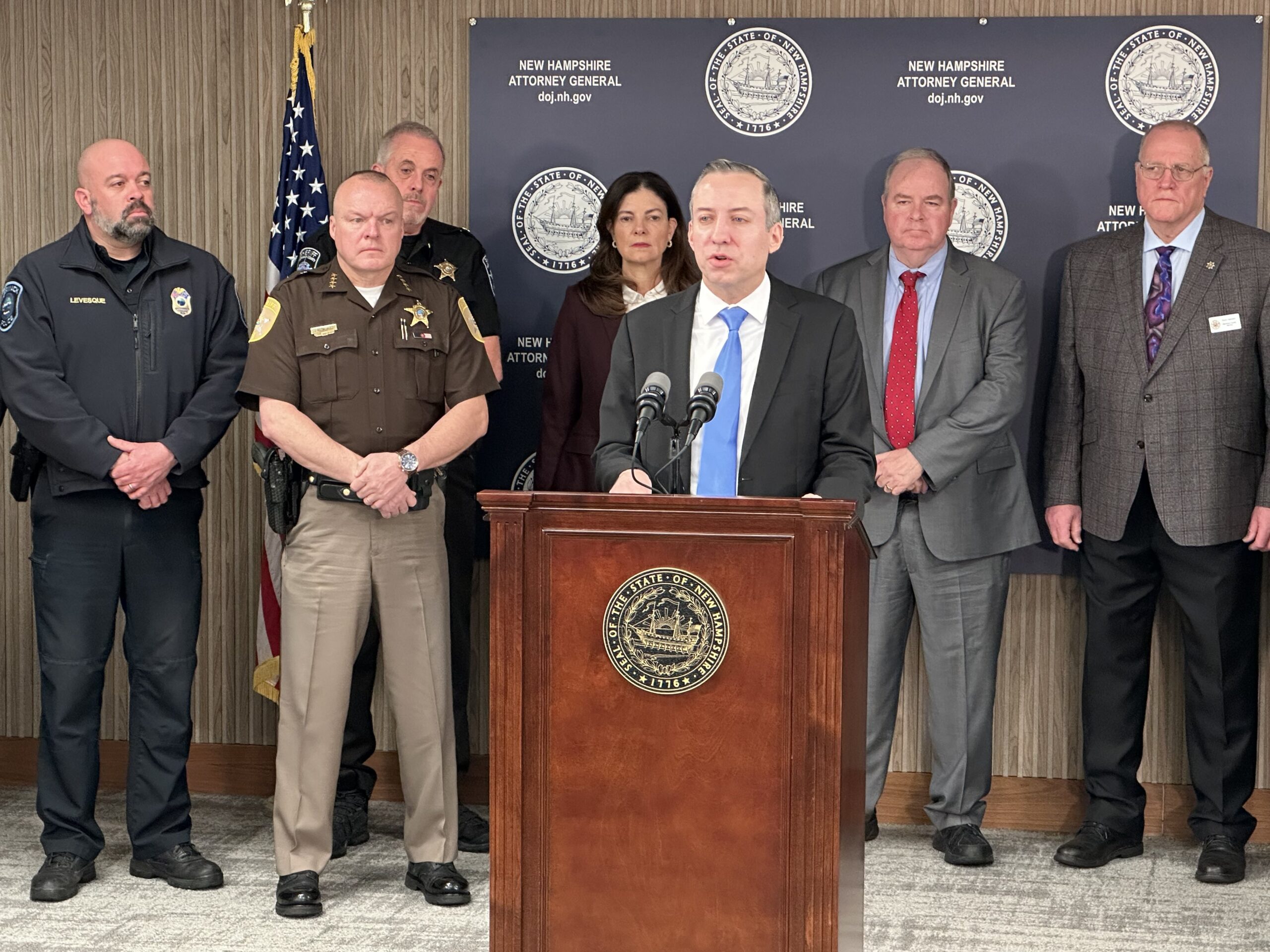 Attorney General John Formella at a press conference on the first anniversary of the state’s bail reform law, April 7, 2026.
At the press conference, Formella was asked if the new law would have made a difference in the tragic case of 25-year-old Marisol Fuentes, whose death helped spur action on this legislation. On July 6, 2025, Fuentes was working behind the bar at a restaurant in Berlin when her estranged husband, Michael Gleason Jr., entered and shot her three times before turning the gun on himself.
At the time of the murder, Gleason was out on $5,000 cash bail despite a history of violence.
“I can never guarantee what a judge or magistrate’s decision would have been,” Formella said. “But having listened to those proceedings, I do believe that had the standard been probable cause to determine dangerousness and not clear and convincing evidence, I think that Michael Gleason would have been held, and I don’t think Marisol would have been killed.”
And what about the DWI reform Ayotte is pushing? Last month, she gathered many of these same members of law enforcement to urge legislators — GOP House members in particular — to raise the punishment for drivers who refuse to take a blood alcohol content test when stopped by police on suspicion of driving while intoxicated.
The message from the House is mixed at best, so Ayotte made her pitch again on Tuesday.
“I appreciate the House and the Senate did the right thing on this (bail reform) bill, and I would hope they would do the right thing when it comes to making sure that … we aren’t creating a situation where there’s an incentive to refuse a (blood alcohol content) test, and that’s what we have now.”
“We have one of the highest refusal rates in the nation. So again, the legislators who are here, we worked really well together. The evidence is very clear on this, that we should do the right thing to protect people on our roads from intoxicated drivers.”
This story was originally published by the NH Journal, an online news publication dedicated to providing fair, unbiased reporting on, and analysis of, political news of interest to New Hampshire. For more stories from the NH Journal, visit NHJournal.com.