Long Valley, NJ|Local Classified|Announcement|
Washington Township Green Team supports International Bat Week
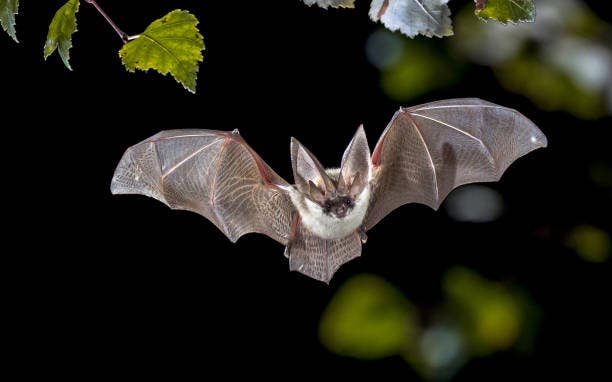
Bat Week is an international, annual celebration designed to raise awareness about the need for bat conservation. Bats are amazing creatures that are vital to the health of our natural world and economy. Although we may not always see them, bats are hard at work all around the world each night - eating tons of insects, pollinating flowers, and spreading seeds that grow new plants and trees.
Why Bats Matter
Humans need bats. Worldwide, there are more than 1,400 species of bats—that’s almost 20 percent of all mammal species. Bats live almost everywhere on Earth except the most extreme desert and polar regions. So, no matter where you live, it is almost certain that there are bats living near you. Bats are amazing animals that are vital to the health of our environment and economy. Most bats in North America eat insects, including moths, beetles, aquatic insects, and flies. A single bat can eat up to its body weight in insects each night. Eating all these insects helps protect our food crops and forests from insect pests, saving farmers and forest managers billions of dollars each year.
Consider these fascinating bat facts:
- Bats come in all shapes and sizes, from the tiny, adorable bumblebee bat that weighs less than a penny to the big, beautiful flying foxes that can have a wingspan of up to six feet.
- Bats are the only mammal that can truly fly (although some other mammals “glide”). A bat’s wing is actually a modified hand—similar to yours.
- Contrary to popular belief, bats actually have good eyesight (similar to that of humans), but for most species, their main technique for navigating or locating prey is using echolocation (not all species echolocate!): emitting very high- pitched sounds that bounce off obstacles in their path, like trees, other bats, buildings, and food. main target—delicious insects. Not all bats that echolocate are insectivores!
- Bats eat lots of different things. Although almost 70% of bat species feed primarily on insects, some bats are carnivorous, eating meat like rodents, frogs, and fish. Only three species of bats feed on animal blood, with two of these species specializing on bird blood. Many other bats eat pollen, nectar or fruit—these bats are vital for pollinating flowers and spreading seeds that grow new plants and trees.
Bats are Endangered:
Bats are facing threats from climate change, habitat loss, declining insect populations, collisions with wind turbines, and white-nose syndrome, a deadly fungal infection. Experts estimate that 52 percent of the 145 species of bats in North America need conservation action to avoid severe population declines over the next 15 years.
The fungus that causes white-nose syndrome is aptly named Pseudogymnoascus destructans. It first appeared in the U.S. in 2006, in New York State, and is now in most U.S. states and Canadian provinces. Bats in North America used to survive winter by hibernating until their insect prey re-emerged in the spring. But this fungus loves the same cold, damp conditions that hibernating bats like, which means bats often become infected and die from the disease before spring arrives. This fungus has caused populations of some species to plummet by 90 percent, raising the specter of their extinction.
In response to this threat, the National Park Service has teamed up with over 150 partner agencies and organizations nationally to combat white-nose syndrome and conserve bats. Scientific research and stewardship in parks across the country help protect bat habitat, monitor populations, prevent disease spread, and educate visitors on how they can help save these fascinating creatures.