Community Corner
When Depression or Anxiety Changes a Marriage in Morristown
When depression or anxiety affects daily life, spouses can help recognize changes and explore appropriate support.

This is a paid post contributed by a Patch Community Partner. The views expressed in this post are the author's own, and the information presented has not been verified by Patch.
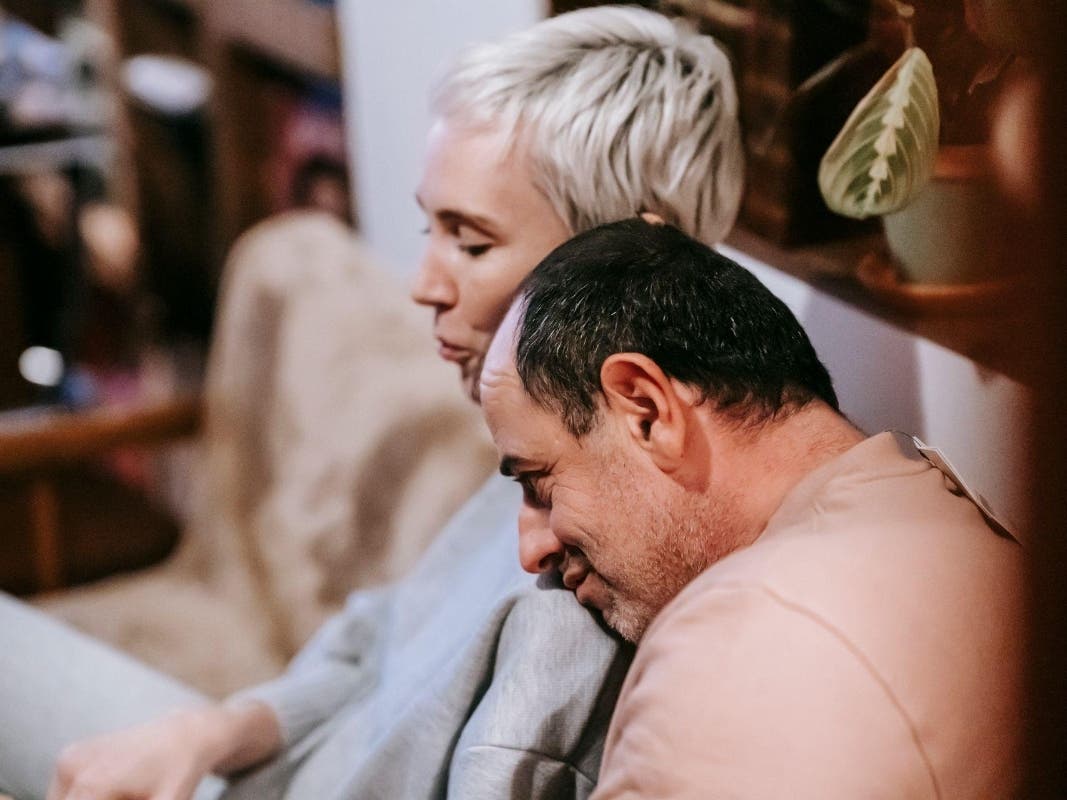
There is often no single moment when a spouse realizes something has changed. It happens slowly. The laughter becomes quieter, weekends become smaller, conversations get shorter, and sleep becomes harder. The person who once seemed eager to make plans may begin turning them down without much explanation.
For the spouse watching those changes, the uncertainty can be difficult. Is it stress, burnout, depression, anxiety, or simply a difficult season? Families in Morristown don't need to diagnose the problem themselves. They can notice what has changed, create room for an honest conversation, and help a loved one consider whether additional support could make daily life more manageable.
Somewhere Along the Way, the Person Who Used to Laugh First Now Sits in Silence
Depression and anxiety don't always announce themselves dramatically. Sometimes the signs are quieter. A person may stop enjoying things that once mattered, withdraw from friends, become overwhelmed by ordinary decisions, sleep too much or too little, or seem physically present but emotionally distant.
CDC PLACES data estimates that approximately 15.2% of adults in Morris County have been told by a health professional that they have a depressive disorder. For families, that county-level estimate provides context, but an individual person’s experience still needs to be understood on its own terms.
Morristown Has Made Mental Health Part of the Community Conversation
Morristown is part of the Morris County Stigma-Free Communities Initiative, a countywide effort to reduce the stigma associated with mental illness and make it easier for residents to recognize when support may be needed.
For a spouse, that community goal becomes personal. Depression and anxiety can affect sleep, decision-making, communication, work and the ability to participate in family life. Recognizing those changes doesn't require diagnosing a partner. It can create room for a more honest conversation about whether professional support would help.
What Families May Notice About Depression and Anxiety
Spouses and partners are often among the first people to recognize these changes because they see the ordinary parts of life that others may miss. Common changes can include:
- Loss of interest in previously enjoyable activities
- Pulling away from friends or family
- Difficulty with ordinary decisions or responsibilities
- Changes in sleep and daily routines
- Becoming withdrawn, overwhelmed or emotionally distant
When those changes continue or begin interfering with work, sleep, relationships, or daily responsibilities, families may start comparing depression treatment and anxiety treatment options. That can include weekly outpatient therapy, psychiatry and medication management, or a structured outpatient mental health program when ordinary weekly appointments are no longer providing enough support.
When Symptoms Begin Reshaping Daily Life
Everyone has difficult weeks. Work pressure, family responsibilities, financial concerns, relationship problems, and major life changes can affect sleep, mood, and energy. The concern grows when those difficulties stop feeling temporary. A person who once enjoyed getting out of the house may struggle to leave the couch, while anxiety can make ordinary decisions feel exhausting and depression can make routine responsibilities feel almost impossible.
That’s when families begin asking a different question: Is this more than stress? A diagnosis should come from a qualified professional, but recognizing that symptoms are interfering with daily life can help a family move toward appropriate support.
Mental health treatment can involve different levels of care depending on symptoms, safety, functioning, treatment history, and the amount of support a person needs. Weekly outpatient therapy may remain appropriate when symptoms are manageable and the person continues functioning independently. More frequent treatment may be considered when depression or anxiety repeatedly disrupts work, sleep, relationships, or basic responsibilities.
Families looking for mental health treatment in Morristown, NJ may find that the most useful question isn't simply which diagnosis applies. It’s whether outpatient therapy, psychiatric care, an Intensive Outpatient Program, or a Partial Hospitalization Program provides the appropriate amount of structure.
The Question That Keeps Spouses Up at Night
How does someone tell a partner that help may be needed without making the person feel judged or controlled? There is no perfect sentence. A conversation can begin with something much simpler than a diagnosis: “I miss you.” “You don’t seem like yourself lately.” “I am worried about how much you have been carrying.” “How are you really doing?” Those statements leave room for a response.
Make Room for a More Honest Conversation
Listening can be more useful than immediately offering solutions. Supporting a partner with depression or anxiety can mean:
- Asking questions without demanding immediate answers
- Listening without trying to solve everything
- Helping with practical responsibilities when appropriate
- Encouraging professional support when symptoms continue
- Maintaining healthy boundaries within the relationship
Support doesn't require one person to become the other person's therapist, crisis manager, or sole source of stability. The goal is to remain present while recognizing when professional support may be appropriate.
The Middle Ground Between Weekly Therapy and Hospital Care
Many families assume mental health care offers only two choices, weekly therapy or psychiatric hospitalization. Structured outpatient mental health treatment provides additional options between those two levels.
An Intensive Outpatient Program (IOP) provides structured treatment several times during the week while allowing the person to continue living at home. A Partial Hospitalization Program (PHP) provides a more intensive daytime schedule without requiring 24-hour residential care. Traditional outpatient mental health treatment may fit when symptoms can be managed safely with fewer treatment hours.
The recommendation depends on symptoms, safety, functioning, treatment history and the person’s response to previous care. Program intensity should follow the clinical assessment rather than a family trying to select a level of care by itself.
Wellness Hills Mental Health Treatment in Chester provides outpatient mental health treatment, an Intensive Outpatient Program, and a Partial Hospitalization Program for adults. Psychiatric evaluations and medication management are also available when clinically indicated. Its clinical team develops individualized recommendations for adults experiencing conditions such as depression, anxiety, trauma-related symptoms, bipolar disorder, OCD, and other mental health concerns.
A person doesn't need to determine the appropriate program before calling. The assessment process is designed to clarify symptoms, current functioning, previous treatment, safety considerations, and whether a structured level of care may be appropriate.
What Actually Happens When a Family Finally Makes the Call
A treatment inquiry and a mental health crisis require different responses. Morristown residents experiencing a mental health crisis can call or text 988 for immediate, confidential support. If someone is in immediate danger or has already been injured, call 911.
For someone who isn't in immediate danger but whose depression or anxiety is interfering with daily functioning, a clinical assessment can help clarify whether outpatient therapy, an Intensive Outpatient Program, a Partial Hospitalization Program or another recommendation may be appropriate.
What the First Conversation Can Clarify
A clinical assessment can help determine whether outpatient therapy, an Intensive Outpatient Program, a Partial Hospitalization Program, or another level of care makes sense. Families may also use the conversation to better understand:
- What level of support may be appropriate
- Whether symptoms are interfering with daily functioning
- Which treatment options are available
- Whether outpatient therapy, IOP or PHP may fit
- How insurance may apply
- What the next steps could look like
For a spouse who has spent months wondering whether something needs to change, having a clearer understanding of the available options can be meaningful. The first conversation isn't necessarily a final decision. It can simply provide information, clarify what is happening, and help a family understand what support may be appropriate.
How Morristown Residents Can Make Structured Treatment Work
Treatment schedules have to work within ordinary life. Morristown Station serves the Morris & Essex rail line, and many local residents organize weekdays around commuting, employment and family responsibilities. Those obligations can affect whether weekly outpatient therapy, an Intensive Outpatient Program or a Partial Hospitalization Program remains practical.
Wellness Hills Mental Health Treatment is located at 425 Main Street in Chester, approximately 20 to 25 minutes from Morristown Green under ordinary traffic conditions. That proximity may matter when a structured outpatient program involves treatment several days during the week.
Morristown residents can review directions from Morristown to Wellness Hills in Chester before discussing scheduling, transportation and program requirements with the admissions team.
The appropriate level of care still depends on clinical need. Transportation and work schedules don't determine the recommendation, but they can affect whether a person can participate consistently once a program has been recommended.
Taking the Next Step
The first call doesn't require a commitment to treatment. An admissions representative can explain the available mental health programs, discuss scheduling, gather preliminary information, and arrange a clinical assessment when appropriate.
Morristown families can call Wellness Hills Mental Health Treatment at 973-532-5139 to ask about outpatient mental health treatment, the Intensive Outpatient Program, the Partial Hospitalization Program, psychiatry services, medication management, and expected next steps. Families can also verify their insurance coverage before deciding whether to proceed.
For a spouse who has spent months wondering whether something needs to change, getting clear information can be a meaningful place to begin.
This post is an advertorial piece contributed by a Patch Community Partner, a local brand partner. To learn more, click here.